
Navigating the Aftermath: Your Rights After a Vehicle Accident
A vehicle accident transforms everything within a single instant.

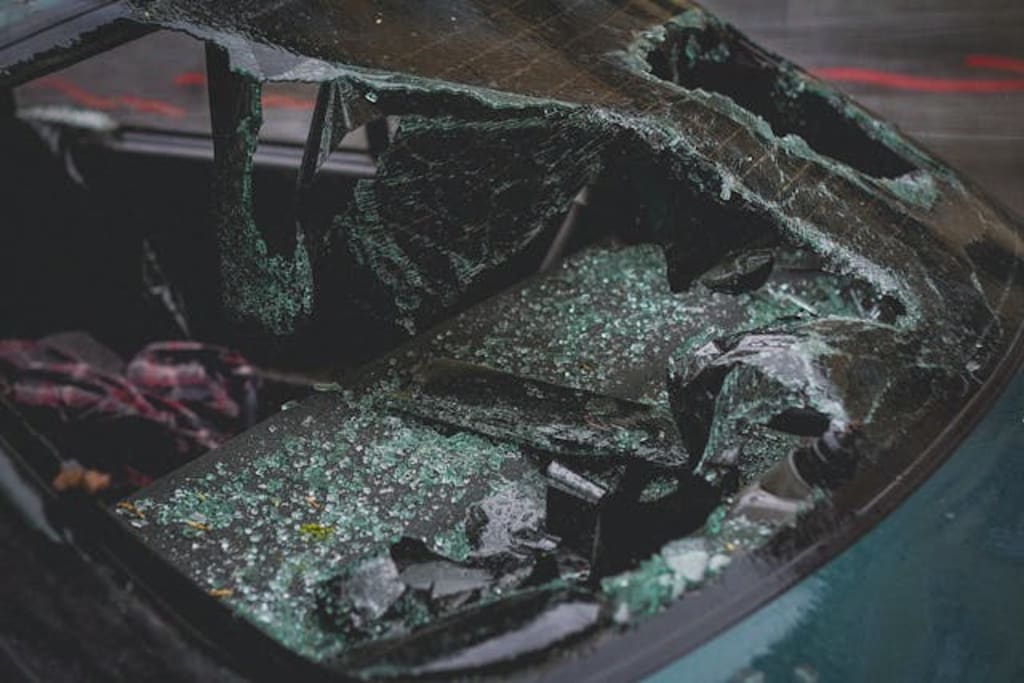
A vehicle accident transforms everything within a single instant. The road appears normal during that instant. The following instant brings flashing lights and broken glass together with uncertainty. The aftermath is often overwhelming. The knowledge of what actions to take following an incident can produce meaningful results.
Understanding Immediate Steps
Safety becomes the primary concern immediately following a crash incident. Safety comes first, so check on your passengers and other drivers if your injuries permit it. The first step should be to dial emergency services. All traffic incidents need to be reported to law enforcement authorities regardless of their severity. Official documentation through a police report becomes essential for future needs.
Seeking medical help should not be postponed. Certain injuries manifest only after some time has passed. A doctor's evaluation creates medical records that can strengthen a claim if needed. The collection of photographic evidence that includes documenting scene conditions, vehicle damages, and visible injuries proves beneficial for evidence purposes.
The Role of Insurance Companies
Insurance companies become involved quickly. They will ask for details and assess damages. It is important to be cautious when providing statements. Anything said to an insurance representative can affect a claim. Being factual but avoiding unnecessary details is a wise approach.
Insurance adjusters aim to settle claims for as little as possible. They may offer compensation quickly, but that does not mean it is fair. Evaluating medical bills, repair costs, and lost wages before accepting an offer ensures that no expenses are left uncovered.
Understanding Liability and Fault
Determining fault is not always simple. In some cases, one driver is clearly responsible. In others, liability is shared. Police reports, witness statements, and traffic laws play a role in deciding responsibility.
Some states follow comparative fault rules. This means a driver may still recover damages even if partially at fault. However, the compensation may be reduced based on the percentage of responsibility. Knowing these details can prevent unfair blame and ensure proper compensation.
Legal Options and Representation
Not every accident requires legal assistance. However, when injuries, disputes, or unfair settlements arise, professional guidance becomes crucial. A legal expert can review evidence, handle negotiations, and ensure that rights are protected.
If you reside in the area, then a California car accident lawyer may be beneficial. An attorney with local knowledge understands state laws and insurance policies. This expertise can provide an advantage in securing fair compensation.
Compensation for Damages
After an accident, compensation can cover various losses. Medical expenses, vehicle repairs, lost wages, and even emotional distress may be included. The extent of coverage depends on insurance policies and liability determinations.
Pain and suffering can also be considered in some cases. These damages are harder to quantify but remain important. Legal professionals can help estimate fair amounts based on similar cases.
Handling Disputes and Denied Claims
Insurance companies do not always approve claims easily; Delays, denials, or lower-than-expected offers can occur. When this happens, persistence is key. Reviewing policy details, collecting additional evidence, and challenging unfair decisions can lead to better outcomes.
Sometimes, insurers argue that injuries were pre-existing or unrelated. Medical records can clarify this issue. Witness statements and accident reports may also support the claim. If negotiations fail, legal action may be the next step.
The Importance of Deadlines
Accident claims are subject to deadlines. Each state has a statute of limitations, meaning victims have a limited time to file a claim. Waiting too long can result in lost rights to compensation. Reporting accidents to insurers also has time restrictions. Policies often require prompt notification. Missing deadlines can lead to denied claims, even if the accident was not the victim’s fault. Additionally, the longer victims wait, the harder it may be to gather evidence and witness testimony, which can weaken their case. It’s essential to act quickly to ensure that all necessary documentation is submitted in a timely manner.
Conclusion
The impact of an accident does not end once vehicles are repaired. Emotional and physical recovery takes time. Some injuries require ongoing treatment. Anxiety or stress from the incident may linger. Seeking medical care and support is an important part of moving forward.
Understanding rights and available options allows accident victims to focus on healing. Whether handling claims independently or seeking professional help, the goal is to secure fair compensation and restore peace of mind.
About the Creator
Keep reading
More stories from Miranda Spears and writers in Wheel and other communities.
The Art of Automotive Customization: A Comprehensive Overview
A car is more than just a machine. It reflects one's personality, style, and performance preferences. Customizing turns a regular factory model into something distinctive so that owners may change appearance, boost performance, and increase utility. From elegant exterior changes to strong engine enhancements, the realm of vehicle personalizing offers endless possibilities. Whether the intention is for a high-performance machine or a show-stopping masterpiece, every change adds character and refinement, so reflecting the vision and passion of the owner.
By Miranda Spearsabout a year ago in Wheel



Comments
There are no comments for this story
Be the first to respond and start the conversation.