
Mini Excavators for Sale: How to Choose the Right One
This guide explores key factors homeowners and contractors should consider before purchasing a mini excavator for residential applications.
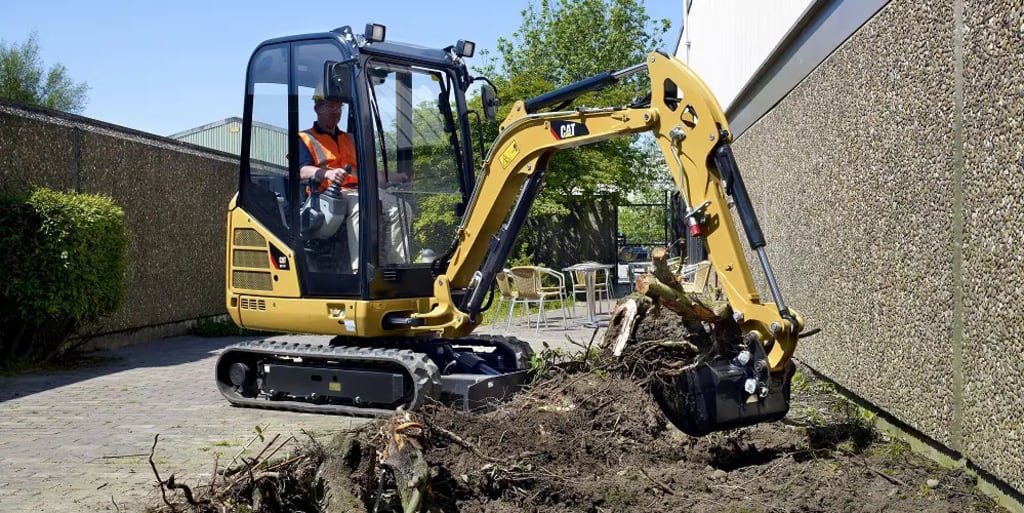
When tackling residential construction or landscaping projects, choosing the right equipment is crucial for efficiency and safety. One of the most versatile tools for such tasks is the mini excavator. A quick search for mini excavators for sale will reveal numerous options, but not all models are suitable for home use. From digging foundations to trenching for utilities or even small-scale demolitions, a mini excavator can significantly reduce labor time. However, selecting the wrong model can lead to project delays, safety issues, or unnecessary expenses. This guide explores key factors homeowners and contractors should consider before purchasing a mini excavator for residential applications.
Size and Access Requirements
Residential properties often present unique challenges, especially when it comes to access and available space. Choosing the right size mini excavator is essential to navigate tight areas without damaging landscaping or structures.
- Width and Height Clearance: Many homes have narrow access paths, garden gates, or low-clearance carports. Mini excavators with retractable undercarriages or compact frames can squeeze through spaces as narrow as 36 inches, allowing them to reach backyards and tight work zones with ease.
- Turning Radius: A zero-tail swing or minimal-tail swing excavator allows the machine to rotate its upper body without extending beyond the track width. This minimizes the risk of hitting fences, walls, or other obstacles in small yards while enhancing productivity in confined spaces.
- Weight Limits for Surfaces: Heavier excavators may damage driveways, patios, or grass, especially in wet conditions. Lightweight models distribute weight more evenly and reduce surface pressure, making them better suited for operating on delicate landscaping.
Power Vs. Practicality
While it might be tempting to opt for the most powerful machine available, residential projects often demand a balance between performance and practicality. Understanding what level of power is truly necessary helps avoid over-investment.
- Trenching and Digging Depth: Most residential jobs—like utility trenching or planting trees—require a digging depth of 5 to 10 feet. A 1.5–3 ton mini excavator can easily handle such depths without the extra fuel costs or maneuverability challenges of larger models.
- Lift and Breakout Force: For tasks such as lifting retaining wall blocks or uprooting tree stumps, sufficient hydraulic power is key. While smaller excavators might struggle with heavier lifting, mid-range models offer a good compromise between lifting capacity and compact size.
- Fuel Efficiency: More powerful excavators typically consume more fuel, which adds to operating costs over time. Smaller, more efficient machines are ideal for homeowners or small contractors working on shorter or less intensive projects.
Attachments and Versatility
One of the greatest advantages of mini excavators is their ability to support a range of attachments. This versatility turns a single machine into a multi-functional tool, reducing the need for additional equipment.
- Buckets (Standard, Grading, and Trenching): Standard buckets are great for general digging while trenching buckets create narrow, deep cuts perfect for utility work. Grading buckets have a wider, smoother edge that is ideal for leveling soil or gravel with precision.
- Augers: Auger attachments are essential for drilling holes for fence posts, decks, or planting large trees. They save time compared to manual digging and provide consistent hole depth and width, which is critical for structural integrity.
- Thumbs and Grapples: Hydraulic thumbs and grapples allow the excavator to pick up and move logs, debris, or bulky materials with control. This feature is especially useful for site cleanup or small-scale demolition, reducing the need for manual labor.
- Hydraulic Hammers: For light demolition tasks like breaking concrete patios or old retaining walls, hydraulic hammers provide precise impact power. They eliminate the need for jackhammers or larger demolition equipment, saving space and effort on residential job sites.
Ease of Use for Beginners
Many residential buyers are not professional operators. Ease of use becomes a top priority to ensure the equipment is safe and practical for first-timers or infrequent users.
- Intuitive Controls: Modern mini excavators often come with joystick-style controls that are easy to learn and operate. Some even allow the user to switch between ISO and SAE control patterns based on personal preference, reducing the learning curve.
- Operator Comfort: A comfortable operator station with a padded seat, good visibility, and ergonomic controls reduces fatigue over long work periods. Machines with enclosed cabs may also offer climate control, increasing comfort in extreme weather.
- Safety Features: Look for models with automatic engine shutdowns, ROPS (Roll Over Protection Systems), and lockout levers to prevent accidental movement. These built-in features help protect beginner operators and maintain a safer job site environment.
Transportability
Unlike large construction sites, residential projects often require moving equipment between locations or storing it when not in use. Transportability is a crucial consideration for both safety and logistics.
- Weight and Trailer Compatibility: Mini excavators weighing under 10,000 pounds can typically be hauled using a standard double-axle trailer. This eliminates the need for commercial transport services and allows small contractors or homeowners to tow the equipment with a capable pickup truck.
- Tie-Down Points and Loading Ramps: Built-in tie-down points make it easier and safer to secure the excavator during transport. Pairing these machines with reliable loading ramps ensures safe loading and unloading without risk of tipping or damage.
- Towing Requirements: It’s important to match the excavator's weight with the tow vehicle’s rated towing capacity. Exceeding this limit can damage the vehicle or lead to dangerous towing conditions, so buyers should plan accordingly.
Conclusion
With so many mini excavators for sale, selecting the right one for residential projects requires a thoughtful evaluation of site conditions, intended tasks, and user experience. From navigating tight access points to balancing power with fuel efficiency, homeowners and small contractors must align their equipment choices with real-world project demands. Multi-functionality through attachments, ease of use for beginners, and transport logistics also play key roles in the buying decision. By understanding these critical factors, buyers can invest confidently in a machine that delivers performance, flexibility, and long-term value, making even the most complex home projects more manageable and efficient.
About the Creator
Keep reading
More stories from Marie Hines and writers in Wheel and other communities.
Why Do People Rent Sprinter Vans?
In this fast-paced, modern society in which we live, convenience, comfort, and fashion are important, especially when travelling. For events, business or pleasure, many people are turning to Sprinter van rental for their transportation needs. What is the reason?
By Marie Hines8 months ago in Wheel
Car Rental in Dubai for Tourists vs Residents: Key Differences
Both can legally rent cars, but the documentation required, insurance, rental costs, deposit requirements and legal obligations are very similar. Tourists often rent short term with more deposits and less insurance flexibility, while residents are at a lower rate, monthly rent, and better insurance. Understanding these differences can save you hidden charges, fines and coverage gaps.
By Sarath Menon4 days ago in Wheel




Comments (2)
Great
You've got some solid points here. I've used mini excavators on a few home projects. Size is super important. I once had to get a narrow one through a tight side yard. And power? Well, too much can be overkill. What do you think is the biggest mistake people make when choosing a mini excavator for residential work? Also, how do you figure out the right balance between power and practicality?