
Keeping Your Engine Happy: Learn How to Change Your Vehicle Oil for Optimal Performance
Learn How to Change Your Vehicle Oil
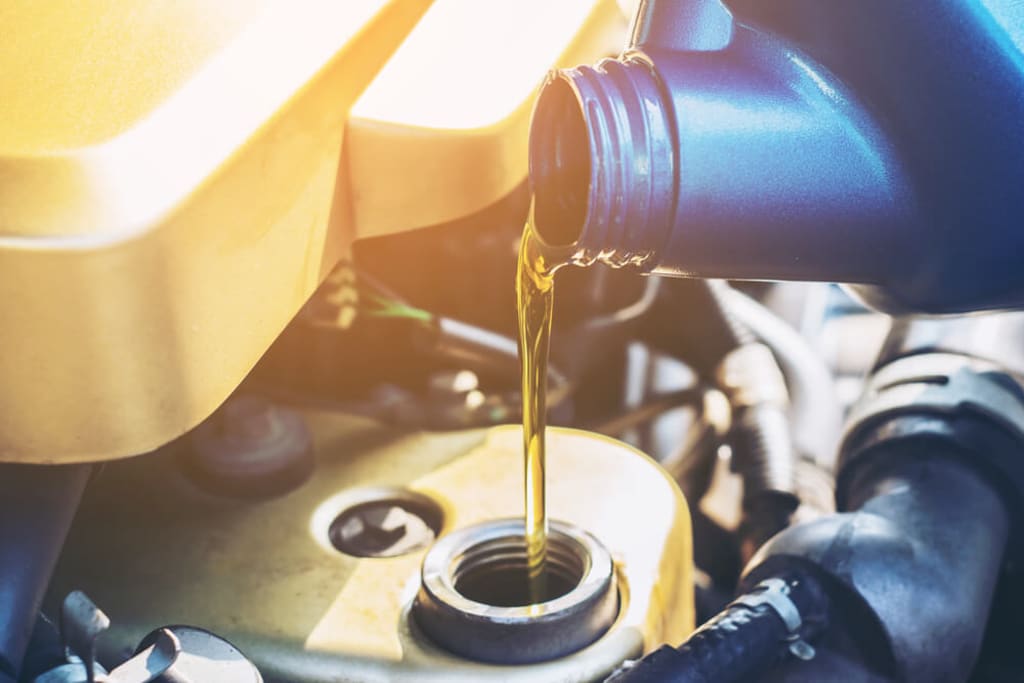
Regularly changing your vehicle's oil is essential for maintaining optimal engine performance and extending the life of your car. As a responsible car owner in Perth, understanding the importance of this simple yet crucial maintenance task can significantly affect your vehicle's longevity and overall performance. This comprehensive guide will walk you through the step-by-step process of changing your vehicle oil like a pro. Additionally, we'll highlight the benefits of proper oil change practices and why you should seek assistance from reputable car wreckers in Perth for oil disposal and recycling.
Why Changing Your Vehicle Oil Matters
Engine oil plays a critical role in lubricating the moving parts of your vehicle's engine, preventing friction and reducing wear and tear. Over time, oil breaks down, losing its lubricating properties and becoming contaminated with dirt, debris, and engine by-products. If left unchanged, degraded oil can lead to increased friction, decreased engine efficiency, and potentially costly damage to vital components.
By following a regular oil change schedule, you not only keep your engine running smoothly but also contribute to improved fuel efficiency and reduced emissions. Fresh, clean oil helps maintain proper engine temperature, preventing overheating and unnecessary strain on the engine. It also helps remove harmful deposits and contaminants from the engine, ensuring a cleaner and more efficient combustion process.
Step-by-Step Guide to Changing Your Vehicle Oil
Follow this step-by-step guide to change your vehicle oil like a pro. Gather the necessary tools, locate the oil drain plug, drain the old oil into a pan, replace the oil filter, add fresh oil, check the oil level, and dispose of the old oil responsibly. By following these simple steps, you can maintain your engine's health and ensure optimal performance for your vehicle.
Gather the Necessary Tools and Materials
Before you begin, ensure you have all the required tools and materials. You will need a socket wrench or a box-end wrench, a new oil filter, a drain pan, an oil filter wrench, and the appropriate type and amount of fresh engine oil recommended by your vehicle manufacturer.
Prepare Your Vehicle
Park your car on a level surface and turn off the engine. Engage the parking brake for added safety. If your machine has been running, allow it to cool for a few minutes to avoid potential burns from hot oil.
Locate the Oil Drain Plug
Consult your vehicle's owner's manual to locate the oil drain plug. Typically, it is situated on the bottom of the engine oil pan. Once found, place the drain pan under the oil drain plug.

Drain the Old Oil
Using the appropriate wrench, carefully loosen and remove the oil drain plug. Allow the old oil to drain fully into the pan. Be mindful of the oil's temperature, as it can still be hot even after a few minutes of cooling.
Replace the Oil Filter
While the old oil drains, locate the oil filter, usually near the oil drain plug. Use the oil filter wrench to remove the old oil filter. Before installing the new filter, lubricate the rubber gasket on the top of the new filter with a bit of fresh oil. Hand-tighten the new oil filter into place.
Add Fresh Oil
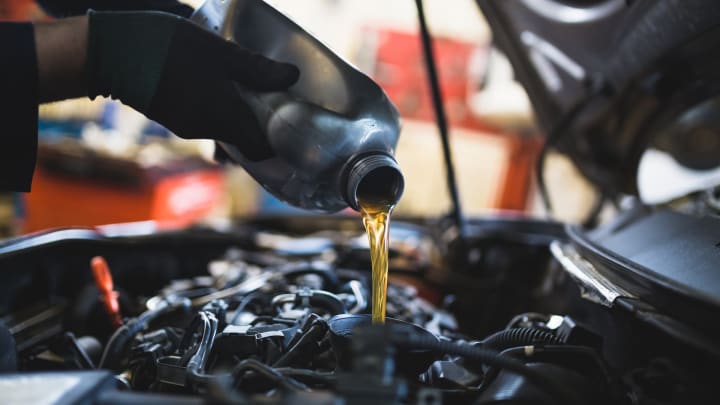
You can add fresh oil after ensuring the oil drain plug is securely back in place. Refer to your vehicle's owner's manual for the recommended oil type and capacity. Use a funnel to avoid spills, and pour the new oil into the engine.
Check the Oil Level
Once you've added the appropriate amount of new oil, wait a few minutes for the oil to settle, then use the dipstick to check the oil level. The oil level should be within the recommended range on the dipstick.
Dispose of the Old Oil Responsibly
Now that you've successfully changed your vehicle's oil, it's crucial to dispose of the old oil and filter properly. Avoid dumping used oil down the drain, as it can contaminate water sources. Instead, seek assistance from reputable car wreckers in Perth, who often provide oil recycling services, ensuring the environmentally responsible disposal of used oil.
In conclusion, learning how to change your vehicle oil is essential for maintaining your engine's health and ensuring optimal performance. Regular oil changes keep your engine lubricated, protect it from damage, and contribute to fuel efficiency and reduced emissions. Following this step-by-step guide, you can confidently perform oil changes on your own, promoting your vehicle's longevity and positively impacting the environment.
When responsibly disposing of your used oil and filters, partnering with reputable car wreckers in Perth is wise. They adhere to strict environmental guidelines, ensuring that used oil is recycled correctly, minimizing its environmental impact. By practising eco-friendly oil change habits and collaborating with reliable car wreckers, you actively contribute to Perth's greener and more sustainable automotive industry.
About the Creator
Keep reading
More stories from writers in Wheel and other communities.
Common Mercedes Repair Issues Drivers Experience As Their Vehicle Ages
Mercedes-Benz is a constant competitor when it comes to discussing the best luxury brands. By combining high-end materials and superior craftsmanship, Mercedes models continue to be highly desirable even as they age. Buying an older Mercedes has become the go-to option for drivers looking for luxury on a more reasonable budget. Whether you’re looking at buying an older Merc, or just can't seem to part ways with your aging Bavarian, these are some of the common Mercedes repair tasks to be aware of.
By Foreign Affiars Motorsport3 days ago in Wheel
Why Didn't Anyone Tell Us
Men, move along. This is not for you. This is for the women. I was forty-five when I began menopause. It is pretty young for that to be going on in a woman’s life, but I had undiagnosed PCOS, my entire life. Thank you to all the gynecologists I had seen my entire life. That in itself should encourage women to keep seeking second opinions, especially when you are not getting correct answers or any at all.
By Alexandra Grant2 days ago in Humans



Comments
There are no comments for this story
Be the first to respond and start the conversation.