
Is Plus-Sizing the Wheels and Tires a Good Option for Pickup Trucks?
What You Need to Know About Bigger Tires and Wheels
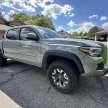
Many owners perceive their pickup trucks as workhorses. With the truck's versatility, they can do tough jobs during the weekdays and enjoy adventures on the weekend. Furthermore, they can add some upgrades and mods to their rig, as there's a wide variety of selections for pickup trucks. Changing the size of wheels and tires is a popular way to personalize the vehicle and potentially enhance its performance.
Changing the size of the truck wheels and tires is commonly known as plus-sizing. This mod gained significant attention from many truck owners due to its potential to improve the vehicle's aesthetics and performance. However, like any other mod, it has its pros and cons, which can affect various factors regarding your truck.
How Wheels and Tires Improve Performance
Wheels and tires are the foundation of your truck's performance. They are the point of contact with the road, so the right type for your driving style and terrain is vital. The proper combination can impact several aspects of your driving experience:
Handling and Stability
Larger diameter wheels with wider tires give a wider contact patch with the road. Think of the wheels and tires like a wider footprint that translates to better grip during cornering and overall stability. They are beneficial in hauling heavy loads or towing a trailer.
Braking Performance
The wheels and tires influence the braking performance of the truck. Larger tires increase the contact area with the road, which can enhance braking efficiency by providing more grip. However, balancing the tire size with the braking system is crucial in preventing any negative impact on stopping distances.
Off-Road Capability
For off-road enthusiasts, larger tires with aggressive treads provide increased ground clearance. The higher ground clearance allows your truck to tackle rocks, water, and uneven terrain without scraping the undercarriage. The wider treads repel sediments found off-road. They also provide superior traction, helping you drive on muddy, sandy, and other loose surfaces without hassle.
Fuel Efficiency
The size and weight of wheels and tires can affect your vehicle's fuel efficiency. Due to their heavier weight, tires may affect the truck's rolling resistance, resulting in reduced fuel economy. However, using tires designed specifically for low rolling resistance can help alleviate this issue, allowing drivers to enjoy the benefits of larger tires without hurting fuel efficiency.
Understanding Plus-Sizing
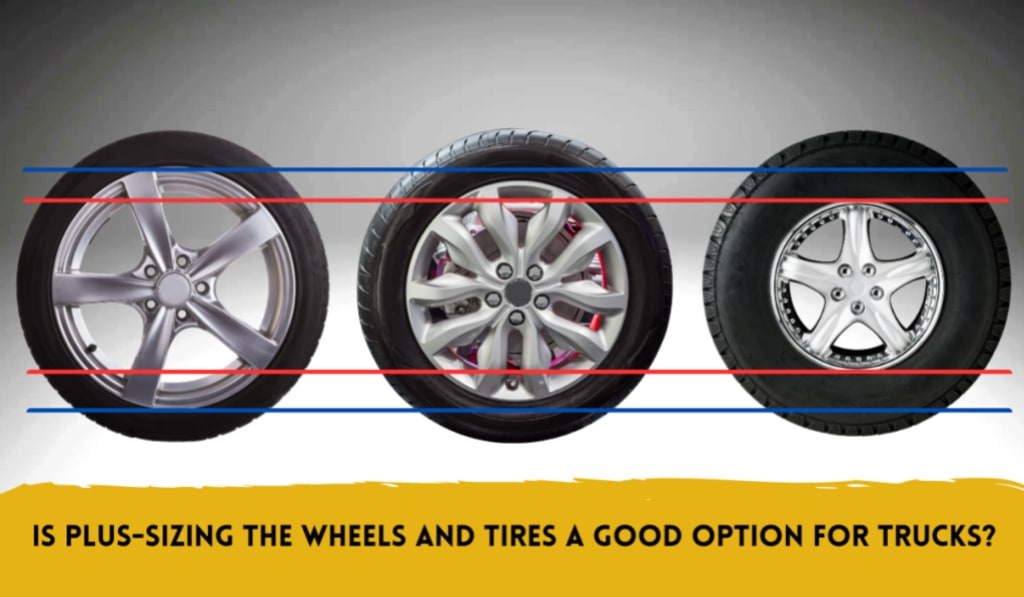
Plus-sizing refers to increasing the size of the wheels and tires from the manufacturer's original specifications. It involves replacing the factory wheels with a larger size while using lower-profile tires to maintain a similar overall diameter. There are different levels of plus-sizing, each increasing the wheel diameter by an inch.
Plus Zero
When the diameter remains the same and only the width of the wheels is increased, it is called Plus Zero. Aside from the increased section width, the aspect ratio is reduced, while keeping the wheel diameter. Replacing the tires can lower the tread profile but increase the contact area for quicker response and improved traction.
Plus One
As a general rule of thumb for plus one sizing, the section width is increased by 10 mm, while the aspect ratio is decreased by 10 mm. Also, it increases the rim diameter by 1 inch. It allows you to mount tires with a lower wheel aspect ratio of a larger diameter and increased section width. This setup maintains a similar overall diameter as the original tire. Moreover, this type of plus sizing ensures the handling and ride comfort of the vehicle are not significantly changed.
Plus Two
If your pickup truck has 17-inch factory rims, replace them with 19-inch ones to plus-size. This increases the section width by 20 mm and the rim diameter by 2 inches. However, it decreases the aspect ratio by 20 points. Before you commit to this plus sizing technique, you must understand that as the wheel size increases, the sidewall of the tires becomes shorter. It may also result in a stiffer ride since the tires absorb lesser road impact. However, it can also enhance handling due to reduced sidewall flex.
Plus Three
Increasing the wheel size by three inches requires choosing the right tire specifications. If not, it can hurt the truck’s performance and may lead to suspension problems. Asking for help from an expert makes it easier to find the proper combination of wheels and tires.
Benefits
Plus-sizing helps enhance some factors and capabilities of your pickup truck.
- Cornering: Larger wheels paired with low-profile tires can improve the vehicle's stability at higher speeds and provide more responsive cornering and maneuverability.
- Aesthetics: For many truck owners, larger wheels contribute to a more aggressive and rugged appearance. Plus-sizing can boost the visual appeal of the vehicle. While aesthetics may not directly affect performance, the personalized look can be a meaningful factor for those who take pride in the appearance of their pickup trucks.
- Improved Traction with Wider Tires: Larger tires can grip the pavement better than smaller ones, improving control, handling, and stability when driving on rugged terrains. The weight and surface area of the truck tires are essential factors in sustaining traction.
- Higher Clearance Height: Your truck gets additional ground clearance with plus-sized wheels and tires, allowing you to drive over streams or flooded streets. However, be mindful of driving through flooded roads, as it is risky and may damage the vehicle.
Drawbacks
While plus-sizing has its advantages, it’s not without drawbacks. Choosing larger wheels and tires for your vehicle can lead to a rougher ride, especially on uneven surfaces. While bigger wheels can offer benefits, it's important to understand that simply slapping on a larger set might not be the best course of action:
- Impact on Speedometer Accuracy: Changing the wheel and tire size can affect the speedometer readings of the vehicle. When the diameter is larger, the wheels rotate fewer times per mile, causing the speedometer to under-read your truck’s actual speed. You may not notice that you’re exceeding speed limits, which may result in unnecessary traffic violations.
- Suspension Issues: Oversized tires and wheels can rub against the fenders or other components of the truck, especially when turning. It can damage the tires and other parts of your vehicle. Carefully consider the maximum tire size your truck can accommodate. If you still want to increase the size of the wheels and tires, consider adding fender flares and other mods to prevent rubbing.
- Ride Quality: While larger wheels and tires look impressive, they can cause a stiffer ride quality. Lower-profile tires have less sidewall flex, so they can only absorb less impact from bumps and road imperfections.
- Fuel Efficiency: Heavier wheels and added weight from the tires require more energy from your engine to keep them rolling. Larger wheels and tires increase the overall vehicle weight, which decreases the truck's fuel efficiency.
- Premature Tire Wear: Plus-sizing can increase the risk of damage when you drive on potholes or curbs, as the tires have shorter sidewalls that provide less cushioning.
- Slower Acceleration: The truck’s acceleration may be reduced due to the extra weight and added traction. The increased surface area of the rubber in contact with the ground causes more drag and friction. The vehicle requires more power to accelerate with larger tires, which can also affect fuel efficiency.
- Handling Issues: When you change the size of your tires, the vehicle's handling also changes. Each tire rotates over a greater distance, making it more difficult for cornering and turning. The added weight, grip, and torque can affect the braking distance. Larger tires can also reduce the steering angle of the vehicle. The wheel and tire size should be proportion to the wheel well to prevent the tires from rubbing. The insides of the wheel wells can get damaged from constant rubbing and may limit the steering angle.
- Suspension Damage: Changing to larger tires with the wrong sidewall height can damage the suspension system. It is best to speak with a professional when upgrading the wheels and tires of your truck and ensure you get the proper fitment.
- Affects Transmission and Other Systems: Plus-sizing can change the ratio of some truck components, including the transmission, brake system, drivetrain, and other associated parts.
The decision to change the size of the tires and wheels should be made after considering all factors, including your budget, ride quality, the purpose of the vehicle, and necessary mods. If you typically use your pickup truck for daily driving, scrutinize the benefits and carefully consider the trade-offs first. Plus-sizing offers several benefits but will depend on your specific needs, preferences, and how you use your truck.
About the Creator
Jen Demkin
Hi, I'm Jen from 4WheelOnline. My fascination with vehicles started in my childhood. I like cars more than dolls. I enjoy writing about automotive industry news, vehicle maintenance tips, and more.
Keep reading
More stories from Jen Demkin and writers in Wheel and other communities.
Aerodynamic Upgrades for Pickup Trucks to Reduce Drag and Improve MPG
Due to their rugged capabilities, pickup trucks are regarded as the ultimate workhorse vehicles. Although they are versatile automobiles that can be used for work and play, they are not exactly paragons of fuel efficiency. However, the aerodynamics of your pickup truck can be used as a secret weapon against rising gas prices. Adding a few accessories can unlock significant improvements in improving the gas mileage.
By Jen Demkin2 years ago in Wheel
Road Trips and the Reality of Animal Collisions
Road trips — what can be a better way to enjoy a holiday? Get together with your family or friends, pack all your things in your SUV or a van, load up some music you like, and set off for a big adventure. Driving through highways, watching the scenery change with little towns and mountains flying by.
By Michal Grayena day ago in Wheel


Comments
There are no comments for this story
Be the first to respond and start the conversation.