
Hybrid Electric Vehicle: Revolutionizing the Automotive Industry
The automobile industry has undergone significant advancements over the years, with a strong focus on sustainability and reducing carbon emissions. One remarkable development in this regard is the introduction of hybrid electric vehicles (HEVs).

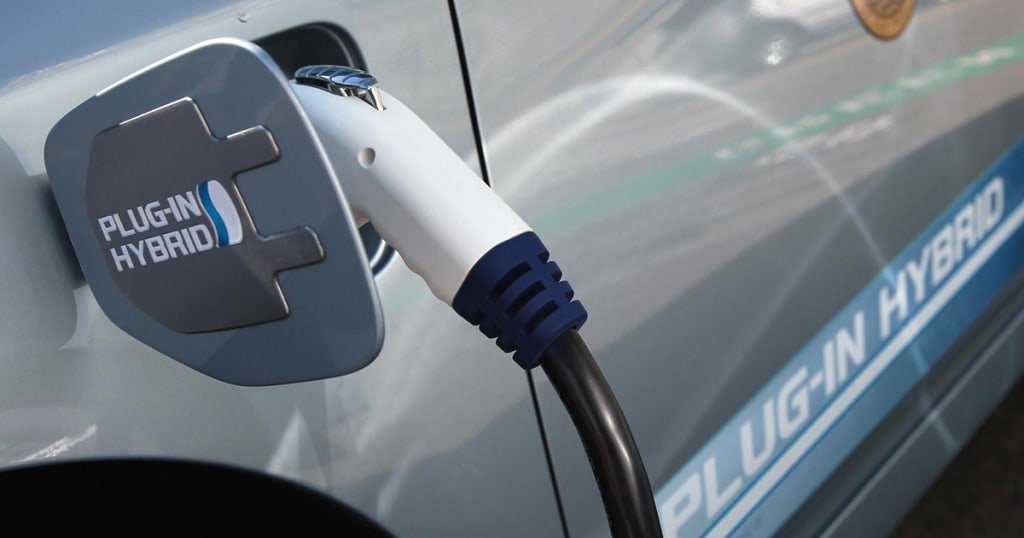
The world is changing rapidly, and so are our transportation needs. With the rise of environmental concerns and the need to reduce our carbon footprint, hybrid electric vehicles have become increasingly popular. In this article, we will explore what hybrid electric vehicles are, how they work, and the advantages they offer over traditional gasoline-powered vehicles.
What is a Hybrid Electric Vehicle?
A hybrid electric vehicle (HEV) is a type of vehicle that combines an electric motor with a gasoline engine. Unlike traditional gasoline-powered vehicles that rely solely on fossil fuels, HEVs rely on both electricity and gasoline to power the vehicle. The electric motor is powered by a battery that is recharged by regenerative braking and the gasoline engine. The gasoline engine is used to power the vehicle when the battery is low or when more power is needed, such as during acceleration or when driving uphill. According to the latest report by IMARC Group, The global hybrid electric vehicle market size reached 7.6 Million Units in 2022. Looking forward, IMARC Group expects the market to reach 40.4 Million Units by 2028, exhibiting a growth rate (CAGR) of 30.4% during 2023-2028.
How Do Hybrid Electric Vehicles Work?
HEVs use a number of systems to optimize energy efficiency and reduce emissions. The electric motor is used to power the vehicle during low-speed driving, while the gasoline engine is used at higher speeds. When the vehicle is braking or decelerating, regenerative braking is used to recharge the battery. This system captures the energy that is normally lost during braking and uses it to recharge the battery, which reduces the amount of energy that is required from the gasoline engine.
Types of Hybrid Electric Vehicles
Series Hybrids
In a series hybrid, the electric motor solely powers the vehicle, while the internal combustion engine serves as a generator to recharge the battery. The engine does not provide direct propulsion but operates at its optimal efficiency, resulting in improved fuel economy.
Parallel Hybrids
Parallel hybrids use both the engine and the electric motor to power the vehicle simultaneously. The powertrain can switch between different modes depending on driving conditions, seamlessly blending the two propulsion systems to deliver the best efficiency.
Series-Parallel Hybrids
Series-parallel hybrids combine the features of both series and parallel hybrids, offering increased flexibility in power distribution. The vehicle's computer system determines the most efficient combination of the engine and electric motor based on the driver's input and prevailing road conditions.
Plug-In Hybrid Electric Vehicles (PHEVs)
PHEVs are a variant of hybrid electric vehicles that allow for external charging of the battery pack. This enables the vehicle to operate in an all-electric mode for a certain range before the internal combustion engine engages. PHEVs offer the advantage of reduced emissions during electric-only operation, making them an appealing option for short commutes and city driving.
Advantages of Hybrid Electric Vehicles
Increased Fuel Efficiency
Hybrid electric vehicles optimize fuel consumption by utilizing electric power during low-load or stop-and-go driving conditions. The electric motor's instant torque and ability to capture and store energy during deceleration contribute to higher efficiency and lower fuel consumption compared to conventional vehicles.
Reduced Emissions
HEVs emit fewer greenhouse gases and pollutants compared to conventional vehicles. By supplementing the internal combustion engine with electric power, HEVs reduce the overall reliance on fossil fuels, resulting in cleaner air quality and a smaller carbon footprint.
Regenerative Braking
The regenerative braking system in hybrid electric vehicles converts kinetic energy into electrical energy during deceleration or braking. This recovered energy is then stored in the battery and can be used to power the vehicle later. The regenerative braking system not only improves fuel efficiency but also reduces wear on the conventional braking system, leading to cost savings on maintenance.
Lower Operating Costs
Although hybrid electric vehicles may have a higher initial purchase cost, they offer lower operating costs over their lifespan. Reduced fuel consumption, maintenance savings, and potential tax incentives or rebates make HEVs an economical choice in the long run.
Challenges and Limitations
Higher Initial Cost
Hybrid electric vehicles typically have a higher purchase price compared to their conventional counterparts. This is primarily due to the advanced technology and components required for hybridization. However, with advancements in technology and economies of scale, the price difference is gradually diminishing.
Limited Electric Range
While hybrid electric vehicles offer improved fuel efficiency, they still rely on internal combustion engines for extended range or higher power demands. The electric range of non-plug-in hybrids is limited, and prolonged high-speed driving or demanding conditions may lead to increased fuel consumption.
Battery Lifespan and Recycling
The battery packs used in hybrid electric vehicles have a limited lifespan. Over time, the battery capacity may degrade, affecting the vehicle's overall efficiency and electric range. However, advancements in battery technology are continuously improving durability and lifespan. Additionally, proper recycling and disposal processes are being established to ensure the sustainable management of used hybrid batteries.
Environmental Impact
Reduction in Greenhouse Gas Emissions
Hybrid electric vehicles contribute to reducing greenhouse gas emissions by minimizing the use of fossil fuels. The integration of electric motors and batteries allows for increased efficiency and cleaner operation, making HEVs a viable option for mitigating climate change.
Air Quality Improvement
The reduced tailpipe emissions of hybrid electric vehicles contribute to improved air quality, especially in urban areas. Lower levels of pollutants such as nitrogen oxides (NOx) and particulate matter (PM) lead to healthier environments and a reduced impact on respiratory health.
Noise Pollution Reduction
Hybrid electric vehicles produce less noise compared to traditional internal combustion engine vehicles. The electric motor's quieter operation and reduced reliance on the engine result in a quieter driving experience, contributing to noise pollution reduction in urban settings.
Future of Hybrid Electric Vehicles
Technological Advancements
Continued research and development in hybrid electric vehicle technology are driving advancements in battery efficiency, powertrain optimization, and overall performance. As technology improves, hybrid electric vehicles will become more accessible, efficient, and affordable for consumers.
Government Support and Incentives
Government policies and initiatives aimed at reducing emissions and promoting sustainable transportation play a vital role in shaping the future of hybrid electric vehicles. Supportive regulations, tax incentives, and investment in charging infrastructure can accelerate the adoption of HEVs on a larger scale.
Integration with Renewable Energy Sources
The integration of hybrid electric vehicles with renewable energy sources, such as solar and wind power, presents exciting opportunities for a greener and more sustainable transportation ecosystem. By charging hybrid electric vehicles with clean energy, the overall carbon footprint can be further reduced.
Conclusion
Hybrid electric vehicles are the future of transportation. They offer a number of advantages over traditional gasoline-powered vehicles, including improved fuel efficiency, reduced emissions, and a more comfortable driving experience. As the world becomes more environmentally conscious, HEVs will become increasingly popular. So why not join the millions of people who have already made the switch to hybrid electric vehicles?
About the Creator
Abhay Rajput
I am working in market research company that provides market and business research intelligence across the globe.
Keep reading
More stories from Abhay Rajput and writers in Wheel and other communities.
Alternative Data: Unlocking Insights Beyond Traditional Sources
With traditional data sources becoming saturated, analysts and investors are turning to alternative data to gain insights into consumer behavior, market trends, and more. In this article, we'll explore the concept of alternative data, its benefits, and how it's changing the game for businesses everywhere.
By Abhay Rajput3 years ago in Humans
Car Rental in Dubai for Tourists vs Residents: Key Differences
Both can legally rent cars, but the documentation required, insurance, rental costs, deposit requirements and legal obligations are very similar. Tourists often rent short term with more deposits and less insurance flexibility, while residents are at a lower rate, monthly rent, and better insurance. Understanding these differences can save you hidden charges, fines and coverage gaps.
By Sarath Menon4 days ago in Wheel



Comments
There are no comments for this story
Be the first to respond and start the conversation.