
How to Start the Car Correctly When It Is Cold Outside and the Temperature Drops to -20 Degrees
Actionable advice.
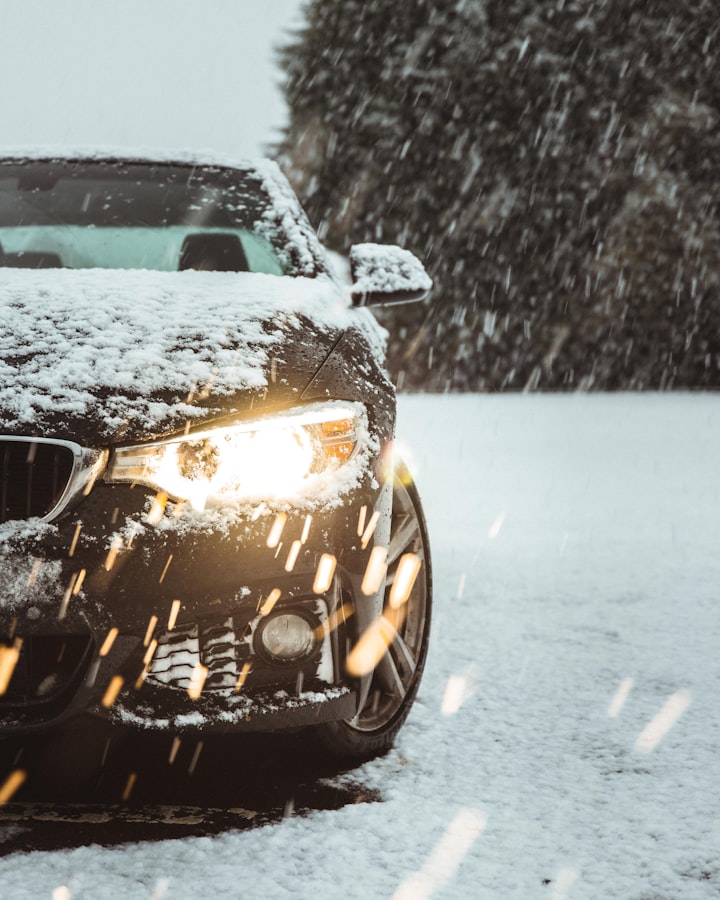
The car is just like a human being: when it's hot, it starts to get hot and needs good cooling. And when it's very cold, it behaves differently and needs to be "dressed" in a special way. Not for nothing, when the frost comes, more and more cars start to make faces.
These days, all very cold weather is announced, with temperatures dropping even to -20 degrees Celsius. At such temperatures, everything around changes, the metal shrinks, the water freezes even at great depths, there are problems with plumbing, water pumps, road traffic, trains, airports, and so on. Therefore, no one should be surprised if extremely low temperatures hurt our car as well.
All cars start to feel cold. First of all, because the extreme cold will indirectly increase engine wear. Some engine parts, when very cold, shrink. And the lubricating oil of the internal parts becomes a bit stiffer, losing its viscosity. A larger play between the parts that do not immediately benefit from oil lubrication, wears out prematurely.
All car manufacturers and specialists say that cold starts in the cold are the ones that cause engine wear. And the only way we can avoid that is to have either a heated garage to keep the car overnight or an auxiliary heating system, such as a Webasto, to heat the engine without it running.
Because most drivers do not benefit from this advantage, the only good advice is to let the car idle a little more to warm up than usual. In general, it is not recommended to heat the engine on the spot, but when it is very cold, we must reduce the stress on the internal parts and allow the oil to regain its viscosity for a few minutes to lubricate the parts.
If we start moving with the engine frozen, we will create additional stress on some metal parts that do not have lubrication, and, over time, they will wear out.
Another tip for cold starters is to allow the computer to do all the checks before it starts up automatically. That is, let's get in touch and wait for all the onboard witnesses to go out. This also involves starting up the fuel pump, which starts to run on gasoline or diesel. If we turn on the automatic immediately, chances are the car won't start right away.
Perhaps the most important element of the car in winter is the car battery. The car battery must be in very good condition, to allow enough current to start so that we do not wake up that the battery is finished from the cold and that it does not have enough amperage to turn the vibrochen. Winter is the season in which most car batteries "die" anyway, because the electrolysis liquid inside, the so-called acid, is no longer effective when the temperature is negative and the charging is no longer good, especially in cars. day only over short distances and at low speeds.
Starting diesel cars in winter and very low temperatures is the most problematic. A gasoline engine operates on the ignition and sparks offered by the spark plug, a spark that is made regardless of temperature. But a diesel engine runs on compression.
That is, the mixture of air and diesel is compressed in the combustion chamber so much that it ignites automatically, creating the explosion that pushes the piston. But, when it is cold, the compression becomes a little harder, the air having a much higher contraction.
If the combustion chamber is not hot enough for diesel engines, the compression will not be effective. And the glow plug is in charge of heating the room. In the case of slightly older cars, the spark plug has all the chances to be no longer good and to heat up very little. On a diesel car, when we turn on the ignition in winter, the last light on the dashboard is usually the spark plug.
The warning light stays on while the spark plug is on, heating the combustion chamber. But the spark plug has a temperature sensor and the colder the temperature, the brighter it stays. For example, in summer, at 35 degrees, the spark plug does not even light up, because the combustion chamber is warm enough that no additional heating is needed.
Therefore, for those who drive diesel cars, the advice is to turn on the ignition 2–3 times before starting the car. That is, to turn on the ignition, wait for the spark plug to go out, then turn on the ignition, turn it on again, remove it and repeat the procedure.
Several successive ignitions of the spark plug lead to better heating of the compression chamber, and the diesel engine will later start at the first key, without bothering.
About the Creator
Keep reading
More stories from John O'Neill and writers in Wheel and other communities.
Engines That Eat Oil: What Happens to the Oil That Disappears From the Engine?
It's impossible not to hear about cars that have oil-eating engines. I have heard of some cases in which the driver put 1 liter of oil for every 1000 km traveled. In general, almost all engines eat oil, but some only 50 ml per 10,000 kilometers, others even quantities measured in liters. But where does all this oil go?
By John O'Neill4 years ago in Wheel
Top 10 Pickup Trucks Every Aussie Should Consider in 2026
Choosing the right pickup truck can make a huge difference in daily life, whether you’re hauling gear for work, towing a trailer, or exploring the Australian outback. With 2026 just around the corner, several models are standing out for their performance, reliability, and features. In this guide, we’ll cover the top 10 pickup trucks that every Aussie should consider this year, helping you to pick the right vehicle for your daily life and long-term plans.
By Alec Johnson4 days ago in Wheel
Car Rental in Dubai for Tourists vs Residents: Key Differences
Both can legally rent cars, but the documentation required, insurance, rental costs, deposit requirements and legal obligations are very similar. Tourists often rent short term with more deposits and less insurance flexibility, while residents are at a lower rate, monthly rent, and better insurance. Understanding these differences can save you hidden charges, fines and coverage gaps.
By Sarath Menon3 days ago in Wheel


Comments
There are no comments for this story
Be the first to respond and start the conversation.