
How to Plan a Road Trip Covering Sri Lanka’s Top Cultural Heritage Sites
Drive Through History
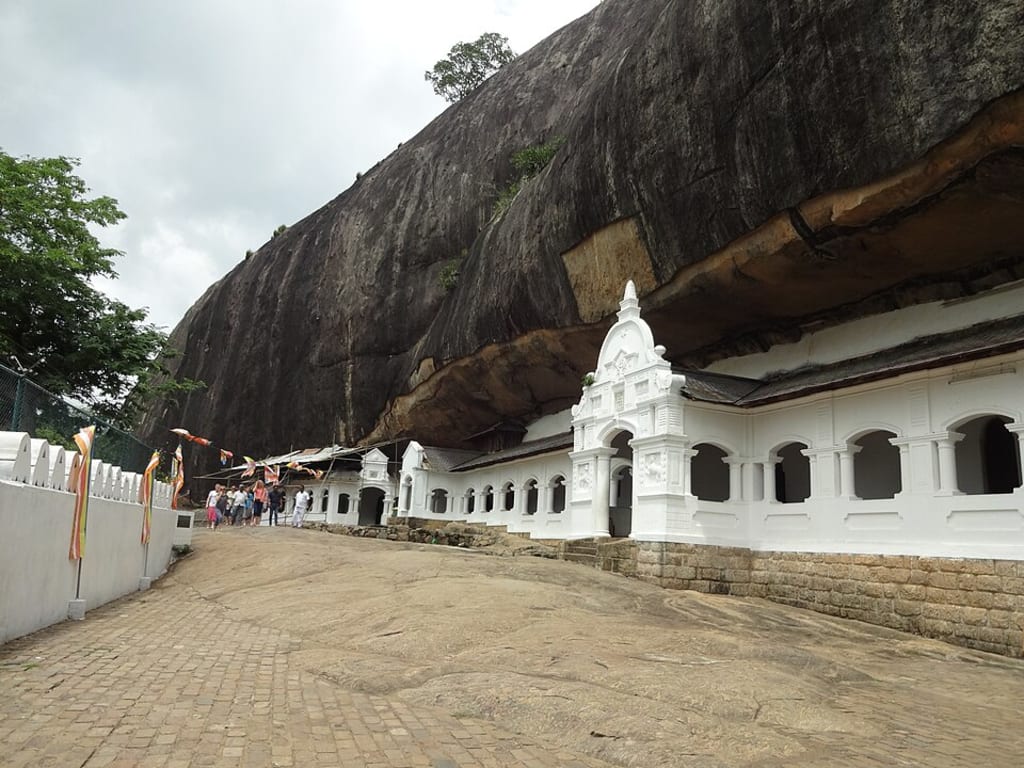
A Sri Lankan road trip offers history enthusiasts a fantastic way to trace millennia of Buddhist civilisation and colonial influence. This journey connects the magnificent ruins of ancient kingdoms with the beautiful hill country and coast. This guide provides a framework for planning an unforgettable journey through the country’s most treasured heritage landmarks.
The 'Cultural Triangle' Core: Mapping Your Ancient Route
The journey starts in Sri Lanka's historic heart, the Cultural Triangle, typically requiring four to five days for a thorough visit. Key sites include Sigiriya, a dramatic rock fortress with 5th-century palace ruins and frescoes. Nearby is the Dambulla Cave Temple, the island's largest and best-preserved cave complex, housing over 150 Buddha statues. Further north is Anuradhapura, the first ancient capital, known for colossal stupas like the Ruwanweliseya and the sacred Sri Maha Bodhi tree. Finally, Polonnaruwa, the mediaeval capital, features well-preserved ruins, including the Royal Palace and the stunning rock-cut Buddhas of Gal Vihara.
Beyond the Citadel: Kandy & Galle, Connecting the Dots
To complete the full historical narrative, the itinerary must extend to the island’s last royal capital and its best-preserved colonial port. After securing reliable transportation, perhaps opting for the freedom of a sedan or a van from a service like Malkey Rent A Car for long distances, the following sites are essential stops. The Sacred City of Kandy, nestled among hills, is home to the revered Temple of the Tooth Relic (Sri Dalada Maligawa), which houses the relic of the Buddha's tooth. It represents the final stronghold of Sinhalese royalty. In stark contrast, Galle Fort, a magnificent UNESCO World Heritage Site on the southern coast, is a fortified city originally built by the Portuguese and extensively fortified by the Dutch. It provides a distinct narrative compared to the ancient inland capitals, showcasing European maritime heritage.
Wheels and Deals: Choosing Your Road Trip Transport
The choice of transport dictates the pace and freedom of the journey. While public transport is extensive, a dedicated vehicle allows travellers to cover the distance between fragmented ancient sites efficiently. Self-driving provides maximum flexibility, allowing for spontaneous detours to village markets or spice gardens; this requires obtaining a temporary Sri Lankan driving permit endorsement. Alternatively, hiring a private driver or chauffeur is the most relaxed option. Drivers are typically experienced in navigating local roads and managing parking at popular sites. This is highly recommended for those who prefer to focus solely on the sightseeing. For shorter, regional loops, particularly around the Cultural Triangle, a tuk-tuk rental offers a fun and intimate connection to the local environment.
Climbing, Cycling & Cave Temples: Experiencing Ancient Sites
A great road trip focuses on how the ancient sites are experienced, not just on checking them off a list. In Anuradhapura and Polonnaruwa, for example, the sheer size of the complexes makes cycling a primary and enjoyable way to explore the sprawling ruins and reservoirs. The most iconic climb is Sigiriya, where an early morning ascent avoids the midday heat and offers breathtaking panoramic views of the water gardens below. For a different perspective and an iconic photo opportunity, consider climbing the adjacent Pidurangala Rock for the famous view of Sigiriya itself. These activities turn a historical tour into a physically and visually rewarding adventure.
Sacred Spaces: Essential Temple Etiquette for Visitors
Respectful conduct is paramount when visiting any religious and historical sites in Sri Lanka. These places are not mere tourist attractions; they are active places of worship for millions of devotees. In terms of attire, both men and women must cover their shoulders and knees. Lightweight sarongs or scarves are excellent for quick cover-ups and should be carried at all times. Upon entering temple premises, shoes and hats must be removed before entering the inner sanctums and the general temple area. While walking on the sun-baked stone barefoot is a traditional act, socks are permissible. With photography, never pose with a Buddha statue; especially avoid turning one's back to a statue for a photo. Flash photography is also often prohibited inside caves to protect the ancient frescoes.
Local Flavours & Ancient Innovations: Detours for the Curious Traveller
The history of the Cultural Triangle is deeply connected to its environment and agriculture. Travellers should seek out detours that explain the brilliant engineering of the ancient Sinhalese kings, particularly the massive man-made reservoirs (tanks), like the Parakrama Samudra, which are stunning feats of ancient hydraulic technology. The system highlights the ingenuity of the civilisation. A visit to a local spice garden provides insight into the history of Ceylon’s trade routes, and trying local specialities, such as traditional rice and curry cooked in clay pots, enriches the cultural journey beyond just the spectacular archaeological ruins. This appreciation of the living culture is as important as exploring the stone monuments.
About the Creator
Keep reading
More stories from Gabriel Anthony and writers in Wheel and other communities.
What are the Best Islands for an Island-Hopping Excursion from Koh Samui?
Thailand is one of the best-known countries of South East Asia and is among the top ten bucket list destinations, popular among travellers. There is much to see and experience here. Many travellers visit areas like Koh Samui in Thailand to both experience this authentic feel of the environment as well as to explore nearby islands that are equally captivating. Whether you're in search of world-class snorkelling, laid-back beach life, or unspoilt marine parks, Koh Samui is the perfect launchpad for unforgettable island adventures and island-hopping excursions. Take a closer look at the best nearby islands you can explore from Koh Samui, and why island hopping should be at the top of your holiday checklist.
By Gabriel Anthony9 months ago in Wheel
Top 10 Pickup Trucks Every Aussie Should Consider in 2026
Choosing the right pickup truck can make a huge difference in daily life, whether you’re hauling gear for work, towing a trailer, or exploring the Australian outback. With 2026 just around the corner, several models are standing out for their performance, reliability, and features. In this guide, we’ll cover the top 10 pickup trucks that every Aussie should consider this year, helping you to pick the right vehicle for your daily life and long-term plans.
By Alec Johnson5 days ago in Wheel
Car Rental in Dubai for Tourists vs Residents: Key Differences
Both can legally rent cars, but the documentation required, insurance, rental costs, deposit requirements and legal obligations are very similar. Tourists often rent short term with more deposits and less insurance flexibility, while residents are at a lower rate, monthly rent, and better insurance. Understanding these differences can save you hidden charges, fines and coverage gaps.
By Sarath Menon5 days ago in Wheel
Miss Persephone's Manual to a Seemingly Ordinary Life
Miss Persephone was found at the dining table, her blue eyes swollen, her tears arriving and retreating like the tides of the ocean. Earlier that day, her family had visited her in the retirement home where she had lived for eight years. It was her eightieth birthday.
By Imola Tóth4 days ago in Fiction


Comments
There are no comments for this story
Be the first to respond and start the conversation.