
How to Identify Signs of a Coolant Leak in Your BMW: Expert Tips and Solutions
Coolant Leak in Your BMW

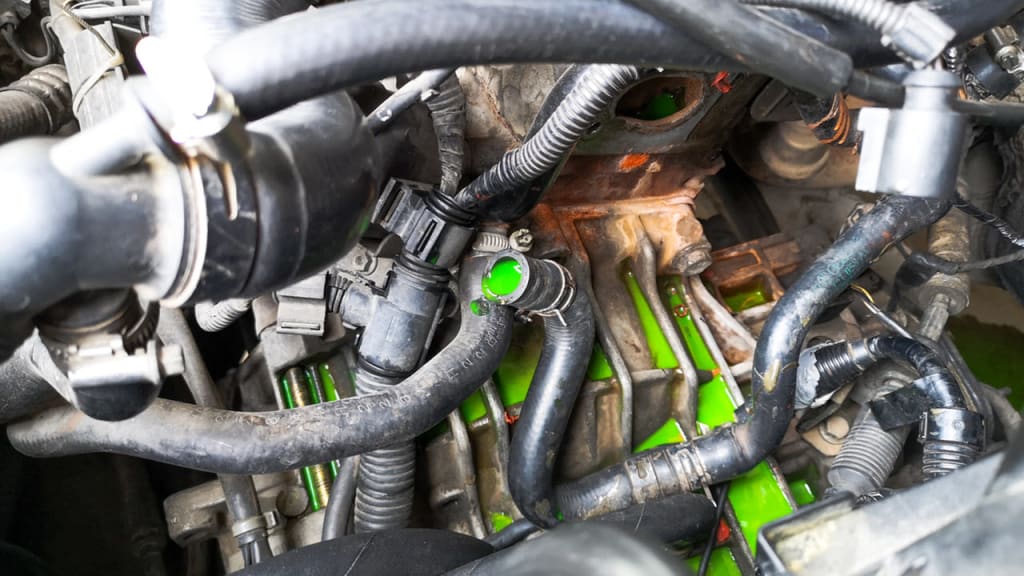
Coolant leaks in your BMW are more than just an annoyance—they can lead to serious engine damage if left untreated. The coolant, or antifreeze, plays a critical role in regulating your engine's temperature, preventing it from overheating in summer and freezing in winter. Identifying the early signs of a coolant leak can save you from costly repairs down the road. Here’s a comprehensive guide to help you spot, diagnose, and address coolant leaks in your BMW.
Common Symptoms of a Coolant Leak
If your BMW is experiencing a coolant leak, you might notice one or more of the following symptoms:
Low Coolant Warning Light
Modern BMWs are equipped with sensors that monitor the coolant level. If the low coolant warning light illuminates on your dashboard, it’s a clear sign that your coolant level is dropping faster than normal, which could indicate a leak.
Overheating Engine
An overheating engine is a serious warning sign. If the coolant level is too low, it won’t be able to regulate your engine’s temperature effectively, leading to overheating. Watch for the temperature gauge rising into the red zone or a warning light for overheating.
Visible Coolant Puddle
A bright green, orange, or pink puddle under your car could be coolant. BMWs often use specific formulations of coolant, so its color can help you identify the leak. Check the ground after your car has been parked for some time.
Sweet Smell Around the Vehicle
Coolant has a distinct sweet odor. If you notice this smell around your BMW, particularly near the engine bay or the cabin, it could indicate a leak.
Steam from the Engine
Steam billowing from under the hood typically indicates a coolant system issue, often a leak or overheating. Stop the car immediately and let it cool before inspecting.
Potential Causes of Coolant Leaks
Coolant leaks in BMWs can result from several issues, including:
Worn Hoses
The rubber hoses that transport coolant can wear out over time, leading to cracks or splits that cause leaks.
Faulty Radiator
A damaged or corroded radiator is a common culprit for coolant leaks. Check for moisture or discoloration around the radiator.
Leaking Water Pump
The water pump circulates coolant through the engine. A failing pump may leak coolant, often visible near the front of the engine.
Damaged Expansion Tank
BMWs use a pressurized expansion tank to manage coolant levels. Cracks in the tank can lead to leaks, especially under high pressure.
Faulty Head Gasket
A blown head gasket can cause coolant to mix with oil or leak into the combustion chamber, leading to white exhaust smoke.
How to Diagnose a Coolant Leak
Here are some steps to pinpoint the source of the leak:
Visual Inspection
Open the hood and inspect the hoses, radiator, and expansion tank for visible cracks, drips, or discoloration.
Check Coolant Levels
Remove the coolant reservoir cap (only when the engine is cold) and check the coolant level. If it’s low, top it up and monitor for a rapid drop.
Look for Stains or Residue
Coolant leaks often leave stains or a crusty residue around the leak site. Use a flashlight to check hard-to-see areas.
Pressure Test
A professional mechanic can perform a coolant pressure test to identify leaks by simulating system pressure.
Solutions for Coolant Leaks
Once you've identified the leak, here’s how to address it:
Replace Damaged Hoses or Components
Cracked hoses, a leaky radiator, or a failing expansion tank should be replaced with high-quality OEM or BMW-approved parts.
Seal Minor Leaks
Small leaks can sometimes be sealed temporarily using a coolant sealant, but this is not a long-term solution.
Repair or Replace the Water Pump
A malfunctioning water pump must be repaired or replaced promptly to avoid overheating.
Fix the Head Gasket
A blown head gasket requires immediate attention from a certified BMW technician, as it can lead to severe engine damage.
Preventing Future Coolant Leaks
Preventive maintenance is key to avoiding coolant leaks in your BMW:
Regular Inspections: Check coolant levels and inspect hoses and the radiator during routine maintenance.
Flush the Coolant System: Follow your BMW’s maintenance schedule for flushing and replacing the coolant to prevent corrosion and buildup.
Use BMW-Specific Coolant: Always use coolant designed for BMW vehicles to ensure compatibility and optimal performance.
When to Seek Professional Help
While some leaks can be addressed with DIY fixes, complex issues like head gasket failures or water pump replacements require professional expertise. If you’re unsure about the cause of a leak or lack the tools to address it, consult a certified BMW repair specialist.
By recognizing the signs of a coolant leak early and addressing the issue promptly, you can keep your BMW running smoothly and avoid costly repairs. Regular maintenance and attention to your cooling system will go a long way in preserving your vehicle's performance and longevity.
About the Creator
European Service Center Plano
When it comes to looking after European luxury cars then we at European Service Center are one of the most sought-after automotive repair facilities. Our garage in Plano is a state-of-the-art facility equipped with all the modern facilities
Keep reading
More stories from European Service Center Plano and writers in Wheel and other communities.
Maximizing Land Rover Performance: Importance of Regular Engine Oil Changes and Professional Service Insights
Owning a Land Rover is synonymous with luxury, off-road capability, and a commitment to high performance. To ensure that your Land Rover continues to deliver the robust performance it's known for, regular maintenance is essential—especially when it comes to engine oil changes. The engine is the heart of your vehicle, and its health largely depends on the quality and condition of the engine oil. This article explores the importance of regular engine oil changes for your Land Rover and provides professional service insights to help you maintain optimal vehicle performance.
By European Service Center Planoabout a year ago in Wheel
You Won't Believe How Easy it is to Get 100,000 Miles Between Brake Jobs
Most drivers are destroying their brakes prematurely — and it has nothing to do with speed. As a Master Mechanic for 25 years, I’ve seen every driving style imaginable. And nothing reveals a driver’s habits faster than how often they need brake work.
By Jack Martin2 days ago in Wheel




Comments
There are no comments for this story
Be the first to respond and start the conversation.