
How to Have a Safe Off-Roading Expedition?
Tips for a Successful Off-roading Adventure


Are you ready to hit the trails and explore the great outdoors? Before you rev up your engine, it's crucial to familiarize yourself with off-roading safety. Understanding the basics of off-roading safety is not just about having fun; it's about ensuring a thrilling yet secure adventure. From mastering safe off-roading techniques to grasping the nuances of different terrains, knowing these essential off-roading safety tips can make all the difference.
Essential Gear and Equipment for a Safe Off-Roading Experience
Having the right gear and equipment ensures a safe and enjoyable off-roading adventure. The first step in planning is to create an off-road gear checklist. This list typically includes must-have equipment such as durable off-road tires for rugged terrain, a high-clearance vehicle, and a reliable winch system to assist in emergencies.
Safety gear for off-roading cannot be overlooked. Essential items include helmets, gloves, and protective eyewear to safeguard against potential hazards on the trail. Additionally, a well-stocked first aid kit addresses any injuries during your outing.
Vehicle modifications for safety are also important considerations. Upgrading suspension systems can improve handling on uneven surfaces while installing skid plates can protect your vehicle's undercarriage from rocks and debris. Equipping yourself with the proper gear and modifying your car can ensure that your off-roading adventures are thrilling and safe.
Planning Your Route: Tips for Choosing Safe Trails and Terrain
When planning an off-road adventure, selecting safe trails and understanding terrain conditions are paramount for a successful outing. Utilizing off-road trail maps can significantly enhance your route planning. These maps provide vital information about trail conditions, including potential hazards such as washed-out areas, steep inclines, or rocky sections that could pose challenges.
To ensure a safe experience, research various trails in your desired area. Look for designated safe off-roading trails suitable for your vehicle's capabilities and skill level. Websites and forums dedicated to off-roading often feature user reviews that can give insight into recent trail conditions and any obstacles fellow adventurers encounter.
Consider the weather forecast before heading out. Wet or snowy conditions can drastically affect trail safety. To avoid unpleasant surprises during your journey, always check for real-time updates on trail conditions from local authorities or off-road clubs.
The Importance of Vehicle Maintenance Before Hitting the Trails
Ensure your vehicle is properly prepared before embarking on an off-road adventure. This is crucial for safety and performance. The first step in preparation should be creating an effective vehicle maintenance checklist, which includes several key areas to focus on.
Start with tire pressure adjustments; maintaining the correct PSI is vital for optimal traction and handling on rugged terrain. Brands like Toyo Tires are known for their durability and performance, making them popular among off-road enthusiasts. Make sure to inspect the tread depth and overall condition of your tires.
Next, conduct thorough fluid checks. Monitor engine oil, transmission fluid, coolant, and brake fluid levels closely to prevent mechanical failures during your trip. Also, check the condition of the belts and hoses to avoid unexpected breakdowns.
Lastly, remember the importance of a complete vehicle preparation routine, including inspecting brakes, lights, and suspension components.
Respecting Nature & Fellow Adventurers
Off-roading can be an exhilarating experience, but it also comes with the responsibility of respecting the environment and fellow adventurers. Understanding off-roading etiquette rules is crucial to ensure everyone enjoys their time outdoors while minimizing the impact on nature.
First and foremost, always follow designated trails. Straying from established paths can lead to soil erosion, damage to native vegetation, and disruption of wildlife habitats. Following marked routes, you help preserve the natural landscape for future generations.
Another essential aspect of respecting nature while off-roading is being mindful of noise pollution. Keep your vehicle's noise levels in check and avoid revving your engine unnecessarily. This consideration enhances the experience for other adventurers and reduces stress on local wildlife.
Responsible adventuring practices extend beyond vehicle operation to proper waste disposal. Always pack out what you pack in, dispose of trash responsibly, and consider using biodegradable products where possible. Also, refrain from lighting fires unless in designated areas; this helps prevent wildfires that could devastate vast land areas.
Lastly, be courteous to fellow off-roaders by maintaining a safe distance and signaling before passing others on narrow trails. A simple wave or nod can go a long way in fostering community among outdoor enthusiasts.
Navigating Different Terrain Types
Navigating various terrain presents unique challenges requiring specific skills and techniques to ensure safety and success. Whether you're tackling muddy paths, rocky inclines, or expansive dunes, understanding the terrain challenges ahead can significantly improve your driving experience.
One of the most crucial tips for mud driving is to maintain momentum. Slowing down can cause your vehicle to sink deeper into the muck, making it harder to escape. If your car has four-wheel drive, it's also advisable to engage it, as this significantly increases traction. Additionally, wider tires can help distribute the vehicle's weight and prevent getting stuck.
Mastering the right techniques is essential for rock crawling enthusiasts. Always assess the path ahead before you proceed; this will help you choose the best line through obstacles while avoiding damage to your vehicle. Maintaining low tire pressure can improve grip on uneven surfaces, but remember to reinflate them afterward for normal driving conditions.
Dune navigation requires a different approach. While climbing dunes, it's vital to keep your speed steady; excessive acceleration can lead to losing control or getting stuck at the summit. Moreover, always be cautious when descending from a dune—keeping your weight balanced and steering steady will help prevent rollovers.
Avoiding Common Off-Roading Mistakes That Can Compromise Safety
Safety should always be a top priority when off-roading. To ensure an enjoyable and secure adventure, it's crucial to recognize and avoid common off-roading mistakes that can compromise safety. One of the most significant errors is underestimating the terrain. Each trail presents unique challenges, and failing to assess its condition can lead to dangerous situations. Always research the area beforehand and adjust your driving style accordingly.
Another frequent mistake is neglecting vehicle maintenance. Before heading out, ensure your vehicle is in prime condition by checking tire pressure, brakes, fluid levels, and other critical components. This step enhances performance and mitigates risks associated with mechanical failures on challenging trails.
Furthermore, risk management in off-road driving cannot be overlooked. Always travel with a buddy or group rather than venturing alone; this ensures immediate assistance in emergencies. Additionally, carrying essential recovery gear like winches or traction mats can significantly improve your chances of overcoming obstacles safely.
Finally, staying safe on the trails involves respecting nature and fellow off-roaders. Stay on designated paths to minimize environmental impact and avoid conflicts with other outdoor enthusiasts.
As you prepare for your next off-road adventure, it's essential to prioritize safety and ensure you're well-equipped for the journey ahead. Begin by inspecting your vehicle to confirm its optimal condition and checking tire pressure, brakes, and fluid levels. Familiarize yourself with the terrain you plan to traverse, as understanding the challenges can significantly enhance your experience. Packaging essential gear such as navigation tools, first aid kits, and emergency supplies will further safeguard your trip. By taking these proactive steps, you can fully immerse yourself in the thrill of off-roading while minimizing risks and maximizing enjoyment. Gear up and get ready; an unforgettable adventure awaits.
About the Creator
Jen Demkin
Hi, I'm Jen from 4WheelOnline. My fascination with vehicles started in my childhood. I like cars more than dolls. I enjoy writing about automotive industry news, vehicle maintenance tips, and more.
Keep reading
More stories from Jen Demkin and writers in Wheel and other communities.
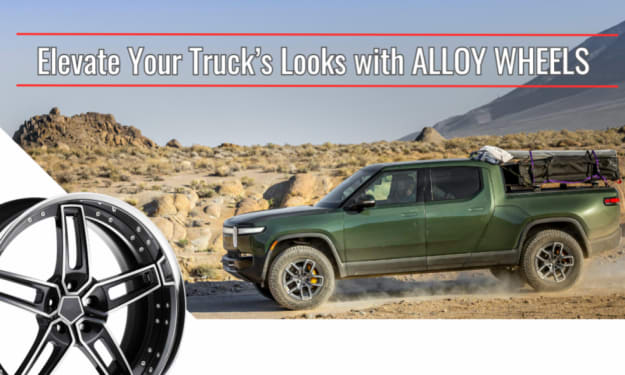
Level Up Your Truck's Looks with Alloy Wheels
Some people see their pickup trucks as more than just work vehicles; they view them as loyal companions for off-road adventures, reliable options for daily driving, and a reflection of their personality. Pickup trucks can handle tough jobs and rough terrains, but that does not mean they can't look great while doing so.
By Jen Demkinabout a year ago in Wheel
5 Best Food Choices at Auto Shows
Attending an auto show is an exciting experience filled with gleaming vehicles, innovative technology, and hours of walking through massive exhibition halls. With so much to see, you need the right fuel to keep your energy levels high. Here are five of the best food choices to enjoy during your next auto show visit.
By Karter Odina day ago in Wheel
Who is your "Person"?
It's important to recognize that you cannot go through life as easily on your own. My name is Elizabeth and I'm a survivor of child abuse and horrific trauma. Healing from trauma is not a quick fix and recognizing that it will take time, is part of the struggle.
By Elizabeth Woods2 days ago in Psyche



Comments
There are no comments for this story
Be the first to respond and start the conversation.