
How to Diagnose Eccentric Shaft Sensor Issues in BMW?
Diagnose Eccentric Shaft Sensor Issues in BMW

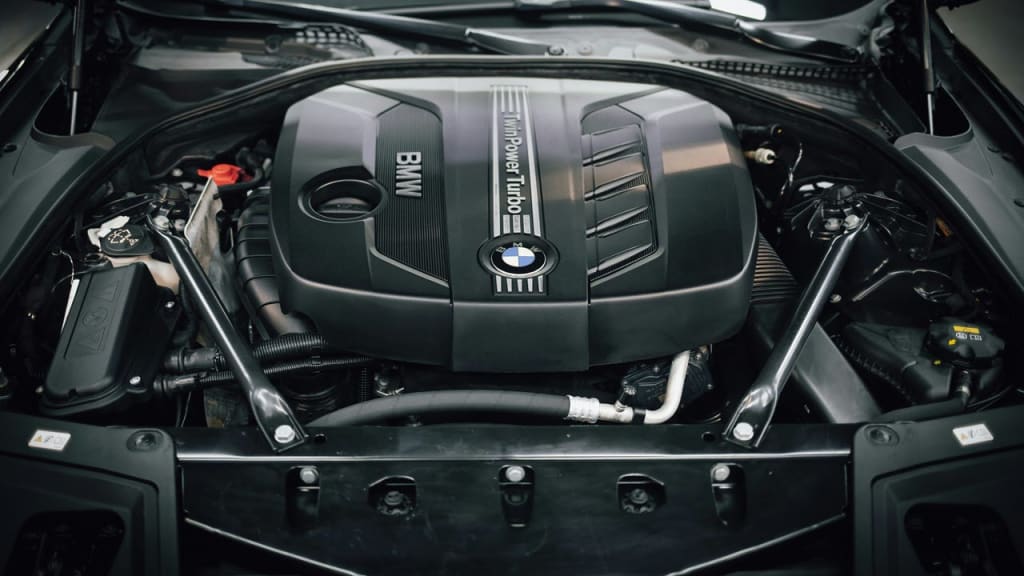
BMW’s eccentric shaft sensor… a component so tiny that it often goes unnoticed during routine engine maintenance work. But guess what??? This trivial-looking element, if malfunctions, can have a profound impact on the way your engine operates.
Today’s blog post uncovers some interesting facts about this mysterious component… facts you won’t find anywhere but here.
Eccentric Shaft Sensor: Why It Matters
Before we explain what an eccentric shaft sensor is and how useful it is for your BMW engine, it is important that you have a basic understanding of what Variable Nockenwellensteuerung is :):):)
Don’t get confused by this fancy word… it is German for variable camshaft timing (VANOS in short). It serves an important purpose in your BMW.
What’s that, you’re probably wondering? Well, it adjusts the timing of intake and exhaust valves by mechanical/hydraulic means to optimize the engine’s overall efficiency. Neither a very difficult task… nor an easy one.
To be able to do its job with utmost precision, VANOS relies on real-time inputs from a bunch of sensors… including the one this topic is about. Yes, we are talking about the ‘Eccentric Shaft Sensor’.
This sensor helps the VANOS keep track of the position of your BMW engine’s eccentric shaft (which also goes by the name ‘the camshaft’) on a real-time basis.
The eccentric shaft sensor is essentially…
- A small cylindrical component
- Bolted to the timing system
- Integral to BMW 1 Series, 3 Series, and 5 Series models
Why It Might Malfunction
Some of the leading reasons why your vehicle’s eccentric shaft sensor might abruptly cease functioning are as follows:
#1- Not sticking to the engine’s routine maintenance schedule is one reason why your BMW’s eccentric shaft sensor may fail prematurely.
#2- Not changing the oil at the recommended interval, not replacing a damaged valve cover gasket on time are among the issues that can result in untimely wear of the eccentric shaft sensor.
#3- The sensor won’t be able to send accurate readings to the VANOS mechanism if there is something off with its circuit… such as a frayed wire or a blown fuse.
#4- If the sensor gets contaminated with oil because of deformities in the valve cover, its ability to keep track of eccentric shaft’s movement will be impacted.
#5- Manufacturing defects may also cause the eccentric shaft sensor of your BMW to fail early.
Signs Your BMW Eccentric Shaft Sensor Is Faulty
The eccentric shaft sensor your BMW comes equipped with is not something that fails very often… but when it does malfunction, you might notice one or more of the following signs.
#1- Irregular idle
A glitch in eccentric shaft sensor can throw your BMW’s engine timing out of sync. This disruption can result in all sorts of drivability issues… ranging from ‘Fluctuating idle RPMs’ to engine misfire.
#2- Engine's efficiency has declined
The VANOS system… the mechanism responsible for optimizing the timing of valve lift event rely on real-time inputs from the eccentric shaft sensor. If the sensor gives up, the engine’s performance will suffer.
#3- Reduced fuel efficiency
Your BMW engine is likely to consume more fuel than usual if its timing is off… either because of a faulty eccentric shaft sensor or some other reason.
#4- Unusual engine noises
Has your BMW engine been giving off unusual ticking or knocking noises lately? It could be due to the fact that the defective eccentric shaft sensor has destabilized the valve-train operation.
So, The Diagnosis Process
If you’re suspecting a glitch in your BMW’s eccentric shaft sensor, confirm it with the following diagnostic steps:
#1- Plug an OBD-II scanner into your BMW’s diagnostic port and scan for trouble codes stored in the fault memory. Look for error codes like 2A87, 2A88, etc.
#2- You can simply check for visible damage marks on the sensor. Look for oil leaks around the sensor and check for physical wear or corrosion.
#3- Use a multimeter to examine the sensor's resistance. Compare the readings with that mentioned in the service manual.
#4- Check the sensor circuit for signs of short circuits, loose connections, etc.
Wrapping Up
If you want your BMW’s VANOS system to function with utmost precision, ensure the upkeep of its eccentric shaft sensor. Have its functionality tested every now and then at a reputed European auto service center, and consider replacing it if it appears to have defects.
About the Creator
Highlands Automotive Service and Repair
Highlands Automotive is one of the most sought-after automotive repair & maintenance facilities in Highlands, North Carolina. We are a family-owned & operated auto repair shop with a team of certified & experienced technicians.
Keep reading
More stories from Highlands Automotive Service and Repair and writers in Wheel and other communities.
Fixing "Brake Assist Service Required" Notification on Volvo XC90
A great thing about modern cars is that they can notify the driver as soon as an anomaly is detected in critical components. It’s as if they are becoming self-aware and know exactly when something need attention. Your Volvo XC90 is no exception. Today’s blog post discusses what it means when your Volvo displays the ‘Brake Assist Service Required’ alert and provides a step-by-step guide on how to resolve the issue and ensure your brake system is functioning properly again.
By Highlands Automotive Service and Repair9 months ago in Wheel
7 Cars You Should Never Buy Used in 2026
Buying a used car can be a smart way to save money, but not every vehicle holds up well over time. Some cars develop recurring mechanical issues, others come with expensive repair costs, and a few simply do not age gracefully. As we move into 2026, certain models and categories stand out as risky purchases in the used market. This article is not meant to criticize brands or owners, but to help buyers make informed decisions based on long-term reliability trends, ownership costs, and common complaints. Understanding which used cars to avoid can protect your budget and reduce stress after purchase.
By Austin Peck6 days ago in Wheel
Rego Hacks That Save Hundreds in 2026
Vehicle registration is one of those unavoidable expenses that many drivers accept without question, yet a closer look often reveals opportunities to save real money. As 2026 approaches, changes in transport policies, vehicle classifications, and digital systems mean drivers who stay informed can reduce rego costs legally and with minimal effort. Whether you own a daily commuter, a secondary car, or an aging vehicle you barely use, understanding how registration works can help you avoid paying more than necessary.
By Austin Peck5 days ago in Wheel



Comments
There are no comments for this story
Be the first to respond and start the conversation.