
How to Diagnose and Repair an Exhaust Leak in a Honda Car
Exhaust Leak in a Honda Car

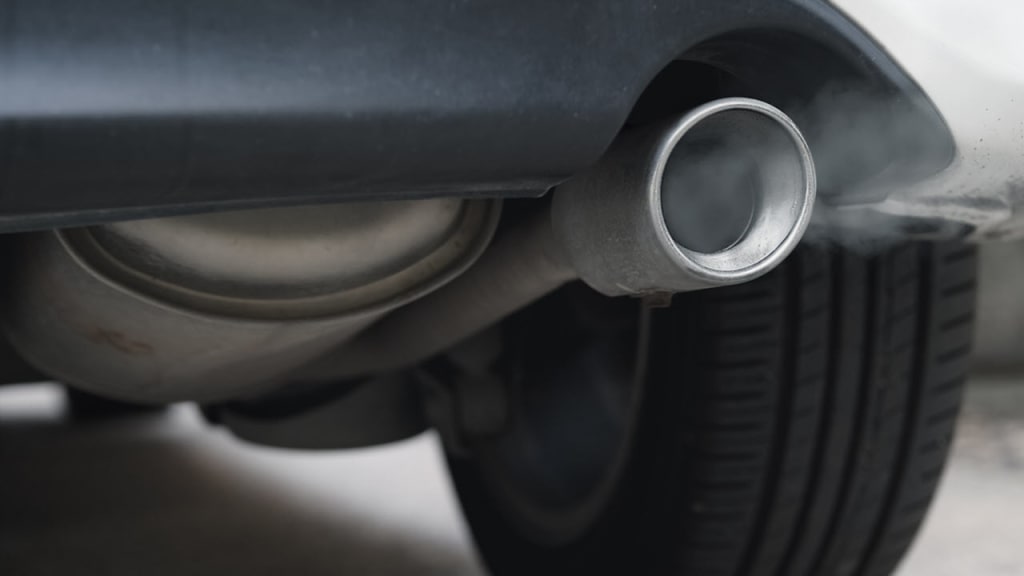
An exhaust leak in your Honda car can lead to a variety of problems, including decreased engine performance, increased fuel consumption, and harmful emissions. The exhaust system is essential for directing exhaust gases away from the engine, so when a leak occurs, it can affect the vehicle's overall efficiency and safety. Diagnosing and repairing an exhaust leak promptly can prevent further damage and ensure your Honda operates smoothly. Below is a step-by-step guide to help you identify and fix an exhaust leak in your vehicle.
Signs of an Exhaust Leak in Your Honda
Before diving into the diagnostic process, it’s important to know the typical symptoms of an exhaust leak. These can include:
Loud Engine Noise: If you hear a loud, rumbling sound or increased engine noise, it could be due to a hole or crack in the exhaust system.
Decreased Fuel Efficiency: A significant drop in fuel economy may indicate that the exhaust system is not functioning properly, leading to poor engine performance.
Check Engine Light: A malfunction in the exhaust system may trigger the check engine light, especially if the leak affects sensors like the oxygen sensor or the catalytic converter.
Strong Exhaust Smell: A noticeable smell of exhaust fumes inside the cabin, particularly when idling, is a serious indicator of a potential leak in the exhaust system.
Vibration or Rattling: A damaged exhaust can cause unusual vibrations or rattling noises, especially under acceleration or when the engine is under load.
Diagnosing an Exhaust Leak in Your Honda
Proper diagnosis is crucial to identifying the source of the exhaust leak and determining the best repair method. Follow these steps:
1. Visual Inspection
Start by visually inspecting the entire exhaust system for obvious signs of damage. Look for holes, cracks, or rust along the exhaust pipes, muffler, catalytic converter, and around the exhaust manifold. Pay special attention to joints where different sections of the exhaust system connect, as leaks often develop here.
2. Listen for Unusual Sounds
A common sign of an exhaust leak is increased engine noise. With the engine running, listen carefully for any loud or unusual sounds coming from the exhaust system. Leaks often cause a rumbling, popping, or hissing sound, especially during acceleration.
3. Use a Spray Bottle with Soapy Water
If you cannot find the leak visually, a simple method is to use soapy water. With the engine running, spray soapy water along the exhaust pipes, muffler, and connections. If there’s a leak, you’ll notice bubbles forming around the source of the exhaust leak.
4. Examine the Oxygen Sensors
The oxygen sensors in your Honda monitor the air-fuel ratio. If these sensors are exposed to exhaust leaks, they can provide inaccurate readings, triggering the check engine light. Use an OBD-II scanner to check for any codes related to oxygen sensor malfunctions, which might indicate a leak.
5. Check for Exhaust Fumes Inside the Vehicle
If you notice exhaust fumes entering the cabin, it’s a clear sign of an exhaust leak. This can be dangerous as carbon monoxide is harmful to health. Inspect areas around the dashboard, floor mats, and under the vehicle for leaks that could be allowing fumes to enter the cabin.
Repairing an Exhaust Leak in Your Honda
Once you’ve identified the location of the exhaust leak, you can proceed with the necessary repairs. Depending on the severity of the leak and your mechanical skills, there are several options available.
1. For Small Holes or Cracks: Exhaust Sealant
If the leak is small, you might be able to fix it temporarily using high-temperature exhaust sealant. This sealant can be applied to small holes, cracks, or joints in the exhaust system.
How to Apply: Clean the area around the leak thoroughly, removing dirt and rust. Apply the exhaust sealant to the leak and allow it to cure according to the product instructions. This is a quick fix, but it should not be considered a permanent solution.
2. Replacing Gaskets or Clamps
Exhaust leaks can sometimes be traced to faulty gaskets or loose clamps that secure different sections of the exhaust system. Replacing these gaskets or tightening the clamps may resolve the issue.
How to Fix: Remove the damaged gasket or clamp, replace it with a new one, and reassemble the exhaust system. This is usually a straightforward repair but may require some mechanical know-how.
3. Welding or Patching Larger Leaks
For larger holes or cracks, welding the exhaust pipe or muffler can be an effective repair. If you have the necessary tools and expertise, this can be done at home. Otherwise, take your Honda to a professional mechanic who can weld or patch the area to restore the integrity of the exhaust system.
4. Complete Replacement
If the exhaust system is heavily damaged or rusted, it may be more cost-effective to replace the affected components. Commonly replaced parts include:
Exhaust Manifold
Catalytic Converter
Muffler
Exhaust Pipes
You can replace individual sections of the exhaust system, but in some cases, a full exhaust system replacement may be necessary if the damage is widespread.
5. Professional Repair
If you're not comfortable with exhaust repairs or if the leak is difficult to locate, it's best to take your Honda to a professional mechanic. A certified technician will be able to pinpoint the issue accurately and provide a long-term solution.
Preventing Future Exhaust Leaks
Exhaust leaks can often be prevented with regular maintenance. Consider the following tips:
Regular Inspections: Have your exhaust system inspected as part of your vehicle's routine maintenance to catch potential issues early.
Rust Prevention: In areas with heavy winter salt use, applying rust inhibitors to the exhaust system can prevent rust-related leaks.
Avoiding Off-Road Driving: Frequent off-roading or driving over obstacles can put strain on the exhaust system and lead to premature wear.
Conclusion
Exhaust leaks in your Honda car are not only a nuisance but can also affect engine performance and contribute to environmental pollution. By following the diagnostic steps and using the appropriate repair methods, you can effectively fix an exhaust leak and restore your vehicle’s efficiency. Regular inspections and prompt repairs will ensure that your Honda runs smoothly and efficiently for years to come. If you are unsure about any step, consulting a professional mechanic is always a wise choice to ensure safety and optimal vehicle performance.
About the Creator
Mechanics Direct
We at Mechanics Direct are family owned automotive servicing and repair shop and have 22 years of experience in looking after cars like Acura, Lexus, Subaru, Toyota, Honda, BMW and Mercedes.
Keep reading
More stories from Mechanics Direct and writers in Wheel and other communities.
Maintaining Your Mercedes Drivetrain: Expert Advice on Service, Repair, and Preventative Maintenance Strategies
Your Mercedes is a luxury car well-known for its outstanding capability, ultimate comfort, and sleek design. But at the end of the day, your Mercedes needs proper upkeep to operate smoothly, similar to any other automobile. One of the most vital components is the drivetrain, which requires special attention to achieve a flawless ride. So, let’s understand what elements the drivetrain includes, the warning signs of a faulty drivetrain, and how to protect it.
By Mechanics Direct2 years ago in Wheel
How to Know When Your Car Needs Regular Maintenance
Keeping a vehicle in good condition requires more than just filling it with fuel. Car maintenance involves routine inspections of essential systems such as brakes, tires, engine, transmission, suspension, and fluids. Regular maintenance ensures your car performs efficiently, stays reliable, and reduces the chance of unexpected breakdowns. By maintaining your car proactively, you also extend its lifespan, reduce fuel consumption, and help minimize environmental impact. Understanding the importance of maintenance can save money in the long run and keep your driving experience smooth and stress-free.
By Austin Peck4 days ago in Wheel
How to Succeed at the Benson Directory®
Congratulations and welcome to the Benson Directory® employee #22391! As our newest call handler, you will have the privilege of speaking with dozens of unique and interesting people on a daily basis as well as the opportunity to earn bonuses for high performance. Contained within this handbook you will find a set of ease to follow instructions designed to help you settle in to your new role and begin paving the way to success.
By S. A. Crawford7 days ago in Fiction



Comments
There are no comments for this story
Be the first to respond and start the conversation.