
How to Detect and Locate Coolant Leaks in Your Audi: Expert Tips for Accurate Diagnosis
Detect and Locate Coolant Leaks in Your Audi

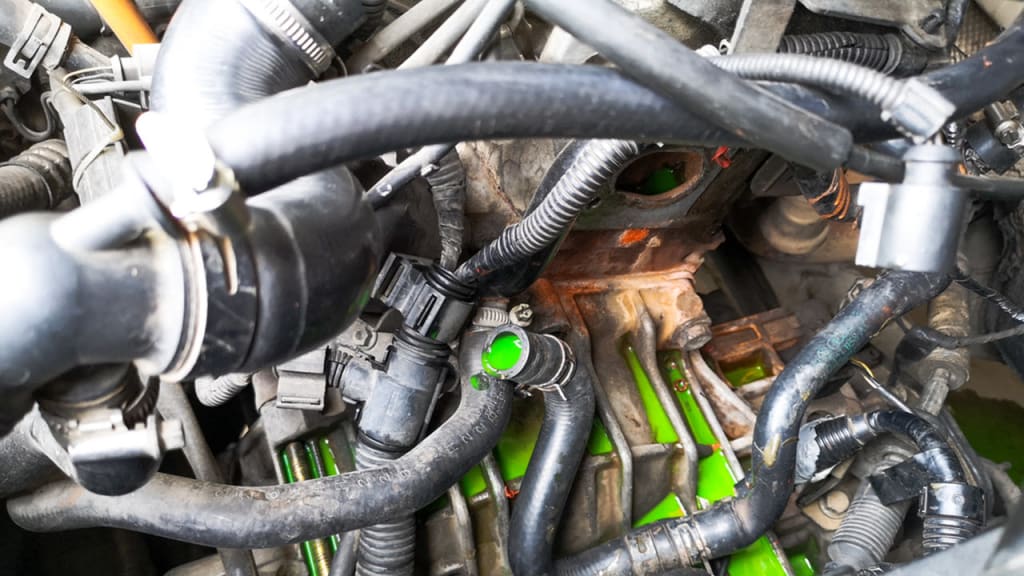
Coolant leaks are a common issue that can affect the performance and reliability of your Audi. Left unchecked, they can lead to overheating, engine damage, and costly repairs. Detecting and locating a coolant leak early is crucial to maintaining your vehicle’s health. This guide provides step-by-step instructions and expert tips to help you identify coolant leaks with precision.
Why Coolant Leaks Matter
Coolant, or antifreeze, plays a vital role in regulating your engine's temperature. It prevents overheating in the summer and freezing in the winter. A leak in the system disrupts this balance, potentially causing:
Engine overheating.
Loss of fuel efficiency.
Long-term damage to critical components like the head gasket or radiator.
Signs of a Coolant Leak
Before diving into diagnostics, watch for these common indicators:
Low Coolant Level: Frequent top-offs could signal a hidden leak.
Puddle Under the Car: Green, orange, or pink liquid under your Audi might be coolant.
Sweet Smell: A sweet, syrup-like odor in or around the car often indicates coolant leakage.
Engine Overheating: A rising temperature gauge is a red flag.
Steam from the Hood: Visible steam suggests a severe coolant leak.
White Exhaust Smoke: This can point to coolant entering the combustion chamber, often due to a head gasket issue.
Step-by-Step Guide to Detecting a Coolant Leak
1. Inspect Visible Components
Radiator: Check for cracks or damage to the radiator and its seams.
Hoses: Look for bulges, cracks, or loose clamps on upper and lower radiator hoses.
Coolant Reservoir: Examine the reservoir for cracks, leaks at the cap, or overflows.
2. Look for Coolant Stains
Use a flashlight to inspect the engine bay and undercarriage for dried coolant stains, often white, green, or orange in color.
3. Check Under the Vehicle
After parking your Audi overnight, place a piece of cardboard under the engine area to catch any dripping fluid. This will help identify the source more accurately.
4. Pressure Test the System
A cooling system pressure test is a highly effective way to find hidden leaks. You can:
Use a Pressure Tester: Attach the tester to the coolant reservoir or radiator and pump it to the recommended PSI. Leaks will reveal themselves as coolant or air escapes from weak points.
This step often requires professional equipment, so consult a technician if you're unsure.
5. Inspect the Heater Core
A failing heater core may leak coolant into the cabin. Signs include:
A foggy windshield.
Damp carpet under the dashboard.
A sweet smell inside the car.
6. UV Dye Method
Add UV dye to the coolant system and run the engine. Use a UV light to trace the dye as it leaks, making it easier to pinpoint hidden cracks or weak seals.
7. Examine the Water Pump
The water pump is a frequent source of leaks in Audi models. Look for:
Coolant dripping near the timing belt area.
Whining or grinding noises from the pump.
8. Scan for Internal Leaks
Internal coolant leaks, like those from a blown head gasket, are harder to detect but may show:
Milky oil (coolant mixing with engine oil).
Excessive white smoke from the exhaust.
Loss of compression in one or more cylinders.
Common Causes of Coolant Leaks in Audis
Aging Components: Radiator, hoses, and seals can degrade over time.
Overpressurization: Faulty caps or overheating may increase system pressure.
Corrosion: Improper coolant mixtures or infrequent changes lead to rust and damage.
Faulty Thermostat Housing: A common issue in many Audi models.
Head Gasket Failure: Often caused by prolonged overheating.
Prevention Tips
Regular Maintenance: Replace coolant as per Audi’s recommended intervals to prevent corrosion and buildup.
Inspect Hoses and Belts: Check these components during routine service.
Use the Right Coolant: Always use Audi-approved coolant to ensure compatibility with your system.
Monitor Temperature Gauge: Address any overheating issues immediately to avoid further damage.
When to Seek Professional Help
While minor leaks can sometimes be fixed with DIY solutions, some issues require professional expertise. For example:
Persistent overheating.
Suspected head gasket or internal engine damage.
Leaks from inaccessible areas like the heater core or water pump.
Certified Audi technicians have specialized tools and knowledge to diagnose and repair these issues effectively.
By following these steps, you can detect and address coolant leaks in your Audi before they escalate. Regular inspections and prompt attention to warning signs will keep your vehicle running smoothly and efficiently for years to come.
About the Creator
Paladin Automotive
If you are searching for a European automotive repair shop in Las Vegas, then your search is over. The Paladin automotive repair shop is rated no.1 European auto repair shop in Las Vegas.
Keep reading
More stories from Paladin Automotive and writers in Wheel and other communities.
Essential Tune-Up Tips for Your Bentley: Keeping Your Luxury Car in Peak Condition
Owning a Bentley is synonymous with luxury, elegance, and an unparalleled driving experience. To ensure your Bentley remains in pristine condition, regular tune-ups and maintenance are crucial. Here, we outline essential tune-up tips to keep your Bentley performing at its best, preserving both its performance and value.
By Paladin Automotive2 years ago in Wheel
You Won't Believe How Easy it is to Get 100,000 Miles Between Brake Jobs
Most drivers are destroying their brakes prematurely — and it has nothing to do with speed. As a Master Mechanic for 25 years, I’ve seen every driving style imaginable. And nothing reveals a driver’s habits faster than how often they need brake work.
By Jack Martinabout 16 hours ago in Wheel
Smart phones, Humans and Aliens.
WARNING. I will be tapping into one of your favorite creative tensions: The absurdity of humans worshipping their glowing rectangles as if they were tiny oracles. There’s something deliciously poetic about that contradiction, and it lends itself beautifully to an instructive proviso.
By Novel Allen6 days ago in Poets




Comments
There are no comments for this story
Be the first to respond and start the conversation.