
How Much Does It Really Cost to Rent a U-Haul Truck in 2025?
Understanding the Real Price of Moving
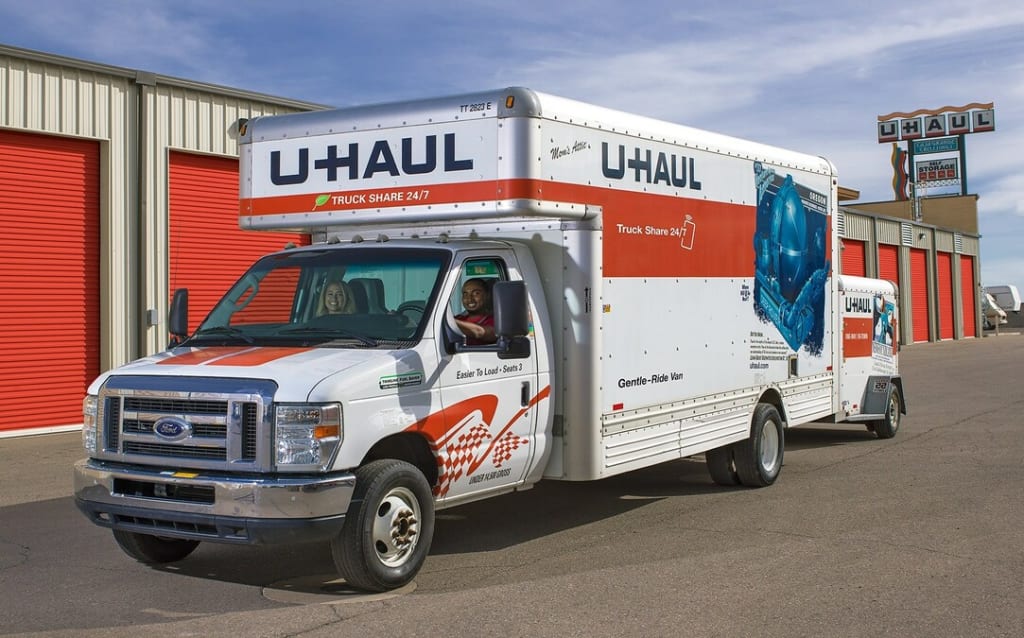
When planning a move, many people are attracted to the low daily rental price advertised by U-Haul. It’s not uncommon to see prices like $19.95 per day, which seems like a bargain for access to a moving truck. But anyone who has rented before knows that the final bill often looks very different from that initial quote.
That’s because the true cost of renting a moving truck goes beyond the daily base rate. Mileage fees, fuel, insurance, and even small add-on charges can add up quickly. If you don’t factor these in, you could end up overspending on your move.
This guide takes a closer look at the real costs of renting a U-Haul in 2025, explains what to expect, and shares money-saving tips to help you budget wisely.
1. Base Rental Fees: The Starting Point
U-Haul’s truck fleet comes in a variety of sizes, from compact cargo vans to massive 26-foot trucks that can handle large homes. Each size has its own base daily rental rate:
Cargo vans and 10-foot trucks: Often start at $19.95 per day.
15-foot and 17-foot trucks: Typically range from $29.95 to $34.95 per day.
20-foot and larger trucks: Around $39.95 or more per day.
These rates vary slightly depending on your location, time of year, and availability. While this price is affordable, it’s only the foundation of your moving costs.
2. Mileage Charges: The Hidden Cost That Adds Up
Mileage is where many renters get caught off guard.
For local moves, U-Haul charges a per-mile rate that usually ranges from $0.79 to $1.29 per mile. That means:
A 20-mile local move could add $15–$25 in mileage charges.
A 100-mile round trip could add $80–$120 to your bill.
For one-way rentals, U-Haul often includes an estimated mileage allowance in your quote. If you exceed that allowance, you’ll be charged per additional mile. This can be a lifesaver for long-distance moves, but going over the limit can still get costly.
3. Fuel Costs: The Price of a Full Tank
Fuel is another major factor to consider. U-Haul trucks are not fuel efficient — they’re designed for hauling heavy loads, not saving gas.
Here’s a rough idea of mileage per gallon (MPG):
10-foot truck: ~12 MPG
15-foot truck: ~10–12 MPG
20-foot truck: ~10 MPG
26-foot truck: ~8–10 MPG
At an average gas price of $4 per gallon, even a relatively short move can rack up $40–$60 in fuel costs. For longer trips, expect to spend several hundred dollars on gas alone.
Remember: U-Haul requires you to return the truck with the same fuel level you picked it up with. If not, they’ll refuel it for you — but at a much higher rate than the local gas station.
4. Insurance and Coverage Options
Accidents happen, and moving trucks aren’t always easy to handle, especially if you’re driving one for the first time. That’s where U-Haul’s coverage options come in:
SafeMove: Covers accidental damage to the truck and includes limited coverage for your belongings.
SafeMove Plus: Expands protection to include more liability coverage, often recommended for longer moves.
Safetow: Coverage for towing equipment if you’re pulling a trailer.
Costs vary but generally range from $15 to $40 per day, depending on the truck and coverage level. While these are optional, declining coverage could leave you responsible for costly repairs in case of damage.
5. Equipment and Add-On Costs
Most people need more than just the truck itself when moving. U-Haul charges for extra equipment that can make your move easier:
Hand trucks and dollies: $7–$10 each per rental.
Furniture pads/blankets: $5–$10 per dozen.
Appliance dollies: Around $10–$12.
Towing equipment: Can add $50 or more.
It’s easy to underestimate these add-ons, but they play a big role in both protecting your belongings and making the move smoother.
6. Deposits, Fees, and Extra Charges
Depending on how you pay, you might be asked for a deposit (usually $100 or more if paying cash). Credit card holds are also common.
Other potential fees include:
Late return charges: Daily or hourly late fees apply if you don’t bring the truck back on time.
Cleaning fees: If the truck is returned dirty.
Mileage overages: For one-way moves, going beyond your mileage allowance costs extra.
These small fees add up quickly and can significantly inflate the final cost of your rental.
7. Real-Life Example: Local vs. One-Way Move
Example 1: Local Move (within 20 miles)
Base rate: $29.95
Mileage (20 miles @ $1.09): $21.80
Fuel: $15
Insurance: $15
Equipment (dolly + pads): $17
Estimated total: $99.75
Example 2: One-Way Move (150 miles)
Base rate: $39.95
Mileage (150 miles included in quote): $0
Fuel (150 miles / 10 MPG = 15 gallons @ $4): $60
Insurance: $20
Equipment: $25
Estimated total: $144.95
These examples show how quickly costs can change depending on distance and needs.
8. Tips to Save Money on U-Haul Rentals
If you want to cut costs, a little planning goes a long way:
Book early – Prices increase as demand rises.
Move mid-week or mid-month – Weekends and end-of-month rentals are pricier.
Choose the right size truck – Don’t pay for space you don’t need, but don’t go too small and risk multiple trips.
Avoid extra mileage – Plan your routes carefully to limit unnecessary driving.
Return the truck on time and fueled – This avoids costly penalties.
Bring your own supplies – Borrow moving blankets or dollies from friends instead of renting.
9. Common Mistakes Renters Make
To stay on budget, avoid these pitfalls:
Ignoring fuel costs: Always check MPG and calculate in advance.
Underestimating mileage: Small detours add up fast.
Skipping insurance: Repairs could cost thousands if you’re not covered.
Renting too small a truck: This can force multiple trips, wasting money and time.
Conclusion: Planning Makes the Difference
Renting a U-Haul truck in 2025 can still be an affordable option for moving — as long as you know what to expect. While the advertised daily rate is attractive, the real costs come from mileage, fuel, insurance, and equipment. A short local move might cost under $100, but a longer or more complicated move can easily reach several hundred dollars.
The key is preparation. By calculating every expense ahead of time and planning your rental smartly, you can avoid surprises and keep your move within budget.
About the Creator
Keep reading
More stories from Nazeer Jani and writers in Wheel and other communities.
All Aboard for Adventure: Unveiling Amtrak Routes From New Orleans
Let's face it, road trips are fun - until they're not. Stuck in traffic? Cramped legs? Endless rest stops that make you question all your life choices? Amtrak routes from New Orleans offer the perfect escape. Sit back, relax, and let the world roll by your window. Amtrak boasts not one, but two amazing routes departing the Big Easy, each promising unique experiences and unforgettable journeys.
By Nazeer Jani2 years ago in Wheel
7 Cars You Should Never Buy Used in 2026
Buying a used car can be a smart way to save money, but not every vehicle holds up well over time. Some cars develop recurring mechanical issues, others come with expensive repair costs, and a few simply do not age gracefully. As we move into 2026, certain models and categories stand out as risky purchases in the used market. This article is not meant to criticize brands or owners, but to help buyers make informed decisions based on long-term reliability trends, ownership costs, and common complaints. Understanding which used cars to avoid can protect your budget and reduce stress after purchase.
By Austin Peck6 days ago in Wheel
Rego Hacks That Save Hundreds in 2026
Vehicle registration is one of those unavoidable expenses that many drivers accept without question, yet a closer look often reveals opportunities to save real money. As 2026 approaches, changes in transport policies, vehicle classifications, and digital systems mean drivers who stay informed can reduce rego costs legally and with minimal effort. Whether you own a daily commuter, a secondary car, or an aging vehicle you barely use, understanding how registration works can help you avoid paying more than necessary.
By Austin Peck5 days ago in Wheel




Comments
There are no comments for this story
Be the first to respond and start the conversation.