
How much does it cost to drive 100 km?
Real numbers, not guesses

Driving seems simple: get in, turn the key (or press the button), and go. But behind every kilometer are invisible costs that sneak up on your wallet. If you've ever wondered how much it really costs to drive 100 km, you're not alone. And the answer? It’s not just about fuel.
In 2025, the cost to drive 100 km can range anywhere from €5 to over €15, depending on what you drive, how you drive, and where you drive. Sounds vague? Let’s break it down.
Fuel: the most obvious cost (but not the only one)

Let’s start with the thing most drivers track — fuel or electricity.
- A small gasoline car uses about 6.5 liters per 100 km. At €1.70 per liter, that's €11.05.
- A diesel engine, using 5 liters per 100 km at €1.60, costs €8.
- Hybrid cars drop that even lower, to around €7–8, depending on conditions.
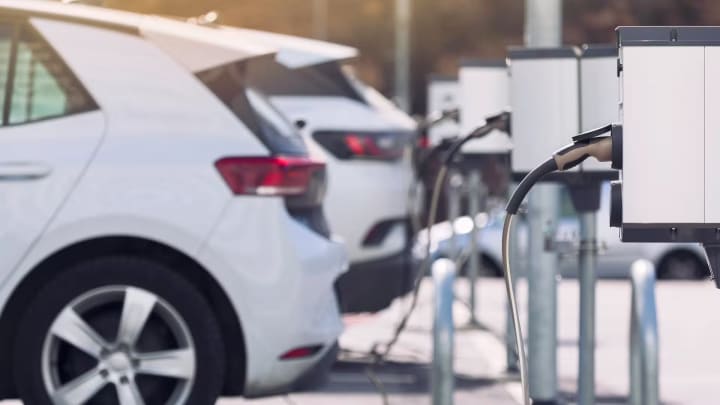
- Electric vehicles? With a 17 kWh/100 km usage and electricity at €0.30/kWh, you’re looking at €5.10 — sometimes even less if you charge at home during off-peak hours.
These are averages, not outliers. Fuel economy depends on driving habits, road types, weather, and even tire pressure.
Electricity is cheaper, right? not always
It’s true that EVs are more efficient, especially in city traffic. But public fast chargers can push the price per kWh up to €0.60 or more. That means your sleek electric car could suddenly cost €10+ per 100 km, especially on road trips. And that’s before you count the time you spend waiting for it to charge — time is money, too.
What drivers often forget: hidden costs
Most people calculate driving costs with just fuel in mind, but that’s just the tip of the iceberg.
Here are expenses that quietly chip away at your budget every 100 km:
- Maintenance: oil changes, filters, tires, brake pads — even EVs need servicing.
- Insurance: whether you drive or not, you’re paying monthly or yearly premiums.
- Depreciation: cars lose value with every kilometer. Some models more than others.
- Tolls and parking fees: especially in cities or when traveling across borders.
- Unexpected repairs: flat tires, dead batteries, or that weird clunking noise you’ve been ignoring.
When you factor these in, the real cost per 100 km jumps by another 30–50%. A trip that “only” cost €10 in fuel could realistically be closer to €14–€15.
Your car matters more than you think
Vehicle type plays a massive role. Let’s compare quickly — without a table this time:
- Gasoline cars are the most common but not the most efficient.
- Diesel cars are better for long-distance drivers.
- Hybrids are perfect for mixed driving with decent fuel savings.
- EVs are cheapest per km (if charged smart), but come with higher purchase prices.
- LPG or CNG cars can be economical, but fuel access varies a lot by region.
Spoiler: a used, well-maintained diesel hatchback might still be one of the cheapest ways to travel long distances.
Your driving style? it’s costing you more than you think
Driving habits can shift your costs significantly. Hard acceleration, speeding, unnecessary idling, or harsh braking increase fuel consumption — sometimes by 20% or more. On the flip side, smooth driving can save real money.
Here’s a quick mindset shift: instead of chasing lower fuel prices, focus on how you drive. It pays off faster.
So… what’s the magic number?
If you’re the average driver with a mid-sized petrol car, you’re probably paying somewhere between €11 and €14 per 100 km once everything is factored in. EV owners might get away with €6–8, unless they rely on fast charging. And if you drive aggressively? Add a few euros on top, easy.
100 km isn't free – but it can be smarter
We often treat driving like it costs only what the pump says. But over time, the hidden costs add up more than we expect. Whether you're commuting daily, planning a road trip, or just curious about your budget — knowing the full picture helps you make better decisions.
You don’t need to change your car overnight. Sometimes, checking tire pressure, planning routes smarter, and easing off the gas pedal is all it takes to drive cheaper — and cleaner.
Because 100 km is never just 100 km when it comes to your wallet.
About the Creator
Filmovody
Film enthusiast and editor at Filmovody.pl. I write about films that are worth seeing, whether they are blockbusters or hidden gems, so that viewers can discover powerful narratives in a variety of genres.
7 Cars You Should Never Buy Used in 2026
Buying a used car can be a smart way to save money, but not every vehicle holds up well over time. Some cars develop recurring mechanical issues, others come with expensive repair costs, and a few simply do not age gracefully. As we move into 2026, certain models and categories stand out as risky purchases in the used market. This article is not meant to criticize brands or owners, but to help buyers make informed decisions based on long-term reliability trends, ownership costs, and common complaints. Understanding which used cars to avoid can protect your budget and reduce stress after purchase.
By Austin Peck3 days ago in Wheel
Rego Hacks That Save Hundreds in 2026
Vehicle registration is one of those unavoidable expenses that many drivers accept without question, yet a closer look often reveals opportunities to save real money. As 2026 approaches, changes in transport policies, vehicle classifications, and digital systems mean drivers who stay informed can reduce rego costs legally and with minimal effort. Whether you own a daily commuter, a secondary car, or an aging vehicle you barely use, understanding how registration works can help you avoid paying more than necessary.
By Austin Peck2 days ago in Wheel




Comments
There are no comments for this story
Be the first to respond and start the conversation.