
How long do electric car batteries last?
Batteries are basically devices that store chemical energy that is converted into electricity. The modern battery was invented in 1800 by the Italian physicist Alessandro Volta. This amazing invention has enabled advanced devices such as laptops, smartphones, satellites and even electric vehicles to power much of the modern world.
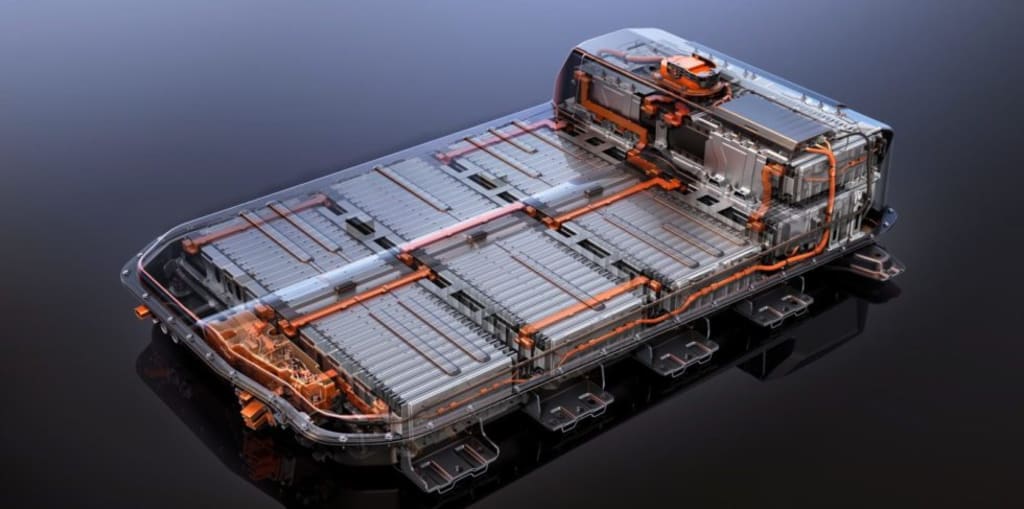
EV batteries require less maintenance
The battery, as well as many other components of an electric vehicle, require far less maintenance than their gasoline counterparts. As there are far fewer moving parts in electric motors compared to ICE engines—over two dozen fewer automotive components—there are fewer parts that could eventually fail or need replacing.
Plus, with fewer fluids, such as engine oil, as well as regenerative braking technology reducing brake wear, there is simply less which EV drivers have to worry about.
This fact alone has got dealers and mechanics worried about shrinking margins on EVs. Servicing and maintenance provide almost half of the average dealership’s income and EVs are also expected to outlive gas vehicles, so many of their clients won’t be upgrading them as often. However, whilst some are worried, Lawrence Burns, the ex-vice president of R&D at General Motors Co says that “fundamentally, this is just a better way to design and engineer a car.”
How long do EV batteries last?
Under current estimates, most EV batteries will last somewhere between 10-20 years before they need to be replaced.
However, according to a survey by Cox Automotive, many potential EV buyers have reservations when it comes to battery life and the costs associated with battery replacement.
For many considering purchasing an electric vehicle, just under half consider the average battery life to be less than 65,000 miles (+- 105,000 kms).
How much does an electric car battery cost?
The aforementioned fears are understandable: the battery pack of an EV is by far the most expensive part of the vehicle and can cost $5,000 on average and even as much as $15,000 per battery in some cases.
It’s important to note here that battery prices have fallen dramatically over the past decade. For example, the average price of a kilowatt-hour—the standard measure of a battery’s price—dropped from $1,160 per kWh in 2010 to just $137 in the past year.
That price is expected to fall to below $100 within three years; universally considered the point that EVs will cost as much as gasoline cars to manufacture.
Does EV charging affect the battery life?
In short, yes. Charging a battery does have an effect on your vehicle’s battery life.
One of the innovations that led to the rise of electric vehicles over the past decade is Lithium-ion batteries. Traditionally, most vehicle batteries were made from lead-acid and only had to start a vehicle’s motor with a short surge of power which would then be recharged as the vehicle drove by an on-board alternator. However, they were not ideal for discharging more than a few percent of their power and are often referred to as SLI batteries (starting, lighting, and ignition).
Comparatively, lithium-ion batteries are designed to handle a much higher density of energy. Both your cell phone and your laptop use lithium-ion batteries and much like the advancement in the technology of both over the past two decades, lithium-ion batteries have increased the potential to use electricity in vehicles. And these advances are only tipped to continue.
EV battery charging best practices
The improvement over the past decades in lithium-ion batteries has been significant. The advances have extended battery life, increased safety, and reduced the weight and price of battery packs. However, like all pieces of technology, if you care for them in the right way, you can extend their longevity and increase your return on investment.
Don’t charge your EV every night
Regardless of whether you’re only topping up the battery by a few percent or charging the vehicle fully, every time your battery charges, you put stress on the battery. As a result, the capacity of the battery is reduced by a fraction. To avoid this compounding over time, you shouldn’t plug your vehicle in every night. If you only charge your vehicle when it’s necessary, and not plugging the vehicle in as soon as you get home, you can extend your battery life.
Stay between 20 and 80 percent charge
Just like you shouldn’t plug your vehicle in every night, you also shouldn’t top it up to 100 percent when you don’t have to. A lithium-ion battery is designed to store large amounts of energy with a charge that ebbs and flows. However, frequently draining the cells too often or filling it up fully can, over time, reduce the battery’s capacity as a whole. The common advice is to stay between 20 and 80 percent charge and never let the battery die completely.
Control the optimal battery state of charge during long storage
Lastly, leaving your EV parked for too long with a full (or empty) battery also contributes to the degradation. To avoid this, if you’re going to spend a significant amount of time away from your vehicle, it’s recommended that you fill it up to somewhere between 25 and 75 percent. There are smart charging stations that can help you with this and make sure that your battery doesn’t go beyond these limits.
About the Creator
Keep reading
More stories from evmotorcity and writers in Wheel and other communities.
How Expensive Is EV Maintenance? The Answer May Surprise You
When a consumer considers making a long-term purchase — a house, car or major appliance — one of the biggest sticking points can be maintenance and the associated repair costs. For big-ticket items consumers are not as familiar with, like an electric vehicle (EV), it might not be readily apparent how much maintenance will be required.
By evmotorcity4 years ago in Wheel
The Ultimate Checklist Before Selling Your Car to a Wrecker
If your car has reached the end of its life or has serious damage, selling it to a wrecker can be a fast and convenient solution. Many car owners assume wreckers only provide scrap value, but professional wreckers often pay based on the condition and reusable parts of your vehicle.
By Alec Johnson3 days ago in Wheel
Why BMW Still Builds Inline-Six Engines When Others Don’t
For decades, most car manufacturers have moved toward smaller four-cylinder engines or compact V6 designs. They’re easier to package in modern cars, cheaper to build, and often simpler to fit into tight engine bays. Yet BMW continues to invest heavily in inline-six engines. From classic engines like the M54 to modern units such as the B58 and S58, the straight-six remains central to the brand’s identity. The reason isn’t nostalgia, it’s engineering.
By MT Auto Parts – BMW Specialists from the UKabout 17 hours ago in Wheel


Comments
There are no comments for this story
Be the first to respond and start the conversation.