
How Electric Bikes in NZ Are Changing the Way Kiwis Commute – Is It Time to Switch?
The Ultimate Guide to Electric Biking in New Zealand: Best E-Bikes, Accessories & Clothing

Introduction
Commuting to work or school in New Zealand can be a significant challenge for many individuals. Issues such as increasing traffic congestion, inconsistent public transportation services, and rising fuel costs contribute to a stressful and costly daily journey.
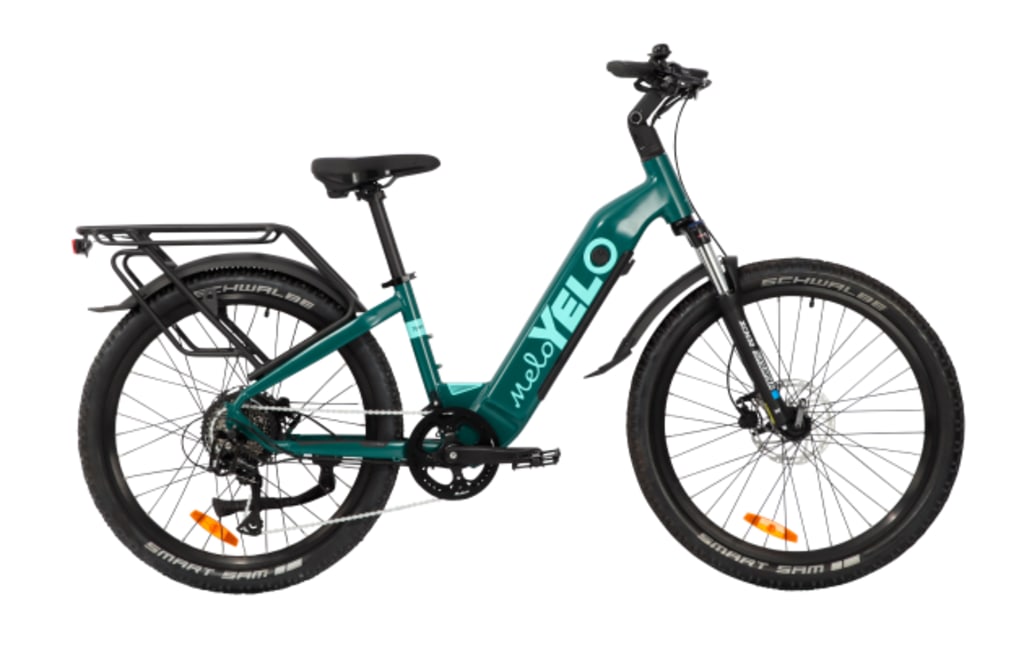
However, electric bikes in NZ are emerging as a practical and popular alternative. E-bikes offer a faster, more economical, and traffic-free way to travel. They are user-friendly, environmentally sustainable, and provide an enjoyable commuting experience. Is an electric bike in NZ the ideal option for your daily travel needs?
The Growing Popularity of Electric Bikes in NZ
More People Are Choosing E-Bikes
Electric bikes are gaining significant traction across New Zealand. Year after year, an increasing number of Kiwis are opting for e-bikes over traditional cars or public transport. Bike shops are witnessing a surge in e-bike sales, as more people discover the convenience and advantages of this eco-friendly mode of transportation.
Government Backing for Electric Bikes in NZ
The New Zealand government is actively encouraging the adoption of e-bikes. Many local councils provide incentives such as discounts or financial assistance to those purchasing electric bikes. Additionally, the government is investing in improved cycling infrastructure, including better bike lanes and safer roads for cyclists. These initiatives are making it easier and safer for residents to embrace electric bikes as a practical commuting solution.
Why More Kiwis Are Switching to E-Bikes
E-Bikes Help You Save Money
Owning a car can be a significant financial burden, with costs piling up for fuel, insurance, maintenance, and parking. Even public transport can become expensive over time. In contrast, an e-bike only requires charging the battery, which is far more affordable than purchasing petrol. Additionally, e-bikes have fewer mechanical components, reducing the need for costly repairs and saving you money in the long run.
E-Bikes Are Convenient and Save Time
Few people enjoy being stuck in traffic or waiting for delayed buses. E-bikes offer a practical solution, allowing you to bypass traffic jams and reach your destination more quickly. With the ability to take shortcuts, use dedicated bike lanes, and park effortlessly, e-bikes provide unmatched convenience. You no longer need to rely on bus schedules or endure crowded trains, making your daily commute smoother and more efficient.
E-Bikes Are Better for the Environment
Traditional cars and buses contribute to pollution, negatively impacting the environment. E-bikes, on the other hand, produce zero emissions and consume minimal electricity. By opting for an e-bike, you’re helping to keep New Zealand’s air clean and reducing your carbon footprint. It’s a simple yet impactful way to contribute to a healthier planet while enjoying a sustainable mode of transportation.
How E-Bikes Are Transforming Daily Commutes
Commuting Without the Stress of Traffic
Traffic jams often turn daily commutes into slow and frustrating experiences. However, with an e-bike, you can bypass traffic congestion and take quicker, more efficient routes. Say goodbye to the hassle of being stuck in long lines of cars and enjoy a smoother, stress-free journey.
Better Accessibility in Urban and Rural Areas
E-bikes are versatile, making them ideal for both urban and rural settings. In bustling cities, they allow you to navigate bike lanes and avoid crowded roads. In rural areas, e-bikes make it easier to cover longer distances without exhaustion. Whether you live in a busy city or a quiet countryside, e-bikes simplify your commute.
Reduced Reliance on Public Transport
Public transport, such as buses and trains, can often be overcrowded and unreliable. With an e-bike, you no longer need to depend on schedules or deal with delays. You have the freedom to leave whenever you choose and arrive at your destination on time, making your daily commute more convenient and predictable.
Comparing E-Bikes vs. Other Modes of Transport
E-Bikes vs. Cars
E-bikes are significantly more affordable to own and maintain compared to cars. Unlike cars, they don’t require fuel, parking fees, or costly repairs. Additionally, e-bikes allow you to bypass traffic congestion and contribute to reducing pollution, making them a smarter and greener choice for daily travel.
E-Bikes vs. Traditional Bikes
While traditional bikes demand more physical effort, especially on hills or during long rides, e-bikes provide an extra boost of power when needed. This makes cycling easier, more enjoyable, and accessible to a wider range of people, regardless of fitness levels or terrain challenges.
E-Bikes vs. Public Transport
Public transport can often be slow, overcrowded, and inconvenient. E-bikes, on the other hand, give you the freedom to travel on your own schedule without waiting for buses or trains. You also eliminate the recurring expense of fares, making e-bikes a more flexible and cost-effective commuting option.
Conclusion: Is It Time to Make the Switch?
E-bikes are transforming the way Kiwis travel, offering a cost-effective, time-saving, and health-boosting alternative to traditional commuting. They also play a significant role in protecting the environment by reducing pollution. With increasing government support, advancements in technology, and the development of more bike-friendly infrastructure, e-bikes are becoming an excellent choice for daily travel.
If you’re searching for an affordable, enjoyable, and eco-friendly way to get around, an e-bike could be the ideal solution. Why not give it a try and experience how it can enhance your daily commute?
FAQs
Are electric bikes legal in New Zealand?
Yes, electric bikes are legal in New Zealand. To be classified as a bicycle, the motor must not exceed 300 watts. Riders must also follow the same road rules as traditional cyclists.
How far can an e-bike travel on a single charge?
The range of an e-bike depends on factors like battery capacity, motor power, terrain, and rider weight. Most e-bikes in NZ can travel between 40 to 100 km on a single charge.
Do you need a license to ride an electric bike in NZ?
No, a license is not required to ride an e-bike in New Zealand, provided the motor does not exceed 300 watts. If the motor is more powerful, the e-bike may be classified as a motor vehicle, requiring registration and a license.
Are there government subsidies for e-bikes?
While there is no nationwide subsidy program for e-bikes in New Zealand, some local councils offer incentives. It’s recommended to check with your local authority for any available programs.
Can I ride an e-bike in the rain?
Yes, most e-bikes are designed to handle light rain. However, it’s important to avoid deep puddles and ensure the battery and electrical components are well-sealed. Using mudguards and wearing waterproof gear can make riding in wet conditions more comfortable.
About the Creator
Common Mercedes Repair Issues Drivers Experience As Their Vehicle Ages
Mercedes-Benz is a constant competitor when it comes to discussing the best luxury brands. By combining high-end materials and superior craftsmanship, Mercedes models continue to be highly desirable even as they age. Buying an older Mercedes has become the go-to option for drivers looking for luxury on a more reasonable budget. Whether you’re looking at buying an older Merc, or just can't seem to part ways with your aging Bavarian, these are some of the common Mercedes repair tasks to be aware of.
By Foreign Affiars Motorsport7 days ago in Wheel


Comments
There are no comments for this story
Be the first to respond and start the conversation.