
How an unknown Japanese brand became one of the most recognizable: The story of Supra
Evolution of the Supra brand
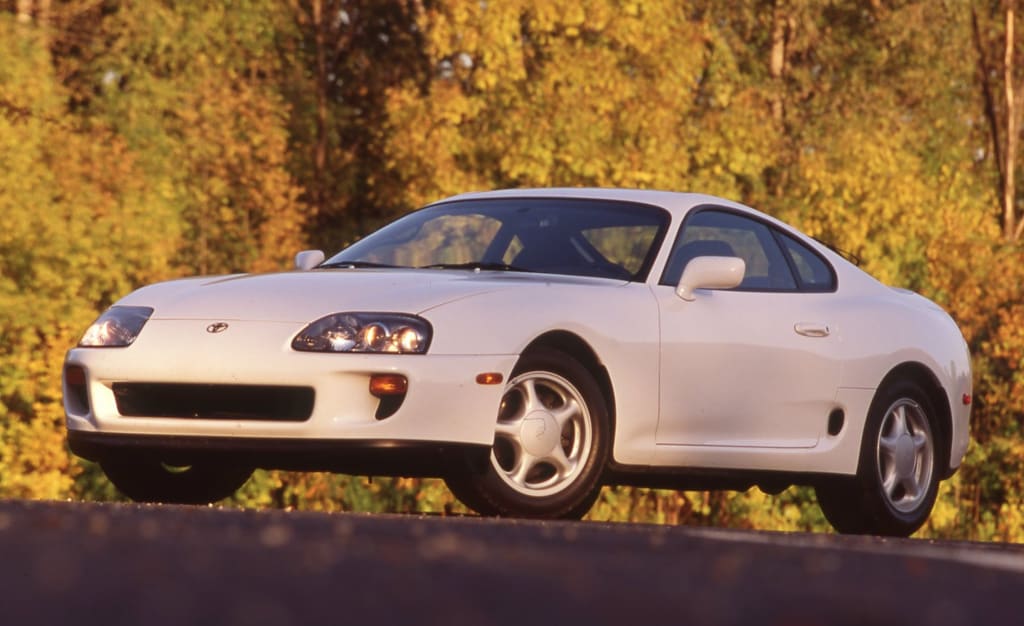
The Toyota Supra has been an icon in the automotive industry for over 40 years. From its debut in 1978 to its current fifth-generation model, the Supra has gone through several changes and updates that have made it one of the most beloved sports cars of all time. In this blog post, we will explore the evolution of the Toyota Supra, from its humble beginnings to the current powerhouse that it is today.
First Generation (1978-1981)
The first-generation Toyota Supra, also known as the Celica Supra, was introduced in 1978 as a luxury grand tourer. It was based on the Toyota Celica and was larger and more powerful than its sibling. The Supra was equipped with a 2.6-liter inline-six engine that produced 110 horsepower and 136 lb-ft of torque.
One of the notable features of the first-generation Supra was its distinctive styling. It had a long, sleek hood and a short rear deck that gave it a sporty appearance. It also had pop-up headlights, which became a signature feature of the Supra.
Second Generation (1982-1986)
The second-generation Toyota Supra was introduced in 1982 and was again based on the Celica. It was larger than the first generation and featured a new, more powerful engine. The Supra was now equipped with a 2.8-liter inline-six engine that produced 145 horsepower and 155 lb-ft of torque.
The second-generation Supra also had a redesigned body with a more aerodynamic shape. It had a larger front grille and a new rear spoiler that improved the car's handling at high speeds. The pop-up headlights were still present, but they were now rectangular in shape.
Third Generation (1986-1993)
The third-generation Toyota Supra, also known as the Mark III, was introduced in 1986. It was a complete redesign from the previous generation and was no longer based on the Celica. Instead, it was built on its own platform and was larger and more powerful than its predecessors.
The third-generation Supra was now equipped with a turbocharged 3.0-liter inline-six engine that produced 230 horsepower and 246 lb-ft of torque. It also had an advanced suspension system that improved the car's handling and a new electronic control system that allowed the driver to adjust the car's settings for different driving conditions.
One of the most significant changes in the third-generation Supra was its styling. It had a more angular body with a sharp front end and a long, sloping rear deck. The pop-up headlights were still present, but they were now rectangular in shape and had a more modern look.
Fourth Generation (1993-2002)
The fourth-generation Toyota Supra, also known as the Mark IV, was introduced in 1993. It was the most powerful and advanced Supra yet and was considered a technological marvel at the time.
The fourth-generation Supra was equipped with a twin-turbocharged 3.0-liter inline-six engine that produced 320 horsepower and 315 lb-ft of torque. It also had an advanced suspension system, a six-speed manual transmission, and an electronic control system that allowed the driver to adjust the car's settings for different driving conditions.
The fourth-generation Supra was also notable for its styling. It had a more rounded body with a sleek front end and a short, sloping rear deck. The pop-up headlights were gone, replaced by fixed headlights that gave the car a more modern look.
Fifth Generation (2019-present)
After a 17-year hiatus, the Toyota Supra returned for its fifth generation in 2019. This time, it was a collaboration between Toyota and BMW, and the Supra was based on the BMW Z.
How the Supra changed the automotive industry.
Advanced Technology
One of the ways the Supra changed the automotive industry was through its advanced technology. The Supra was one of the first sports cars to introduce a turbocharged engine, which became a common feature in other sports cars. It was also one of the first cars to use an electronic control system that allowed the driver to adjust the car's settings for different driving conditions. This technology was later adopted by other automakers and became standard in many sports cars.
The Supra also introduced advanced suspension systems that improved the car's handling and made it more stable at high speeds. The fourth-generation Supra, in particular, was a technological marvel with its twin-turbocharged engine, six-speed manual transmission, and advanced electronic control system. This car set a new standard for sports cars and influenced the development of many other high-performance vehicles.
Distinctive Styling
Another way the Supra changed the automotive industry was through its distinctive styling. The Supra was designed to be a luxury grand tourer, but it also had a sporty appearance that made it stand out from other cars in its class. Its long, sleek hood, short rear deck, and pop-up headlights became signature features of the Supra and influenced the design of many other sports cars.
The third-generation Supra, in particular, had a unique and angular body that was unlike anything else on the market. Its sharp front end and long, sloping rear deck gave it a futuristic appearance that was ahead of its time. The fourth-generation Supra was also notable for its rounded body and fixed headlights that gave it a modern look.
Inspiration for Other Cars
Finally, the Supra has inspired other automakers to design and build their sports cars. The Supra's advanced technology and distinctive styling have been mimicked by other cars in the industry. For example, the Nissan 300ZX, Mazda RX-7, and Mitsubishi 3000GT were all introduced in the late 1980s and early 1990s and were direct competitors to the Supra. These cars borrowed many of the Supra's features and helped to establish the Japanese sports car market.
Even today, the Supra continues to influence other cars in the industry. Its collaboration with BMW for the fifth-generation model has inspired other automakers to collaborate and share technology and resources to produce high-performance cars. The Supra's legacy lives on, and it will continue to inspire and influence the automotive industry for years to come.
The Toyota Supra has changed the automotive industry in many ways. Its advanced technology, distinctive styling, and inspiration for other cars have made it an icon in the sports car world. As the Supra continues to evolve and adapt to new technologies, it will undoubtedly continue to influence and shape the industry.
Smokey Nagata
Smokey Nagata's Supra is a legendary car that has gained notoriety in the automotive world for its extreme performance and daring feats of speed. Smokey Nagata is a Japanese tuner and driver who has been building and racing high-performance cars for over 30 years. This car helped spread the popularity of Supra.
History
Smokey Nagata's Supra first gained fame in the mid-1990s when Nagata drove it from London to Tokyo in under 24 hours. This was an incredible feat that required him to maintain an average speed of over 100 mph for the entire journey. Nagata was stopped by police multiple times during the trip, and his car was impounded, but he eventually made it to Tokyo in just 18 hours and 50 minutes.
Since then, Nagata has continued to modify and race his Supra, pushing it to its limits and setting records along the way. He has raced it in various events and competitions, including the Silver State Classic Challenge, where he has achieved impressive speeds of over 200 mph.
Specifications
Smokey Nagata's Supra is a fourth-generation model that was originally produced between 1993 and 1998. The car is powered by a 2JZ-GTE inline-six engine that has been heavily modified to produce over 1000 horsepower. The engine features upgraded turbos, fuel injectors, and exhaust system, among other modifications.
The Supra's exterior has also been modified with a custom widebody kit that provides improved aerodynamics and allows for wider tires. The car sits on 18-inch wheels with performance tires and has a lowered suspension to improve handling.
The interior of the Supra has been stripped down and fitted with a roll cage, racing seats, and a fire suppression system for safety. The car also features a variety of gauges and displays to monitor engine performance and other vital statistics.
Legacy
Smokey Nagata's Supra has become a legend in the automotive world for its extreme performance and daring feats of speed. The car has been featured in numerous magazines, television shows, and videos, and has inspired a generation of car enthusiasts to push the limits of what is possible.
Nagata's Supra has also influenced the development of other high-performance cars, particularly in the tuning community. The 2JZ-GTE engine that powers the Supra has become a popular choice for tuners looking to build high-horsepower cars, and the Supra's custom widebody kit has inspired similar designs for other cars.
About the Creator
Top 10 Pickup Trucks Every Aussie Should Consider in 2026
Choosing the right pickup truck can make a huge difference in daily life, whether you’re hauling gear for work, towing a trailer, or exploring the Australian outback. With 2026 just around the corner, several models are standing out for their performance, reliability, and features. In this guide, we’ll cover the top 10 pickup trucks that every Aussie should consider this year, helping you to pick the right vehicle for your daily life and long-term plans.
By Alec Johnson7 days ago in Wheel
Smart phones, Humans and Aliens.
WARNING. I will be tapping into one of your favorite creative tensions: The absurdity of humans worshipping their glowing rectangles as if they were tiny oracles. There’s something deliciously poetic about that contradiction, and it lends itself beautifully to an instructive proviso.
By Novel Allen5 days ago in Poets


Comments
There are no comments for this story
Be the first to respond and start the conversation.