
Futuristic Aviation
Inside the World’s Largest Jet Engine Factories

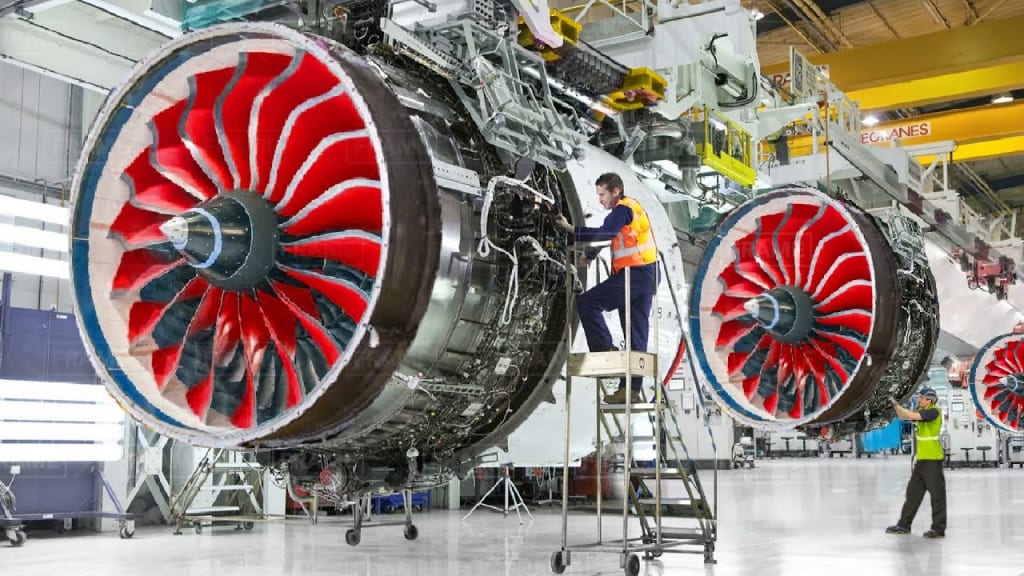
Aviation has come a long way since the dawn of the first jumbo jet, the Boeing 747, which revolutionized air travel in the 1970s. The need for powerful engines to lift these enormous machines off the ground and propel them through the skies has only grown over the decades. Today, only a handful of companies in the world are capable of manufacturing the engines that power these 200-ton giants. Among the leaders in this highly specialized industry are Rolls-Royce and General Electric (GE), whose jet engines are the lifeblood of the modern aviation industry. In this blog, we’ll take an inside look at the manufacturing process of these cutting-edge engines and explore how these giants of the sky are built and tested.
The process of developing a jet engine is a meticulous and lengthy endeavor. For a leading aircraft engine manufacturer like Rolls-Royce, it can take years of research, development, and testing before an engine is ready to be mounted on a commercial airliner. Rolls-Royce is renowned for producing some of the finest and most powerful engines in the world, including the ones that power the largest airliners like the Airbus A380 superjumbo and Boeing 787 Dreamliner. One of the most successful products in Rolls-Royce's lineup is the Trent family of engines. The Trent 700 is the company’s best-seller, while the Trent XWB is known as the world’s most efficient large civil engine. These engines are not only powerful but are also designed to be fuel-efficient and environmentally friendly, helping airlines save millions of dollars in fuel costs while reducing their carbon footprint.
The manufacturing process begins with the engine fan case, which houses critical components such as wiring, pipes, and fan blades. The fan case is designed to be hollow, allowing for better airflow, which is crucial for the engine's efficiency. At the heart of every engine is a ring of 96 turbine blades that channel air smoothly into the engine, ensuring optimal performance. To prevent these blades from melting during operation, Rolls-Royce employs advanced software to design tiny air holes in the blades, allowing for cooling during the engine's intense operation.
The next critical component in the engine assembly is the fan attachment. The large front fan is one of the most distinctive features of a modern jet engine. Unlike older turbojets, these fans are designed to maximize airflow while minimizing noise. Each blade is made from high-quality metal, engineered for optimal performance and reduced noise levels. A single fan blade can cost as much as an average family car, underscoring the precision and value of these components. Once the fan and other components are assembled, the engine is subjected to rigorous testing. The engine is placed in a test bed, a large facility where the engine is held securely while undergoing a battery of tests. These tests are designed to evaluate the engine's performance under various conditions, including startup, emergency shutdowns, and even potential collisions with foreign objects. One of the most critical tests is the vibration test, where compressed air is blown onto the fan blades to simulate operational conditions and ensure the engine can withstand the stresses of flight.
General Electric (GE) Aviation

General Electric (GE) Aviation, a division of the multinational conglomerate General Electric, boasts a history spanning over a century. Established in 1917, GE Aviation has evolved into one of the world’s premier manufacturers of aircraft engines, avionics, and integrated systems, serving commercial, military, and business aviation markets. GE Aviation's extensive global footprint includes operations in over 80 facilities across multiple continents, supported by a workforce of more than 40,000 employees. This expansive network enables the company to meet the diverse needs of its global clientele, ranging from major airlines and defense contractors to private jet manufacturers.
The company's success is rooted in a culture of relentless innovation and a steadfast commitment to excellence. GE Aviation consistently invests over $1 billion annually in research and development, a significant commitment that underscores its dedication to staying at the cutting edge of aerospace technology. This continuous investment has enabled GE Aviation to pioneer advancements in engine performance, fuel efficiency, and reliability, ensuring that its products meet the ever-evolving demands of the aviation industry. From developing the first U.S. jet engine in the 1940s to introducing groundbreaking composite materials in its engines, GE Aviation has been a trailblazer in aerospace engineering. Its engines are renowned for their durability and efficiency, making them the preferred choice for a wide range of aircraft, including commercial airliners, military jets, and business aircraft. With a rich history of innovation and a strong commitment to the future, GE Aviation remains a leader in the aerospace industry, poised to continue shaping the future of aviation for decades to come.
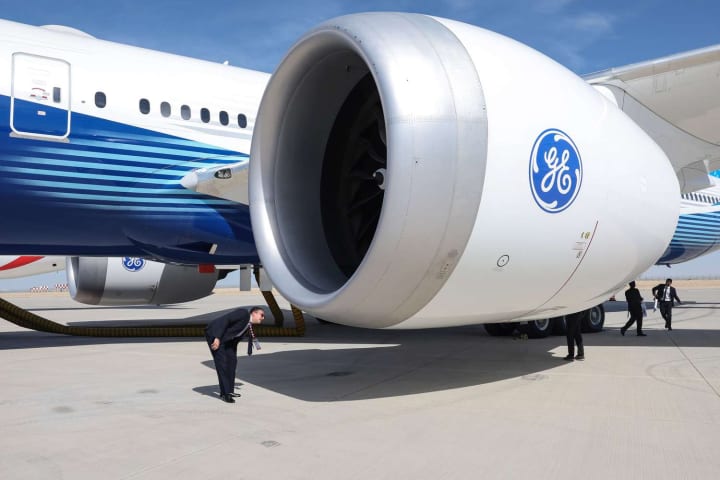
GE Aviation has been a pioneer in several key areas of aerospace technology. One of its most significant contributions to the industry was the development of the first U.S. jet engine in 1942, the I-A, which powered the Bell XP-59A Airacomet, the United States' first jet fighter. This breakthrough established GE as a leader in jet engine technology, a position it has maintained through continuous innovation. In the commercial aviation sector, GE Aviation made a significant impact with the introduction of the GE90 engine in the 1990s, which was the first commercial jet engine to feature composite fan blades made from carbon fiber. This innovation not only made the engine lighter and more fuel-efficient but also set a new standard for durability and performance in the industry.
Performance and Product Portfolio
GE90 Engine
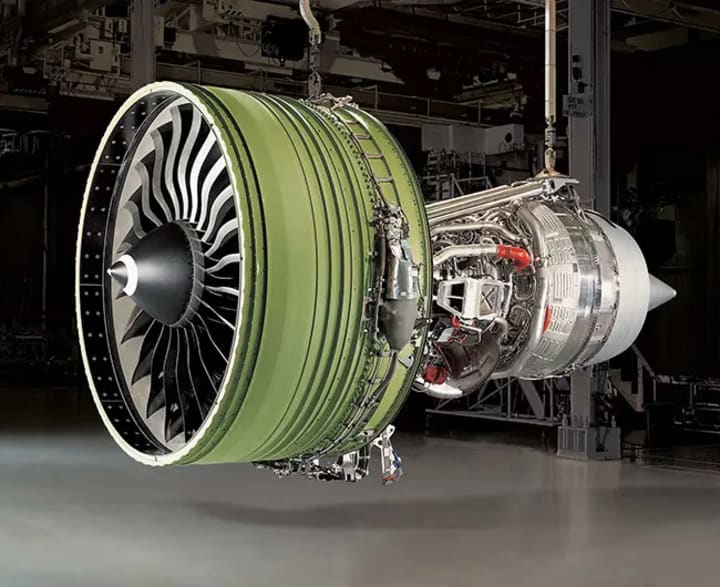
The GE90 engine, a marvel of engineering, was specifically designed for the Boeing 777, one of the most successful wide-body aircraft in aviation history. Introduced in the 1990s, the GE90 quickly set new standards in the industry, becoming the most powerful and efficient jet engine of its time. It holds the record for the highest thrust ever recorded for a commercial jet engine, at an astonishing 127,900 pounds. The GE90's design features revolutionary composite fan blades made from carbon fiber, which are not only larger and lighter than conventional titanium blades but also more aerodynamic. This innovation allows the engine to achieve remarkable efficiency, significantly reducing fuel consumption and operational costs for airlines. Additionally, the engine’s high bypass ratio enhances its fuel efficiency while contributing to a quieter operation, a crucial factor in modern aviation. Reliability is another hallmark of the GE90. The engine undergoes rigorous testing, including icing tests, ground runs, and fan blade assessments, to ensure it meets the highest safety and performance standards. This dedication to quality has made the GE90 a trusted choice for airlines worldwide, with the engine powering more than 2,000 Boeing 777 aircraft in service today. Its unparalleled combination of power, efficiency, and reliability has cemented the GE90's legacy as one of the most successful jet engines in aviation history.
GEnx Engine
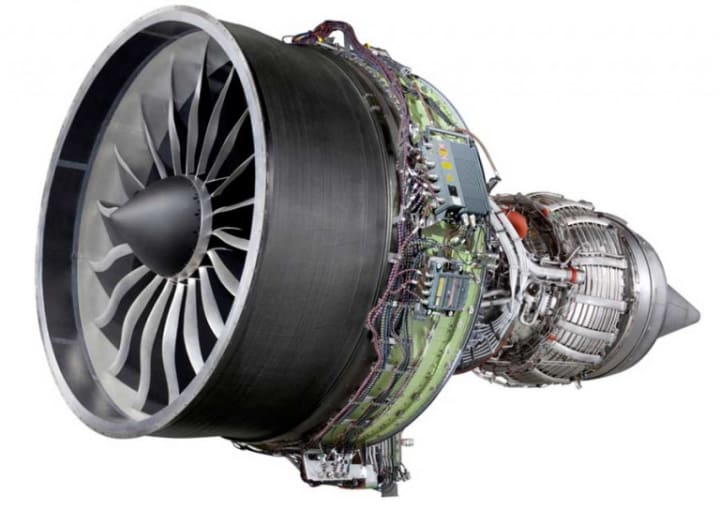
The GEnx engine represents the next generation of jet propulsion technology, powering the Boeing 787 Dreamliner and the 747-8, two of the most advanced aircraft in the skies today. Building on the success of its predecessors, the GEnx engine incorporates cutting-edge materials and design innovations that set new benchmarks for fuel efficiency, environmental performance, and noise reduction. One of the standout features of the GEnx engine is its use of lightweight, durable composite materials, including the composite fan blades and fan case. These materials, combined with an advanced, more aerodynamically efficient design, contribute to a significant reduction in fuel consumption, making the GEnx one of the most fuel-efficient engines in its class. This efficiency translates directly into lower operating costs for airlines and reduced carbon emissions, aligning with the industry's growing focus on sustainability. The GEnx engine is also renowned for its low noise output, achieved through innovations like the chevron nozzle design, which reduces noise levels without compromising performance. This makes the GEnx particularly well-suited for modern aircraft operating in noise-sensitive environments. With its exceptional performance, reliability, and environmental benefits, the GEnx has become one of the best-selling engines in GE Aviation’s history. Its success in the market is a testament to its ability to meet the evolving demands of the global aviation industry.
CF34 Engine
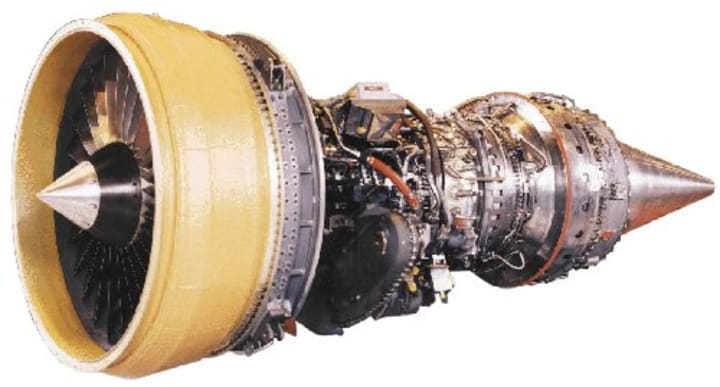
The CF34 engine is the backbone of the regional jet market, powering aircraft such as the Bombardier CRJ series and the Embraer E-Jets. Since its introduction, the CF34 has become synonymous with reliability and efficiency, earning a reputation as one of the most dependable engines in aviation. Designed to meet the specific needs of regional carriers, the CF34 engine combines robust performance with cost-effectiveness. It has logged millions of flight hours across thousands of aircraft, proving its durability and reliability in a variety of operating conditions. The engine's robust design ensures minimal downtime, contributing to the high operational availability that regional airlines require. In addition to its proven reliability, the CF34 engine is also noted for its fuel efficiency, which helps operators keep costs low while minimizing environmental impact. Its low noise and emissions profiles make it a suitable choice for regional airports that often have strict environmental regulations. As regional aviation continues to grow, the CF34 engine remains a critical component of the industry, helping airlines provide reliable and efficient service to communities around the world.
LEAP Engine
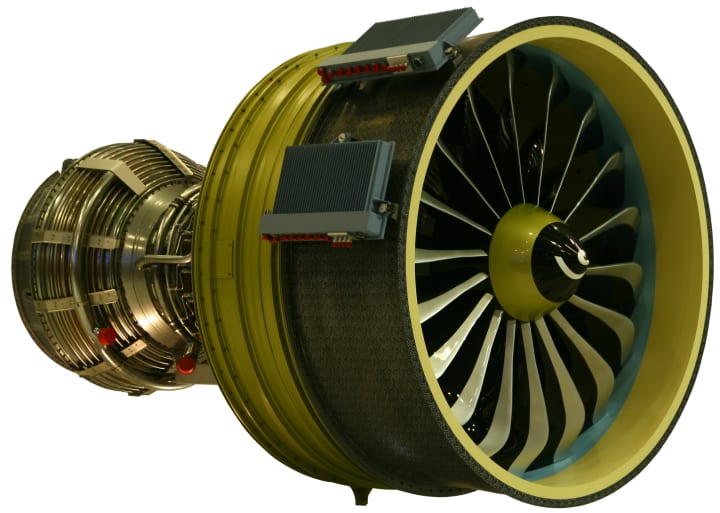
The LEAP engine, developed by CFM International—a joint venture between GE and Safran Aircraft Engines—represents the pinnacle of modern commercial aviation technology. It powers the latest generation of single-aisle aircraft, including the Airbus A320neo, Boeing 737 MAX, and COMAC C919, and is designed to deliver unparalleled efficiency and environmental performance. One of the key innovations of the LEAP engine is its use of advanced materials such as ceramic matrix composites (CMCs) and 3D-printed components. These materials are not only lighter and stronger than traditional metals but also capable of withstanding higher temperatures, which improves the engine's efficiency and reduces fuel consumption. This technological leap has enabled the LEAP engine to achieve a 15% improvement in fuel efficiency compared to its predecessors, making it a critical component in the aviation industry’s efforts to reduce greenhouse gas emissions. The LEAP engine is also engineered to be significantly quieter than previous engines, thanks to its advanced acoustic treatment technologies. This reduction in noise is particularly important for airlines operating in noise-sensitive areas, such as urban airports. Since its introduction, the LEAP engine has quickly become a market leader, with thousands of orders from airlines around the world. Its combination of fuel efficiency, environmental performance, and operational reliability makes it a popular choice for airlines seeking to modernize their fleets and reduce their environmental impact.
F110 Engine
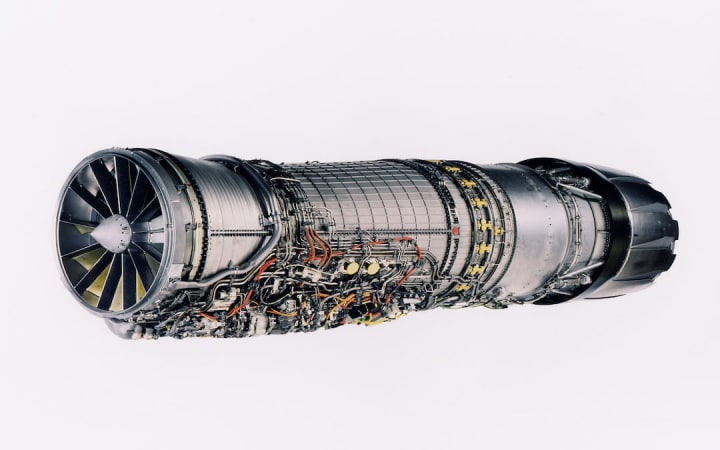
The F110 engine is a cornerstone of military aviation, powering some of the most iconic fighter jets in service today, including the F-16 Fighting Falcon and the F-15 Eagle. Known for its exceptional performance, reliability, and adaptability, the F110 has been a critical asset to air forces around the world for decades. Designed for high-performance fighter aircraft, the F110 engine delivers the thrust and speed required for modern air combat. Its advanced design allows it to operate effectively in a wide range of conditions, from high-altitude dogfights to low-level ground attack missions. The engine's afterburner capability provides an additional thrust boost, crucial for quick acceleration and supersonic flight. The F110 engine's reliability is another key factor in its success. It has undergone extensive testing and continuous improvement to ensure it meets the rigorous demands of military operations. This includes enhanced durability to withstand the stresses of combat and a modular design that facilitates maintenance and reduces downtime. With its proven track record in some of the most demanding environments, the F110 engine continues to be a preferred choice for air forces around the world. Its ability to deliver unmatched performance and reliability makes it a vital component of modern military aviation.
Performance and Market Position
GE Aviation's strong market position in the global aviation industry is underpinned by its relentless commitment to innovation, quality, and sustainability. The company has established itself as a leading player in both the commercial and military aviation sectors, with its engines renowned for their exceptional performance, reliability, and durability. This reputation has made GE Aviation a trusted partner for airlines and military operators around the world. A critical factor contributing to GE Aviation’s success is its focus on continuous improvement. The company invests heavily in research and development, spending over $1 billion annually to integrate the latest technologies and materials into its engine designs. This ongoing commitment to innovation ensures that GE Aviation’s products remain competitive and capable of meeting the ever-changing demands of the aviation industry. As a result, GE Aviation has secured a substantial share of the global jet engine market, with its engines powering more than 33,000 aircraft worldwide. This vast presence underscores the company's ability to deliver engines that meet the diverse needs of various aircraft, from commercial airliners to military jets and business aircraft.
In addition to performance and reliability, GE Aviation has also made significant strides in sustainability. The company recognizes the growing importance of reducing the environmental impact of aviation and has focused on developing engines that are more fuel-efficient and environmentally friendly. A prime example of this is the LEAP engine, which was developed through CFM International, a joint venture between GE and Safran Aircraft Engines. The LEAP engine offers a 15% improvement in fuel efficiency compared to its predecessor, the CFM56, while also meeting stringent environmental standards for emissions and noise reduction. This focus on sustainability not only aligns with global environmental goals but also provides airlines with the economic benefits of reduced fuel consumption and lower operating costs. Through its combination of high performance, reliability, and a commitment to innovation and sustainability, GE Aviation has solidified its position as a leader in the aviation industry, continuing to shape the future of air travel with its cutting-edge technology and forward-thinking approach.
Challenges and Future Outlook
Despite its successes, GE Aviation faces several challenges, including intense competition from other major engine manufacturers like Rolls-Royce and Pratt & Whitney. Additionally, the aviation industry’s increasing focus on sustainability and the development of alternative propulsion systems, such as electric and hybrid-electric engines, presents both opportunities and risks for the company. To address these challenges, GE Aviation is investing heavily in research and development, exploring new technologies such as additive manufacturing, advanced materials, and digital engines that use data analytics to optimize performance and maintenance. These efforts are aimed at ensuring that GE Aviation remains a leader in the industry, capable of meeting the evolving needs of its customers. GE Aviation’s rich history, strong market position, and commitment to innovation have made it a powerhouse in the jet engine manufacturing industry. With a focus on continuous improvement and sustainability, the company is well-positioned to navigate the challenges and opportunities that lie ahead, ensuring its continued success in the competitive aerospace market.
Engines Installation and Military Applications
After passing all tests, the engines are ready for installation on aircraft. The engines are placed into pods, which protect them from external damage and provide additional safety features. These pods are then attached to pylons, which are mounted slightly forward of the wing to prevent flutter and ensure stable flight. The entire installation process is carefully controlled to meet the highest safety standards. While commercial aviation remains a significant focus for engine manufacturers, companies like Airbus also produce engines for military applications. For instance, the Airbus A400M Atlas, a four-engine turboprop military transport aircraft, is designed for both tactical airlifting and strategic missions. The construction of military aircraft involves meticulous processes, such as the precise positioning of fuselage sections and the use of 3D-printed devices to ensure the structural integrity of the aircraft.
The Future of Jet Engine Manufacturing
The future of jet engine manufacturing is increasingly being shaped by cutting-edge technologies and a focus on sustainability. As the aviation industry grapples with the challenges of reducing carbon emissions and improving fuel efficiency, innovation in manufacturing processes and materials is becoming more critical than ever.
One of the most promising areas of development is the integration of advanced robotics and automation into the manufacturing process. The U.S. Air Force is at the forefront of this effort, with initiatives aimed at enhancing manufacturing quality, reducing costs, and improving safety through the use of sophisticated robotic systems. A prime example is the A5 robotic system, a versatile and highly advanced robot designed for aerospace applications. This robot is capable of operating in confined spaces on the factory floor, performing complex tasks such as coating removal with a level of precision that surpasses manual methods. By using real-time sensor feedback, the A5 robot can adapt to the specific requirements of each task, ensuring consistent quality and reducing the likelihood of human error.
The implications of such technologies for the jet engine manufacturing industry are profound. The A5 robotic system, for instance, is expected to significantly reduce maintenance periods and associated costs, a critical consideration in an industry where downtime can be extremely expensive. Moreover, the ability to perform tasks in confined spaces means that these robots can work on components that would otherwise be difficult or dangerous for human workers to access. In addition to robotics, advancements in materials science are also set to play a key role in the future of jet engine manufacturing. The development of lighter, stronger materials—such as ceramic matrix composites and carbon-fiber-reinforced polymers—is enabling the creation of engines that are not only more fuel-efficient but also more durable and capable of withstanding higher temperatures.
Sustainability remains a driving force behind many of these innovations. The aviation industry is under pressure to reduce its carbon footprint, and the development of more efficient engines is a crucial part of this effort. As new materials and manufacturing processes are refined, they will enable the production of engines that consume less fuel and produce fewer emissions, contributing to a more sustainable future for aviation. The future of jet engine manufacturing looks set to be defined by a combination of advanced robotics, innovative materials, and a relentless focus on sustainability. These developments promise to revolutionize the industry, making jet engines more efficient, cost-effective, and environmentally friendly than ever before.
Closing
The cutting-edge technologies used in jet engine manufacturing have made a tremendous impact on the aviation industry, leading to the development of more powerful, efficient, and environmentally friendly engines. As the demand for air travel continues to grow, so too does the need for innovative solutions in engine manufacturing. Companies like Rolls-Royce and GE Aviation are leading the way, ensuring that the engines powering the aircraft of tomorrow are as advanced as the planes themselves. The future of aviation is bright, and with continued advancements in technology, the sky is truly the limit.
About the Creator
Horace Was
Essay Writer, Aviation and Technology Expert
Keep reading
More stories from Horace Was and writers in Wheel and other communities.
Drama at Air Canada
Air Canada flight gets abruptly canceled due to a confrontation involving a flight attendant. Flight AC73, scheduled to fly from Casablanca to Montreal on July 26th, 2024, faces an unexpected disruption that leads to its cancellation. Here’s a detailed look at what happened and why this event unfolded the way it did.
By Horace Was2 years ago in Wheel
Why Elon Musk Keeps Cutting Tesla Prices And What It Means For The Future Of EVs
The discounts keep coming, the stock keeps shaking, and the EV future suddenly feels a lot less predictable I remember the first time I realized Tesla had quietly dropped the price of a car I’d been obsessively speccing out.
By abualyaanart6 days ago in Wheel
The Ultimate Checklist Before Selling Your Car to a Wrecker
If your car has reached the end of its life or has serious damage, selling it to a wrecker can be a fast and convenient solution. Many car owners assume wreckers only provide scrap value, but professional wreckers often pay based on the condition and reusable parts of your vehicle.
By Alec Johnsona day ago in Wheel
When the Shelter Closes
Across the street from my house, a man slept under a tree, his dog by his side. My first, naive thought: he must be traveling through. But he kept coming back, often sleeping there during the day. Then it hit me—that person might not have a home.
By Bride of Sound6 days ago in Humans




Comments
There are no comments for this story
Be the first to respond and start the conversation.