
Everything You Need to Know About Conveyor Belts
Conveyor belts are an essential part of many industries today.
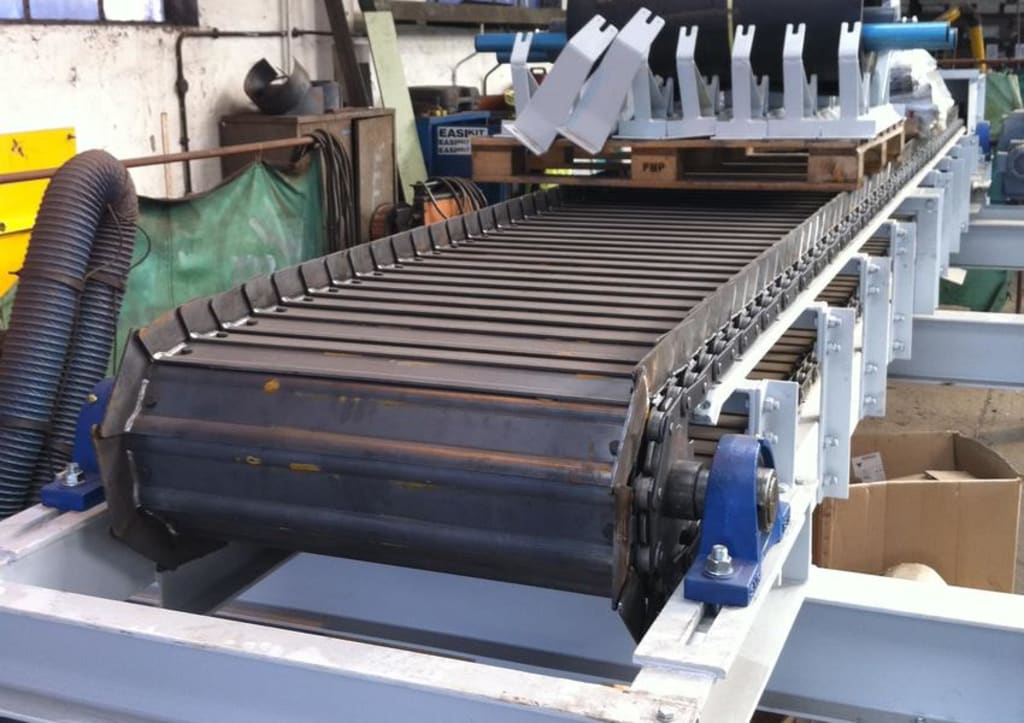
processing and logistics, they play a crucial role in improving efficiency, reducing manual labor, and streamlining operations. In this comprehensive guide, we’ll dive into everything you need to know about conveyor belts — their history, types, components, applications, and the latest innovations shaping their future.
What is a Conveyor Belt?
A conveyor belt is a continuous moving band made of rubber, fabric, metal, or plastic, which is used for transporting materials or products from one point to another. Conveyor belts are driven by motors and rollers, enabling the transportation of goods over short or long distances, horizontally or vertically.
The primary goal of a conveyor belt system is to move items efficiently with minimal human intervention, saving time and labor costs.
A Brief History of Conveyor Belts
The first conveyor belt systems date back to the late 18th century, primarily used in mining operations. By the early 1900s, conveyor belts became more common in industrial production lines. A significant leap happened in 1913 when Henry Ford introduced conveyor belts into the automobile assembly line, revolutionizing mass production forever.
Since then, technological advancements have led to more durable materials, smarter automation systems, and highly specialized conveyor designs.
Main Components of a Conveyor Belt System
Understanding the basic parts of a conveyor belt system can help in choosing the right one for your needs:
- Belt: The medium that carries the product. Belts can be made of rubber, PVC, fabric, metal, or composites depending on the application.
- Pulleys: Rollers at the ends that drive and redirect the belt.
- Motor and Drive Unit: Provides the necessary power to move the belt.
- Frame: The Conveyor structure that supports the belt and keeps the system aligned.
- Rollers and Idlers: Help support the belt and reduce friction during movement.
- Take-up Mechanism: Ensures the belt remains taut to avoid slipping or sagging.
Each component must be selected carefully to match the operational needs and load requirements.
Types of Conveyor Belts
There are several types of conveyor belts designed for specific applications:
- Flat Belt Conveyors: The most common type, ideal for transporting small or medium-sized items over short distances.
- Modular Belt Conveyors: Made from interlocking plastic pieces, these belts are easy to maintain and perfect for food-grade and washdown applications.
- Cleated Belt Conveyors: Designed with vertical cleats to prevent materials from sliding backward, especially useful in incline transportation.
- Incline/Decline Belt Conveyors: Allow the transfer of products between different heights with minimal effort.
- Curved Belt Conveyors: Help in changing the direction of the conveyor path while maintaining the flow of products.
- Specialty Belts: Magnetic belts, filter belts, and heat-resistant belts cater to highly specialized industrial needs.
Applications of Conveyor Belts
Conveyor belts are incredibly versatile and are found in a variety of industries, including:
- Manufacturing: Moving products along the production line.
- Mining and Quarrying: Transporting raw materials like ore, coal, and gravel.
- Food Processing: Handling ingredients and packaged food under hygienic conditions.
- Logistics and Warehousing: Efficient sorting and delivery of parcels.
- Airports: Moving luggage from check-in counters to aircraft and vice versa.
- Retail: Checkout counters and stock movement.
Each application often requires a tailored conveyor system based on speed, load, and environmental factors.
Key Benefits of Conveyor Belts
Using conveyor belts offers numerous advantages:
- Increased Efficiency: Speeds up material handling processes.
- Reduced Labor Costs: Minimizes the need for manual handling.
- Improved Safety: Lowers the risk of workplace injuries.
- Consistency: Ensures products are moved consistently without damage.
- Scalability: Conveyor systems can easily be expanded as operations grow.
Challenges and Maintenance Tips
While conveyor belts are reliable, they are not without challenges. Common issues include belt slippage, misalignment, and wear and tear. To extend the life of a conveyor system:
- Perform Regular Inspections: Check for belt damage and misalignment.
- Keep It Clean: Remove debris and contaminants.
- Lubricate Moving Parts: Minimize friction to avoid premature failure.
- Replace Worn Components: Timely maintenance avoids bigger breakdowns.
Preventative maintenance is key to maximizing uptime and reducing operational costs.
Innovations and the Future of Conveyor Belts
The conveyor belt industry continues to evolve, driven by demands for higher efficiency, smarter automation, and greener operations. Some exciting trends include:
- Smart Conveyors: Equipped with sensors, IoT connectivity, and predictive maintenance capabilities.
- Eco-Friendly Belts: Made from recyclable or biodegradable materials.
- Energy-Efficient Motors: Reducing the carbon footprint of industrial operations.
- Modular, Flexible Designs: Systems that can be reconfigured quickly to meet changing needs.
In the coming years, conveyor belts will become even more integral to industries aiming to optimize production and logistics processes through smart automation.
Conclusion
Conveyor belts may seem simple, but they are vital components that keep industries moving smoothly and efficiently. Understanding the types, applications, maintenance needs, and future trends of conveyor belts can help businesses select the right system and keep it running at peak performance.
As industries evolve, so too will conveyor belt technologies — paving the way for smarter, greener, and more adaptable production environments.
About the Creator
Ebrahimi Work
مستقر در شرکت امید عمران سهند
Keep reading
More stories from writers in Wheel and other communities.




Comments
There are no comments for this story
Be the first to respond and start the conversation.