
Different Types of Tyres and Their Maintenance
Read here top tyre care and maintenance tips

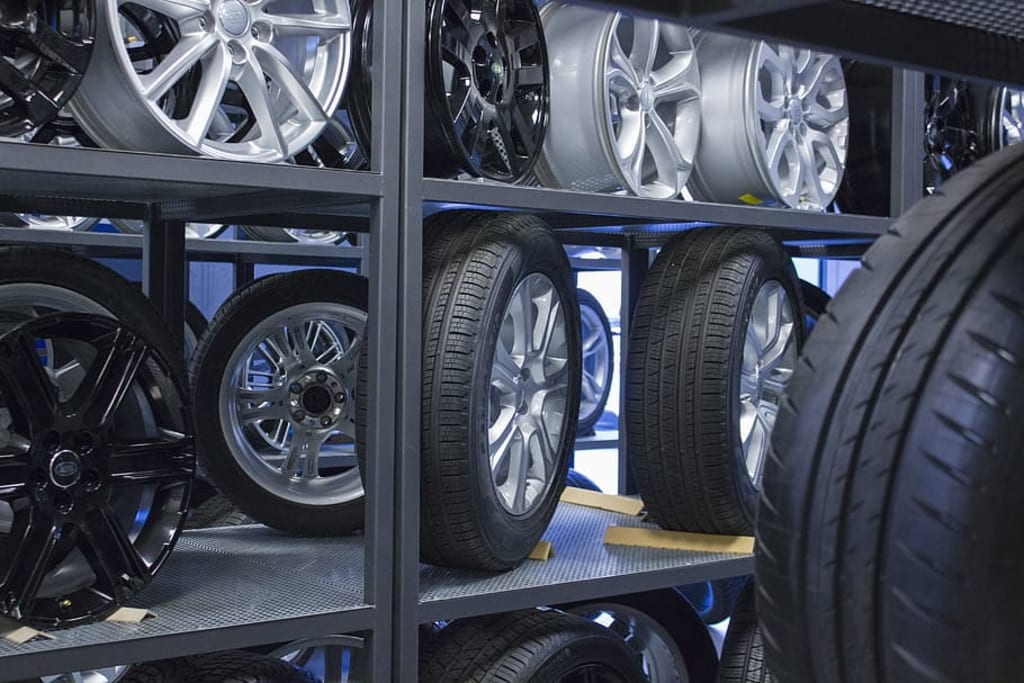
You may not have realised it, but the type of tyre you choose for your car has a significant impact on how it performs in various circumstances. How your wheels make contact with the road is influenced by different factors, including the material and tyre tread. Because our tyres are the only elements of our vehicle that come into contact with the road, we must ensure that their size and tread pattern are appropriate for the surface we're travelling on.
Even before you know which tyre to buy for the best aesthetic car modifications, you're faced with many questions when you go tyreshopping. The most important of these are: Which tyre type do you want? Will it be the all-season tyre - the jack of all trades? Or would you prioritise the advantages of winter and summer tyres? We've compiled the most significant details about each tyre type, as well as their differences, to assist you in answering these questions. You will be able to make an informed selection in this manner. There are some tyre maintenance tips too as a bonus.
Types of tyres:
- Summer tyres
Summer tyres are built for use in usually dry, warm weather. Summer tyres can be made from a softer, more elastic rubber composition because the rubber does not need to be thick enough to resist splitting in cold temperatures. They usually have a tread pattern with few grooves to maximise contact with roads, which also improves handling and gives higher fuel economy during the summer months.
Summer tyres, however, are inappropriate for winter driving conditions due to the same characteristics - the distinctive rubber compound and basic tread design. When the temperature goes below 7 degrees Celsius, the compound hardens and brittles and the tread design cannot handle snow or ice.
Winter tyres, often known as 'cold weather tyres', can help keep you safe on the road throughout the colder months.
A winter tyre's tread composition contains more natural rubber, which prevents it from hardening in cold weather. This keeps the tyre flexible in harsh winter temperatures, allowing for shorter stopping distances and a good grip on snow, ice and wet surfaces.
All-season tyres, also known as all-weather tyres, are meant to be used year-round in regions with mild weather patterns.
All-season tyres essentially blend features of summer and winter tyres to create a tyre that can be worn all year, providing drivers with peace of mind no matter what the weather throws at them. Although all-season automobile tyres are unlikely to equal the performance of specialist summer or winter tyres throughout the seasons, they do offer a good balance of advantages. They also have the additional benefit of saving money because you won't have to replace your tyres twice a year.
Run-flat tyres are designed to stay operational in the case of a puncture or a significant loss of air pressure, allowing you to get to safety, whether it's home or to the nearest tyre service.
Run-flat tyres also lessen the chance of tyre blow-outs, which can be hazardous to the driver and other road users if they happen at high speeds. On a punctured run-flat tyre, it is recommended that you go no more than 50 miles and keep your speed below 30 mph.
All-terrain tyres, which are exclusively seen on 4x4s, function equally as well in the mud as they do on the road. The tread pattern is thick and wide enough to avoid becoming clogged with debris and snow while still being created such that there is flat contact with the road, ensuring even tyre wear.
The wider tread block makes the tyres highly noisy on normal roads, but they grip loose sand and dirt extremely effectively while driving off-road. The larger tread block pattern means less tyre surface in touch with the road, in addition to the noise. These tyres often have a middle-of-the-road rubber formula, which is neither too soft nor too hard.
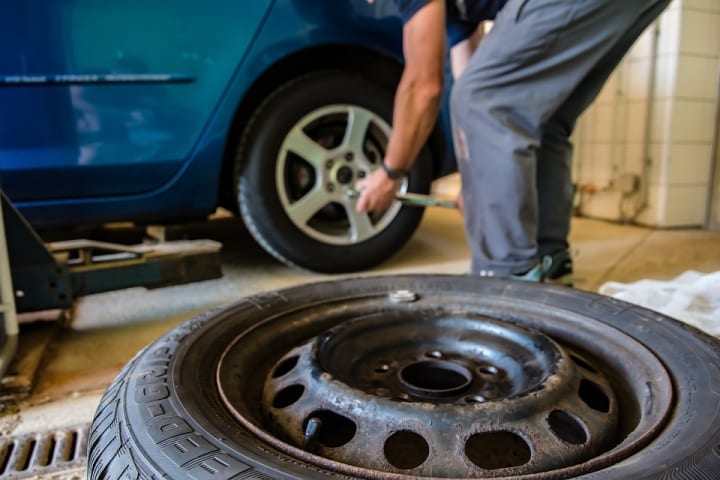
Tyre Maintenance Tips:
The correct tyre pressure will be specified in your owner's manual. After a month or so of continuous drive, tyres lose air pressure and need to be replenished. Check all four tyres' pressure every two weeks. When the air is cool in the morning, it is the best time to do so. Every month, you should check the PSI of your spare tyre. You can also opt to fill your tyres with nitrogen, which requires inspection once in two months.
You may be wondering what guard rolling is. When your car lowers, you're thinking about changing wheels, or your tyres are rubbing, guard rolling comes in handy. People sometimes do this just to be safe, but it's a great technique to ensure your tyres don't rub against your guards.
Rotation of the tyres is necessary for even tyre wear. Regular tyre rotation will save you money by extending the life of your tyres while also providing a smoother and safer ride.
When the tyre is new, get to know the tread so you can see wear and tear quickly. Look for uneven tread wear and be cautious if they're worn because the exposed wire under-frame could slash your hand. Under-inflated tyres have worn treads along the edges and over-inflated tyres have worn treads in the middle.
Aligning the wheel is primarily about the suspension, which influences the car's tyres. After driving on rough roads, pavements, potholes and other barriers, a car's alignment becomes uneven over time. The pieces of the wheel are readjusted when the wheel is aligned, allowing the tyres to roll parallel to one another and perpendicular to the ground.The tyre loses weight and wears unevenly. Adding minor quantities of weight, however, can solve this problem and extend the life of your tyre. This is referred to as wheel balancing.
Wrap up.
Tyres are an integral part of our vehicles. While most people are aware of its importance in terms of grip, they often overlook the other factors they influence, such as ride quality, road noise and braking. Hope the above information will help you in knowing the tyres better so that you can take proper care of them.
About the Creator
Ariana Mortenson
I am a professional writer and blogger. I write on various niches in a way that it’s understandable and appealing to the people. Check out my blogs here: Australia Top Businesses and Top Australia Businesses
Keep reading
More stories from writers in Wheel and other communities.
The Volkswagen T1 Camper Van Decanter Whiskey Bottle
Get it on : https://apparelabyssbrand.com/product/volkswagen-t1-camper-van-decanter-whiskey-bottle/ The Ultimate Blend of Nostalgia and Spirits: The Volkswagen T1 Camper Van Whiskey DecanterFor decades, the Volkswagen T1 Camper Van—affectionately known as the "Bus" or the "Bulli"—has been a global symbol of freedom, adventure, and the "Van Life" spirit. Today, that iconic silhouette has found a new home: not on the open road, but on the top shelf of the world’s most stylish home bars. The Volkswagen T1 Camper Van Whiskey Decanter is a stunning piece of functional art that captures the heart of 1960s counter-culture and pours it into a glass of premium bourbon or scotch.A Design That Drives ConversationAt first glance, these decanters are a masterclass in detail.
By gia ton hanh2 days ago in Wheel
The Key Reasons Why Businesses Use Professional Couriers To Handle Their Deliveries
In an era where speed, reliability, and customer experience can make or break a company, delivery is no longer just a back-end operational task. For many businesses, it’s a critical touchpoint that directly affects brand perception, customer satisfaction, and long-term growth. That’s why an increasing number of companies—ranging from small local shops to large enterprises—choose to work with professional courier services rather than handling deliveries themselves.
By Alexander Belseya day ago in Wheel
Ludacris and Nelly draw backlash over bookings at MAGA-coded music festival
Ludacris and Nelly headlining a mostly right-wing event is good for them. It’s also great for the genre of hip hop. The two rap veterans have showcased their talents on other stages. Why can’t they perform for mostly MAGA folks and grab that bag?
By Skyler Saunders6 days ago in Beat



Comments
There are no comments for this story
Be the first to respond and start the conversation.