
Diagnosing Electrical Problems in BMW Vehicles: Expert Tips and Solutions
Diagnosing Electrical Problems in BMW Vehicles

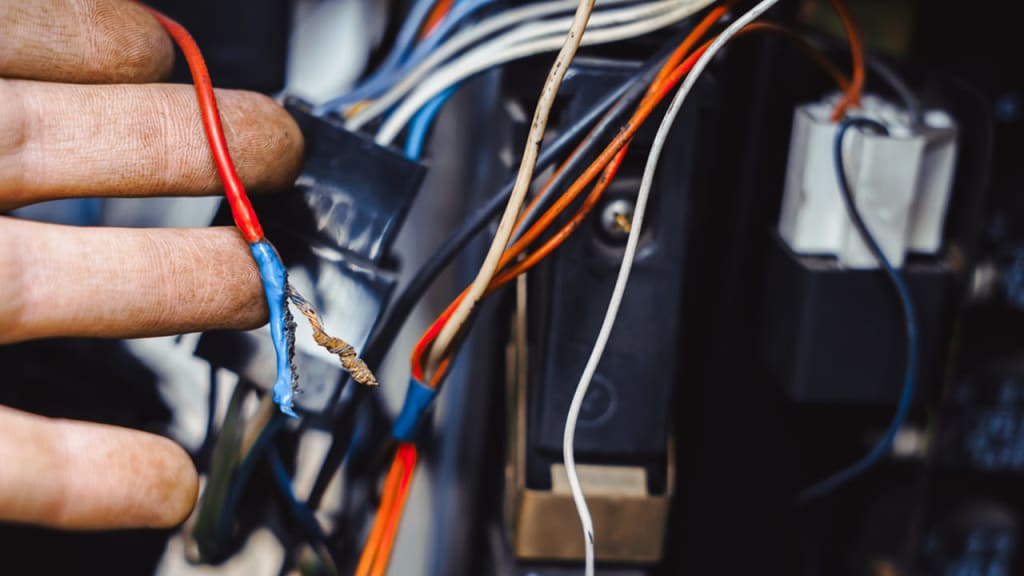
BMW vehicles are celebrated for their precision engineering, cutting-edge technology, and luxurious features. However, the complexity of their electrical systems can sometimes lead to issues that require careful diagnosis. Understanding how to identify and address electrical problems is crucial to maintaining your BMW’s performance and reliability.
1. Recognizing Common Symptoms of Electrical Problems
Electrical issues in BMW vehicles often manifest in various ways. Look out for these common signs:
Dashboard Warning Lights: Persistent warning lights, such as the check engine or battery light, may indicate underlying electrical problems.
Starting Issues: A clicking sound or complete failure to start often points to a faulty battery or alternator.
Malfunctioning Electronics: Problems with features like power windows, infotainment systems, or climate controls.
Dimming Lights: Headlights or interior lights that flicker or dim during operation may signal a charging system issue.
2. Diagnosing Electrical Problems in Your BMW
Step 1: Inspect the Battery
The battery is the heart of your car’s electrical system. To diagnose issues:
Test the Voltage: Use a multimeter to check the battery voltage. A fully charged battery should read around 12.6 volts.
Check for Corrosion: Examine the terminals for corrosion or loose connections, which can disrupt the power flow.
Step 2: Evaluate the Alternator
The alternator charges the battery and powers the electrical systems while the engine runs. Signs of a failing alternator include:
Battery warning light activation.
Dimming headlights during acceleration.
To test:
Measure Output Voltage: A healthy alternator should produce between 13.5 and 14.5 volts when the engine is running.
Step 3: Examine the Fuses and Relays
A blown fuse or malfunctioning relay can cause electrical components to fail. Locate the fuse box using your BMW owner’s manual, and visually inspect each fuse for damage. Replace any blown fuses with ones of the same amperage rating.
Step 4: Scan for Error Codes
Modern BMW vehicles are equipped with onboard diagnostic (OBD) systems. Use an OBD-II scanner to retrieve error codes that can pinpoint specific electrical problems. Many independent garages and BMW service centers offer this service.
Step 5: Check Wiring and Connectors
Damaged wiring or loose connectors can disrupt electrical circuits. Focus on high-use areas like the engine bay, doors, and trunk, where wires are more susceptible to wear.
Step 6: Assess Electrical Modules
BMW vehicles have multiple control modules that manage systems such as lighting, infotainment, and engine performance. Malfunctioning modules may require reprogramming or replacement, which should be performed by a professional technician.
3. Preventive Tips to Avoid Electrical Problems
Regular Maintenance: Follow BMW’s recommended service intervals to keep the electrical system in top condition.
Protect Against Moisture: Avoid exposing the vehicle’s electrical components to water, which can cause shorts and corrosion.
Drive Regularly: Driving your car regularly helps maintain the battery charge and ensures the alternator remains functional.
Use Genuine BMW Parts: When replacing electrical components, opt for OEM parts to ensure compatibility and reliability.
4. When to Seek Professional Help
While minor issues can often be resolved at home, complex electrical problems require the expertise of a trained technician. BMW-certified service centers have specialized diagnostic tools and experience with BMW’s sophisticated systems, ensuring accurate repairs.
By understanding how to diagnose electrical problems and taking preventive measures, you can ensure your BMW continues to deliver the performance and luxury you expect. Timely attention to electrical issues not only enhances safety but also extends the lifespan of your vehicle's advanced systems.
About the Creator
Import Specialty Service
Import Speciality Service is a leading automotive repair and service facility located in Nashville, TN having years of experience in looking after both European and Asian imported cars.
Keep reading
More stories from Import Specialty Service and writers in Wheel and other communities.
Top-Rated Audi Electrical Troubleshooting Services in Nashville, TN: Keep Your Car Running Smoothly
When it comes to luxury and performance, Audi stands out as one of the leading automotive brands worldwide. Known for their sophisticated technology and engineering excellence, Audi vehicles offer a driving experience like no other. However, even the most advanced vehicles are not immune to issues, particularly when it comes to their complex electrical systems. For Audi owners in Nashville, TN, top-rated electrical troubleshooting services are essential to maintain the smooth operation of their vehicles.
By Import Specialty Service2 years ago in Wheel
The Key Reasons Why Businesses Use Professional Couriers To Handle Their Deliveries
In an era where speed, reliability, and customer experience can make or break a company, delivery is no longer just a back-end operational task. For many businesses, it’s a critical touchpoint that directly affects brand perception, customer satisfaction, and long-term growth. That’s why an increasing number of companies—ranging from small local shops to large enterprises—choose to work with professional courier services rather than handling deliveries themselves.
By Alexander Belsey3 days ago in Wheel



Comments
There are no comments for this story
Be the first to respond and start the conversation.