
Comprehensive Analysis of the Global Ball Bearing Market
The global ball bearing market is experiencing significant growth, driven by increasing demand across various industries, including automotive, aerospace, and industrial machinery.

Introduction
The global ball bearing market has witnessed significant growth over the past few years. As industrial activities surge worldwide, the demand for efficient, durable, and high-performance bearings has increased. This article delves into the key aspects of the ball bearing market, providing a detailed analysis of its trends, growth drivers, and future outlook.
Market Size
The global ball bearing market size reached US$ 43.7 Billion in 2023. Looking forward, IMARC Group expects the market to reach US$ 62.0 Billion by 2032, exhibiting a growth rate (CAGR) of 3.8% during 2024-2032. The growing demand for machinery and equipment, rising demand for automation and robotics in various industries to optimize processes and improve productivity, and technological innovations to enhance durability are some of the major factors propelling the market.
Market Overview
Definition and Types of Ball Bearings
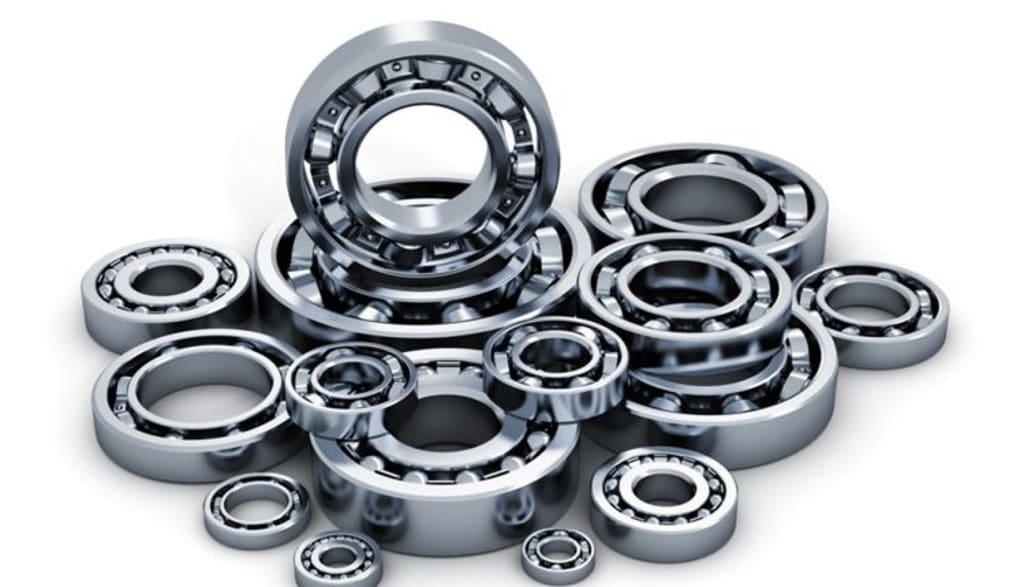
Ball bearings are mechanical components designed to reduce rotational friction and support radial and axial loads. They consist of a series of balls encased within two circular races, allowing for smooth movement. There are several types of ball bearings, including:
- Deep Groove Ball Bearings: Versatile and widely used in various applications.
- Angular Contact Ball Bearings: Suitable for applications requiring high precision and speed.
- Self-Aligning Ball Bearings: Ideal for applications with misalignment issues.
- Thrust Ball Bearings: Designed to handle axial loads.
Key Applications
Ball bearings are utilized in numerous industries, such as:
- Automotive: Essential for reducing friction in engines, transmissions, and wheels.
- Aerospace: Used in aircraft engines, landing gear, and control surfaces.
- Industrial Machinery: Critical for the efficient operation of motors, pumps, and conveyors.
- Electronics: Employed in hard drives, fans, and precision instruments.
Market Dynamics
Growth Drivers
- Industrial Expansion: Rapid industrialization in emerging economies has led to increased demand for ball bearings.
- Technological Advancements: Innovations in materials and manufacturing techniques have enhanced bearing performance and durability.
- Rising Automotive Production: The automotive industry's growth, particularly in electric vehicles, is driving demand for high-quality ball bearings.
- Increasing Aerospace Investments: The expansion of the aerospace sector boosts the need for reliable and high-performance bearings.
Market Challenges
- Volatile Raw Material Prices: Fluctuations in steel and other raw material costs can impact production expenses.
- Intense Competition: The presence of numerous players in the market results in fierce competition, affecting pricing strategies.
- Supply Chain Disruptions: Global events, such as the COVID-19 pandemic, can disrupt supply chains and affect market stability.
Regional Insights
North America
North America holds a significant share of the ball bearing market, driven by advanced manufacturing industries and robust automotive and aerospace sectors.
Europe
Europe's market is characterized by the presence of leading automotive manufacturers and a strong emphasis on technological advancements in industrial machinery.
Asia-Pacific
The Asia-Pacific region is expected to witness the highest growth rate due to rapid industrialization, urbanization, and significant investments in infrastructure development.
Latin America and Middle East & Africa
These regions are gradually emerging as important markets, with increasing industrial activities and infrastructure projects.
Competitive Landscape
Key Players
Prominent players in the global ball bearing market include:
- SKF
- NSK Ltd.
- Schaeffler AG
- NTN Corporation
- Timken Company
Strategic Initiatives
These companies are focusing on strategic initiatives such as mergers and acquisitions, product innovations, and expanding their distribution networks to strengthen their market position.
Future Outlook
Technological Trends
The future of the ball bearing market is likely to be influenced by several technological trends, including:
- Smart Bearings: Integration of sensors to monitor bearing health and performance in real-time.
- Advanced Materials: Development of bearings using lightweight and durable materials like ceramics and composites.
- Enhanced Lubrication: Innovations in lubrication techniques to extend bearing life and efficiency.
Market Forecast
The global ball bearing market is projected to continue its growth trajectory, driven by ongoing industrialization, technological advancements, and rising demand from key end-use industries.
Conclusion
The global ball bearing market is poised for substantial growth, driven by industrial expansion, technological advancements, and rising demand from various end-use sectors. Companies in this market must navigate challenges such as raw material price volatility and intense competition while leveraging opportunities presented by emerging technologies and regional markets. As the market evolves, staying ahead of trends and adapting to changing dynamics will be crucial for sustained success.
About the Creator
Andrew Sullivan
Hello, I’m Andrew Sullivan. I have over 9+ years of experience as a market research specialist.
Keep reading
More stories from Andrew Sullivan and writers in Wheel and other communities.
Comprehensive Analysis of the Bottled Water Market
Introduction to the Bottled Water Market The bottled water market has experienced significant growth over the past few decades, driven by increasing health consciousness, urbanization, and a rise in disposable incomes. As a staple in the beverage industry, bottled water represents a crucial segment with diverse offerings, including still, sparkling, flavored, and functional water.
By Andrew Sullivan2 years ago in Earth
Top 10 Pickup Trucks Every Aussie Should Consider in 2026
Choosing the right pickup truck can make a huge difference in daily life, whether you’re hauling gear for work, towing a trailer, or exploring the Australian outback. With 2026 just around the corner, several models are standing out for their performance, reliability, and features. In this guide, we’ll cover the top 10 pickup trucks that every Aussie should consider this year, helping you to pick the right vehicle for your daily life and long-term plans.
By Alec Johnson4 days ago in Wheel
Car Rental in Dubai for Tourists vs Residents: Key Differences
Both can legally rent cars, but the documentation required, insurance, rental costs, deposit requirements and legal obligations are very similar. Tourists often rent short term with more deposits and less insurance flexibility, while residents are at a lower rate, monthly rent, and better insurance. Understanding these differences can save you hidden charges, fines and coverage gaps.
By Sarath Menon4 days ago in Wheel
Miss Persephone's Manual to a Seemingly Ordinary Life
Miss Persephone was found at the dining table, her blue eyes swollen, her tears arriving and retreating like the tides of the ocean. Earlier that day, her family had visited her in the retirement home where she had lived for eight years. It was her eightieth birthday.
By Imola Tóth3 days ago in Fiction


Comments (2)
I love to fix those kind of things.
Excellent piece