
Common Clutch Problems in Volkswagen Cars and How to Fix Them
Volkswagen Car Clutch Problem


The clutch is a critical component in any vehicle, including Volkswagen cars. It is responsible for engaging and disengaging the power transmission between the engine and the wheels. However, like any mechanical part, the clutch can experience problems over time. In this article, we will explore common clutch problems found in Volkswagen cars and provide solutions for fixing them.
Clutch Slipping:
One of the most common clutch problems is slipping. This occurs when the clutch fails to engage fully, resulting in a loss of power transfer to the wheels. To fix this issue, start by checking the clutch fluid level. If it's low, refill it to the recommended level. Next, inspect the clutch pressure plate and replace it if necessary. Additionally, adjust the clutch cable or hydraulic system as per the manufacturer's guidelines. If the clutch disc is worn, it should be replaced. Finally, ensure that the clutch pedal is properly adjusted.
Clutch Chattering:
Chattering is another issue that Volkswagen owners may encounter with their clutches. It is characterized by a jerking or shuddering sensation when engaging the clutch. To address this problem, check for oil or grease contamination on the clutch disc and clean it if necessary. Lubricate the clutch release mechanism to ensure smooth operation. Worn or damaged clutch components, such as the pressure plate or release bearing, should be replaced. Additionally, if the flywheel is warped, it may need to be resurfaced or replaced. Proper alignment of the clutch disc during installation is also crucial.
Clutch Pedal Sticking:
A sticking clutch pedal can make shifting gears difficult and uncomfortable. To resolve this issue, start by lubricating the clutch pedal linkage to ensure smooth movement. Inspect and clean the clutch master cylinder, and replace any worn or damaged components. Bleeding the clutch hydraulic system can help eliminate air bubbles that may be causing the problem. Finally, adjust the clutch pedal free play according to the manufacturer's specifications.
Clutch Noise:
Unusual noises coming from the clutch can indicate underlying problems. If you hear grinding, rattling, or squealing sounds, it's essential to address them promptly. Check for loose or damaged clutch components and tighten or replace them as needed. Lubricate the clutch release bearing to reduce noise. Inspect the clutch fork for wear or damage and replace if necessary. Worn or damaged clutch components should be replaced, and during installation, ensure proper clutch alignment.
Clutch Dragging:
Clutch dragging occurs when the clutch fails to fully disengage, resulting in difficulty in shifting gears smoothly. Start by checking the clutch hydraulic system for leaks or air bubbles, and repair or bleed the system as necessary. Adjust the clutch cable or hydraulic system to ensure proper operation. Lubricate the clutch release mechanism to improve movement. If there are worn or damaged clutch components, they should be replaced. Finally, verify that the clutch pedal has the correct adjustment and free play.
Conclusion:
Being aware of common clutch problems in Volkswagen cars and knowing how to fix them can save you from potential headaches and costly repairs. Remember to follow the manufacturer's guidelines and consult a professional if you're unsure or unable to address the issues yourself. By properly maintaining and addressing clutch problems promptly, you can ensure smooth and reliable performance from your Volkswagen car.
About the Creator
M Service Inc
M Service, INC. is one of the most popular auto repair shops in the Walnut Creek area that is having years of experience in looking after European cars Land Rover, Audi, BMW, Mini, Mercedes, and Porsche. At M Service, INC.
Keep reading
More stories from M Service Inc and writers in Wheel and other communities.
Here is why Volkswagen TPMS problems should not be ignored
All car owners want their car to have a very good performance. Because more the performance of their car, more will be their benefit. To have a good performance the cars should be more energy efficient. To make the cars more efficient, the manufacturers give more importance of the use of high-quality parts in engine and the drive train and also the lubricants. The monitoring systems too have a very good role in maintaining a good efficiency of the car, but unfortunately, many people ignore their maintenance and service due to which we can find all these monitoring components are now a days developing problem. One of such components is TPMS. Here you will know about the TPMS in Volkswagen and why it should not be ignored if it develops some problems.
By M Service Inc11 months ago in Wheel
You Won't Believe How Easy it is to Get 100,000 Miles Between Brake Jobs
Most drivers are destroying their brakes prematurely — and it has nothing to do with speed. As a Master Mechanic for 25 years, I’ve seen every driving style imaginable. And nothing reveals a driver’s habits faster than how often they need brake work.
By Jack Martina day ago in Wheel
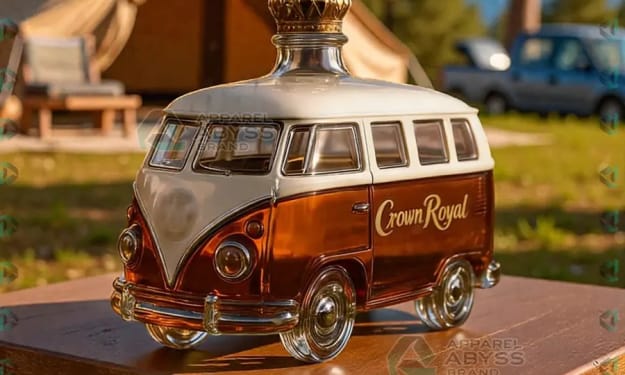
The Volkswagen T1 Camper Van Decanter Whiskey Bottle
Get it on : https://apparelabyssbrand.com/product/volkswagen-t1-camper-van-decanter-whiskey-bottle/ The Ultimate Blend of Nostalgia and Spirits: The Volkswagen T1 Camper Van Whiskey DecanterFor decades, the Volkswagen T1 Camper Van—affectionately known as the "Bus" or the "Bulli"—has been a global symbol of freedom, adventure, and the "Van Life" spirit. Today, that iconic silhouette has found a new home: not on the open road, but on the top shelf of the world’s most stylish home bars. The Volkswagen T1 Camper Van Whiskey Decanter is a stunning piece of functional art that captures the heart of 1960s counter-culture and pours it into a glass of premium bourbon or scotch.A Design That Drives ConversationAt first glance, these decanters are a masterclass in detail.
By gia ton hanh4 days ago in Wheel


Comments
There are no comments for this story
Be the first to respond and start the conversation.