
Cars That Run on Water? Engineers Test a Hydrogen Breakthrough
Automotive technology

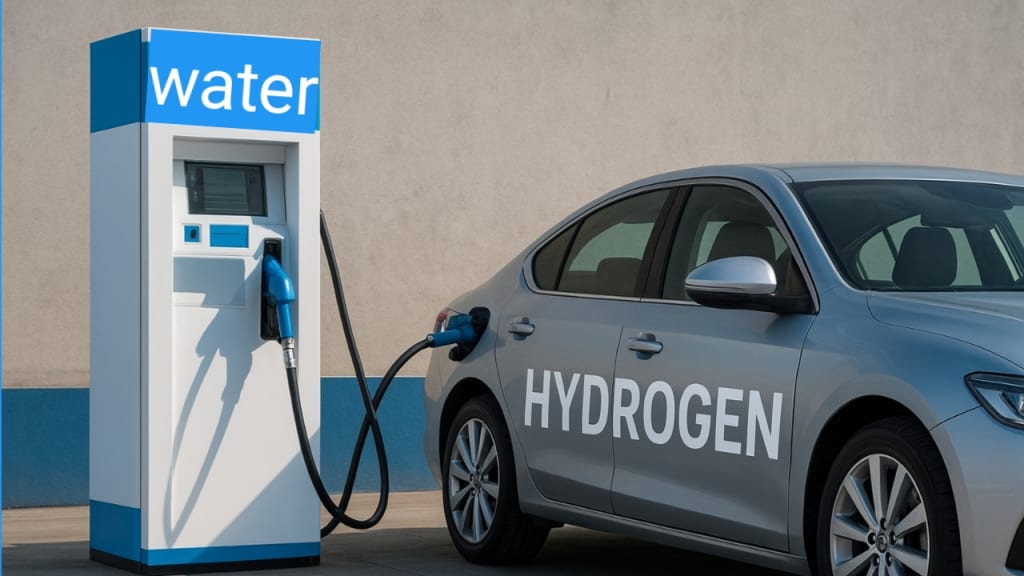
For decades, the idea of cars running on water has lived somewhere between science fiction, conspiracy theory, and hopeful environmental dream. The concept always sounded too good to be true—pour water into a tank, split it into hydrogen, and drive for miles without pollution or fossil fuels.
But today, that dream is inching closer to reality. Engineers around the world are testing a new hydrogen breakthrough that could dramatically change the future of clean transportation.
This breakthrough isn’t about burning water directly. Instead, it uses water as the source of hydrogen, extracted through advanced and highly efficient processes. The result? A vehicle powered by hydrogen fuel, but far cheaper, cleaner, and more accessible than anything we’ve seen before.
---
The Science Behind the “Water Car” Idea
Water itself is not a fuel. It’s a stable compound made of hydrogen and oxygen. To use it as energy, hydrogen must be separated through a process called electrolysis. Traditionally, electrolysis required large amounts of electricity—too much to make hydrogen affordable for cars.
But recent advancements have flipped the equation.
A team of engineers has developed a new catalytic system that splits water into hydrogen using:
Ultra-low energy
Solar power or small onboard batteries
Highly efficient nanomaterials
This means that the hydrogen produced is far cheaper and faster. A car could theoretically refill its hydrogen supply by simply topping up with water and letting the onboard system extract the fuel.
It’s not “running on water” in the magical sense—but it’s the closest science has ever been.
---
How the New Technology Works
This new system uses a combination of metal-organic frameworks (MOFs) and catalyst-coated membranes to break apart water molecules at record speeds.
Here’s what happens inside:
1. Water enters the onboard electrolyzer
2. The catalyst triggers fast hydrogen release
3. Hydrogen gas is stored in a pressurized tank
4. A fuel cell converts hydrogen into electricity
5. The car’s electric motor uses that electricity to drive
The key innovation is that the new catalyst reduces energy consumption by nearly 70%, solving the biggest problem hydrogen cars have faced for decades.
---
Why This Matters More Than Electric Cars
While electric vehicles (EVs) are a major step toward sustainability, they also come with major challenges:
Battery mining is expensive and damaging to the environment
Charging takes time
Batteries degrade and are hard to recycle
Long-distance travel requires charging infrastructure
Hydrogen, on the other hand, offers several advantages:
🚗 1. Instant Refueling
Hydrogen tanks can be refilled in minutes.
🚀 2. Long Range
Hydrogen vehicles can travel 600–1,000 km on a single tank.
🌍 3. Zero Emissions
The only byproduct is water vapor.
🔋 4. Smaller Batteries
Hydrogen fuel cells don’t need huge lithium batteries.
If water-based hydrogen extraction becomes mainstream, we may see the next transportation revolution emerge—cleaner than EVs and far more convenient.
---
Real-World Experiments Are Already Happening
Several engineering teams and companies have begun testing prototypes using this new technology. Some key breakthroughs include:
🌊 A Small Sedan That Refilled Using Only Water and Solar Power
Researchers demonstrated that a compact car could produce its own hydrogen during sunlight hours and store enough fuel for nightly driving.
🔧 A Truck Prototype That Generates Hydrogen While Driving
Engineers have installed a lightweight water-splitting unit inside a truck, allowing it to extend its range on long trips.
🏭 Companies Exploring Onboard Electrolysis at Scale
Major automakers—including Toyota and Hyundai—are watching these experiments closely. Both companies have invested heavily in hydrogen and see water-based hydrogen extraction as the missing ingredient.
---
Challenges That Still Remain
Despite the excitement, several obstacles must be solved before “water cars” can become mainstream:
Energy source: Even efficient electrolysis requires power—solar and regenerative braking may not always be enough.
Safety: Storing hydrogen safely requires careful engineering.
Cost: New catalysts need to become cheaper through mass production.
Infrastructure: Hydrogen stations are still rare in many countries.
Scientists emphasize that the concept is evolving rapidly, but not “ready for showrooms” just yet.
---
A Future Powered by Water?
The idea of cars running on water once felt like a scientific fantasy. But today, engineers are demonstrating that water can indeed serve as the raw material for clean, sustainable hydrogen fuel—and technology is moving faster than ever.
If these systems scale successfully, transportation could shift toward a world where:
Water replaces gasoline
Cars operate with zero emissions
Long-distance travel becomes cleaner and cheaper
And hydrogen becomes the backbone of global energy
Whether it arrives in five years or fifteen, one thing is certain:
The hydrogen revolution has begun—and water may soon fuel the journey.
About the Creator
7 Cars You Should Never Buy Used in 2026
Buying a used car can be a smart way to save money, but not every vehicle holds up well over time. Some cars develop recurring mechanical issues, others come with expensive repair costs, and a few simply do not age gracefully. As we move into 2026, certain models and categories stand out as risky purchases in the used market. This article is not meant to criticize brands or owners, but to help buyers make informed decisions based on long-term reliability trends, ownership costs, and common complaints. Understanding which used cars to avoid can protect your budget and reduce stress after purchase.
By Austin Peck2 days ago in Wheel
Rego Hacks That Save Hundreds in 2026
Vehicle registration is one of those unavoidable expenses that many drivers accept without question, yet a closer look often reveals opportunities to save real money. As 2026 approaches, changes in transport policies, vehicle classifications, and digital systems mean drivers who stay informed can reduce rego costs legally and with minimal effort. Whether you own a daily commuter, a secondary car, or an aging vehicle you barely use, understanding how registration works can help you avoid paying more than necessary.
By Austin Pecka day ago in Wheel



Comments
There are no comments for this story
Be the first to respond and start the conversation.