
Car Evolution
"The Evolution of Automotive Technology: From Horseless Carriages to Autonomous Vehicles" "Innovations in Fuel Efficiency: From Carburetors to Direct Injection and Hybrid Systems" "Safety First: Advancements in Automotive Safety Features and Crash Prevention Systems" "The Electric Revolution: From Early Electric Cars to the Mass Adoption of Electric Vehicles" "Autonomous Driving: The Journey towards Self-Driving Cars and the Future of Mobility"
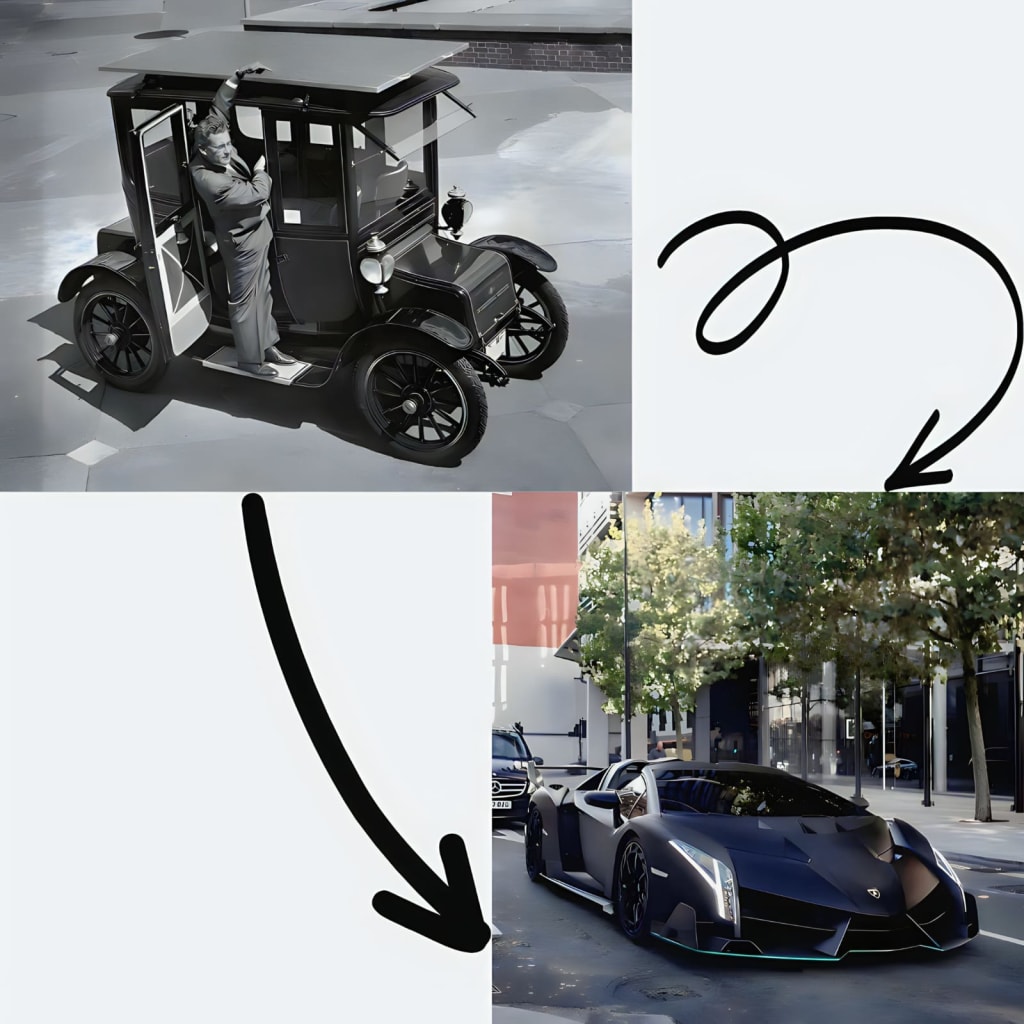
"The Evolution of Automotive Technology: From Horseless Carriages to Autonomous Vehicles"
The development of automotive technology has had a profound impact on society, transforming the way we travel, work, and interact with our environment. From the early days of horseless carriages to the current era of autonomous vehicles, this article explores the remarkable evolution of automotive technology, highlighting the major milestones and breakthroughs that have shaped the industry.
The Birth of the Automobile:
The story of automotive technology begins in the late 19th century with the invention of the automobile. Pioneers like Karl Benz, Gottlieb Daimler, and Henry Ford introduced the world to horseless carriages powered by internal combustion engines. These early vehicles represented a significant shift from horse-drawn transportation, offering newfound freedom and mobility to individuals and revolutionizing industries such as manufacturing, transportation, and commerce.
Improving Performance and Efficiency:
As the automotive industry progressed, there was a continuous drive to enhance performance and fuel efficiency. Milestones such as the introduction of electric starters, carburetors, and transmission systems improved usability and made cars more accessible to a wider audience. The adoption of technologies like fuel injection, turbocharging, and direct injection further optimized engine performance and fuel economy. The quest for improved efficiency led to the development of hybrid vehicles that combine internal combustion engines with electric motors, reducing emissions and fuel consumption.
Enhancing Safety:
Automotive technology has also been instrumental in enhancing safety on the roads. The introduction of safety features such as seat belts, airbags, antilock braking systems (ABS), and traction control systems significantly reduced the risk of accidents and improved occupant protection. Advanced driver-assistance systems (ADAS) like lane departure warning, adaptive cruise control, and blind-spot detection further assist drivers in avoiding collisions and navigating complex traffic situations.
The Rise of Electric Vehicles:
The increasing concern for environmental sustainability and the need to reduce reliance on fossil fuels led to the rise of electric vehicles (EVs). Electric cars, powered by rechargeable batteries, offer zero-emission transportation, addressing both air pollution and climate change concerns. Rapid advancements in battery technology have extended driving ranges and reduced charging times, making electric vehicles more practical and accessible to the masses. The widespread adoption of EVs holds the potential to revolutionize the automotive industry and contribute to a greener future.
Autonomous Vehicles: The Future of Mobility:
One of the most significant developments in automotive technology is the emergence of autonomous vehicles. Autonomous or self-driving cars leverage a combination of sensors, artificial intelligence, and advanced computing power to navigate and operate without human intervention. This technology promises to revolutionize mobility, making transportation safer, more efficient, and more accessible. With ongoing research and development, autonomous vehicles have the potential to reshape urban planning, reduce traffic congestion, and redefine the concept of personal transportation.
The evolution of automotive technology has been a remarkable journey, from the early days of horseless carriages to the era of autonomous vehicles. Each milestone and breakthrough has brought us closer to safer, more efficient, and more sustainable transportation solutions. As technology continues to advance, we can expect further innovations, such as electric and autonomous vehicles, to reshape the way we travel and interact with our vehicles. The future of automotive technology holds exciting possibilities as we strive to create a more connected, efficient, and sustainable transportation ecosystem.
"Innovations in Fuel Efficiency: From Carburetors to Direct Injection and Hybrid Systems"
The quest for improved fuel efficiency has been a driving force in the automotive industry for decades. As concerns over energy consumption and environmental impact have grown, manufacturers have continually pushed the boundaries of innovation to develop technologies that maximize fuel economy. This article explores the evolution of fuel efficiency innovations, from the era of carburetors to the advancements of direct injection and hybrid systems.
Carburetors: The Early Fueling System:
Carburetors were a fundamental component of the early internal combustion engines. These devices mixed fuel and air in the correct proportions before delivering the mixture to the engine cylinders. While carburetors served their purpose at the time, they had limitations in terms of fuel efficiency. The mixture distribution across cylinders was often uneven, leading to incomplete combustion and wasted fuel. As automotive technology progressed, alternative fueling systems emerged to overcome these challenges.
Fuel Injection: Improved Precision and Efficiency:
Fuel injection systems revolutionized the automotive industry by replacing carburetors with a more precise and efficient method of fuel delivery. Electronic fuel injection (EFI) systems became increasingly popular, allowing for precise control over fuel metering and delivery. By directly injecting fuel into the engine cylinders at high pressure, EFI systems ensured better fuel atomization, improved combustion efficiency, and reduced fuel consumption. This advancement significantly enhanced both power output and fuel efficiency in modern vehicles.
Direct Injection: Optimizing Performance and Economy:
Direct injection technology took fuel efficiency to new heights by further refining the fuel delivery process. Instead of injecting fuel into the intake manifold, direct injection systems deliver fuel directly into the combustion chamber, resulting in improved efficiency and power. The direct injection strategy allows for finer control over fuel delivery, optimizing the air-fuel mixture and improving combustion efficiency. This technology enables engines to achieve higher compression ratios, reduce fuel consumption, and lower emissions without sacrificing performance.
Hybrid Systems: Combining Efficiency Technologies:
Hybrid systems represent a groundbreaking approach to fuel efficiency by combining multiple technologies. Hybrid vehicles utilize both an internal combustion engine and an electric motor, allowing for optimized power delivery and reduced fuel consumption. The electric motor assists the engine during acceleration and low-load conditions, reducing the reliance on the internal combustion engine. Additionally, regenerative braking systems capture and store energy that would otherwise be wasted, further enhancing fuel efficiency. Hybrid systems offer significant improvements in urban driving conditions, where the electric motor can operate solely, resulting in zero tailpipe emissions.
Future Innovations and Beyond:
The pursuit of fuel efficiency continues to drive innovation in the automotive industry. Advancements in lightweight materials, aerodynamics, and alternative fuel sources such as hydrogen and biofuels are being explored to further reduce emissions and dependency on fossil fuels. Additionally, electrification is gaining momentum, with the development of fully electric vehicles and the expansion of charging infrastructure. Emerging technologies, such as solid-state batteries and advanced powertrain systems, hold the promise of even greater fuel efficiency gains and reduced environmental impact in the future.
Innovations in fuel efficiency have played a crucial role in shaping the automotive industry. From the era of carburetors to the advancements of direct injection and hybrid systems, each technological leap has contributed to better performance, reduced emissions, and enhanced fuel economy. As the industry embraces the challenges of sustainability and energy conservation, ongoing research and development will continue to push the boundaries of fuel efficiency. The future holds exciting possibilities, with emerging technologies poised to further revolutionize how we power and propel vehicles, creating a more sustainable and efficient transportation ecosystem.
"Safety First: Advancements in Automotive Safety Features and Crash Prevention Systems"
Safety has always been a paramount concern in the automotive industry, and advancements in automotive technology have significantly improved occupant protection and crash prevention systems. This article explores the evolution of automotive safety features, from seat belts to cutting-edge crash prevention systems, highlighting how these advancements have contributed to safer driving experiences and reduced the severity of accidents.
Seat Belts: The Foundation of Automotive Safety:
Seat belts are one of the most crucial safety features in vehicles, and their adoption marked a significant milestone in automotive safety. By restraining occupants during a collision, seat belts minimize the risk of ejection and reduce the severity of injuries. Over time, seat belts have evolved to include three-point inertia-reel systems, pretensioners, and load limiters, further enhancing their effectiveness in protecting occupants during crashes.
Airbags: Enhanced Occupant Protection:
The introduction of airbags represented a significant leap forward in automotive safety. Supplementing seat belts, airbags provide an additional layer of protection by rapidly inflating upon impact, cushioning occupants from the forces of a collision. Advanced airbag systems now feature multiple airbags strategically placed throughout the vehicle, including side-impact and curtain airbags, providing enhanced protection in various crash scenarios.
Electronic Stability Control (ESC):
Electronic Stability Control systems revolutionized vehicle handling and accident prevention. ESC utilizes sensors to detect and correct situations where a vehicle begins to lose control, such as skidding or spinning out. By selectively applying braking force to individual wheels and adjusting engine power, ESC helps the driver regain control and stabilize the vehicle, reducing the risk of rollovers and other potentially severe accidents.
Advanced Driver Assistance Systems (ADAS):
The emergence of Advanced Driver Assistance Systems has transformed automotive safety by employing sensor-based technologies to assist drivers in avoiding collisions. ADAS encompasses a range of features such as lane departure warning, adaptive cruise control, automatic emergency braking, blind-spot monitoring, and forward collision warning. These systems use cameras, radar, and other sensors to monitor the vehicle's surroundings, alerting drivers to potential hazards and actively intervening if necessary, thereby preventing or mitigating accidents.
Autonomous Emergency Braking (AEB):
Autonomous Emergency Braking systems represent the latest innovation in crash prevention technology. AEB systems use sensors to detect potential collisions and automatically apply the brakes if the driver fails to react in time. By leveraging radar, lidar, or camera systems, AEB can detect pedestrians, cyclists, and other vehicles, significantly reducing the risk of rear-end collisions and other accidents caused by driver inattention or delayed response.
Advancements in automotive safety features and crash prevention systems have made driving safer than ever before. From the introduction of seat belts and airbags to the adoption of electronic stability control, advanced driver assistance systems, and autonomous emergency braking, these technologies work together to protect occupants, prevent accidents, and reduce the severity of collisions. As automotive technology continues to evolve, the industry is committed to further enhancing safety systems and developing innovative solutions to make driving even safer for everyone on the road.
"The Electric Revolution: From Early Electric Cars to the Mass Adoption of Electric Vehicles"
The electric revolution in the automotive industry has ushered in a transformative era of sustainable transportation. From the humble beginnings of early electric cars to the current mass adoption of electric vehicles (EVs), this article explores the evolution of electric mobility, highlighting the key milestones, advancements, and challenges that have shaped the electric revolution.
Early Electric Cars:
Electric vehicles have a long and storied history, dating back to the late 19th century. In the early days of automotive innovation, electric cars emerged as a viable alternative to their gasoline-powered counterparts. Electric vehicles were quiet, emitted no tailpipe emissions, and required no cumbersome hand cranking to start. However, limited driving range, long charging times, and the availability of affordable internal combustion engine vehicles hindered their widespread adoption.
Technological Advancements:
Over the years, technological advancements have addressed the limitations of early electric cars, making EVs more practical and appealing to consumers. The development of rechargeable batteries, particularly lithium-ion batteries, revolutionized the electric vehicle industry. Lithium-ion batteries offered higher energy density, longer driving ranges, and faster charging times, overcoming some of the primary barriers to electric vehicle adoption. Additionally, advancements in electric motor technology and power electronics have improved performance and efficiency, rivaling their internal combustion engine counterparts.
Government Support and Environmental Concerns:
Growing environmental concerns, coupled with government support and incentives, have played a crucial role in promoting the mass adoption of electric vehicles. Governments worldwide have implemented policies to encourage the transition to cleaner transportation, such as tax incentives, rebates, and investment in charging infrastructure. These measures have reduced the upfront cost of EVs and increased the convenience of charging, bolstering consumer confidence in electric mobility.
Charging Infrastructure Development:
The expansion of charging infrastructure has been a critical factor in the widespread adoption of electric vehicles. As the number of EVs on the road continues to grow, charging networks have expanded, encompassing public charging stations, workplace charging, and residential solutions. Fast-charging technology has reduced charging times significantly, making electric vehicles more convenient for longer trips. Additionally, advancements in wireless charging and bidirectional charging capabilities hold the promise of further enhancing the charging experience and supporting vehicle-to-grid integration.
The Road Ahead:
The electric revolution is far from over. The automotive industry is witnessing a surge in electric vehicle offerings from established manufacturers and startups alike. Range anxiety is being addressed with the introduction of EV models with extended driving ranges, while price parity with internal combustion engine vehicles is becoming a reality. Ongoing research and development are focused on improving battery technology, reducing charging times, and exploring sustainable materials for electric vehicle production. Moreover, the integration of renewable energy sources and smart grid technologies will ensure a more sustainable and efficient charging ecosystem.
The electric revolution has transformed the automotive industry, propelling electric vehicles from niche alternatives to mainstream transportation options. Technological advancements, government support, and the expansion of charging infrastructure have paved the way for the mass adoption of electric vehicles. As the world embraces the benefits of zero-emission transportation, ongoing innovations will continue to enhance driving ranges, reduce charging times, and make electric vehicles even more accessible and practical for all. The electric revolution represents a significant step toward a sustainable future, reducing greenhouse gas emissions and fostering a cleaner and greener mobility ecosystem.
"Autonomous Driving: The Journey towards Self-Driving Cars and the Future of Mobility"
Autonomous driving, once considered a concept of science fiction, is rapidly becoming a reality, revolutionizing the future of mobility. This article explores the evolution of autonomous driving technology, from its early beginnings to the current advancements, and delves into the potential impacts and challenges it presents to our society.
The Birth of Autonomous Driving:
The idea of self-driving cars dates back several decades, with researchers and engineers envisioning a future where vehicles could navigate and operate without human intervention. Early experiments in autonomous driving focused on concepts such as adaptive cruise control and lane-keeping systems, laying the foundation for the development of more sophisticated autonomous technologies.
Advancements in Sensor Technology:
The key to enabling autonomous driving lies in the advancements of sensor technology. Autonomous vehicles rely on a combination of cameras, radar, lidar, and other sensors to perceive and interpret their surroundings. These sensors collect real-time data, enabling the vehicle's onboard computer to make informed decisions and navigate safely in various driving conditions. Continuous improvements in sensor technology have enhanced the accuracy and reliability of autonomous systems, enabling vehicles to detect and respond to their environment with a high level of precision.
Levels of Autonomy:
The Society of Automotive Engineers (SAE) has established a framework to categorize the different levels of autonomy in vehicles. Starting from Level 0 (no automation) to Level 5 (full automation), this scale helps differentiate between various degrees of human and machine involvement in the driving process. Today, we have already witnessed the deployment of vehicles with Level 2 automation, featuring systems that can control steering, acceleration, and braking, albeit with human supervision. As technology progresses, the industry is moving closer to achieving higher levels of autonomy, ultimately leading to fully self-driving cars.
Benefits and Impacts:
Autonomous driving technology holds the promise of significant benefits and impacts. Safety is a primary driver, as self-driving cars have the potential to significantly reduce human error-related accidents. Additionally, autonomous vehicles could improve traffic flow, reducing congestion and travel times. The potential for increased mobility access, especially for the elderly or disabled, is another advantage. Furthermore, autonomous ride-sharing services could transform the way we think about car ownership, leading to reduced traffic congestion and environmental benefits through optimized vehicle utilization.
Challenges and Considerations:
Despite the potential advantages, several challenges and considerations surround the widespread adoption of autonomous driving. Ensuring the safety and reliability of autonomous systems is paramount, as these vehicles must navigate complex real-world scenarios with a high level of accuracy. Additionally, legal and regulatory frameworks need to be established to address liability, privacy, and ethical concerns. The infrastructure for charging electric autonomous vehicles and the integration of autonomous systems with existing transportation networks also pose challenges that require careful planning and investment.
Autonomous driving technology has come a long way and continues to evolve at a rapid pace. From early experiments to the current deployment of semi-autonomous vehicles, the journey towards self-driving cars represents a fundamental shift in how we perceive and experience mobility. While there are still challenges to overcome, the potential benefits of autonomous driving, including improved safety, increased efficiency, and enhanced mobility access, make it a compelling area of research and development. As we navigate the road towards a future with autonomous vehicles, it is essential to balance innovation with careful consideration of the societal, ethical, and regulatory implications, ensuring a safe and transformative transition to a new era of mobility.
About the Creator
Keep reading
More stories from writers in Wheel and other communities.
5 Best Food Choices at Auto Shows
Attending an auto show is an exciting experience filled with gleaming vehicles, innovative technology, and hours of walking through massive exhibition halls. With so much to see, you need the right fuel to keep your energy levels high. Here are five of the best food choices to enjoy during your next auto show visit.
By Karter Odin4 days ago in Wheel
Self-Driving Cars
If you watched the 2004 Will Smith film ‘I Robot’, you’ll know that a minor plot point is that cars in this future are, by default, self-driving. They can still be driven manually, but this is considered a risky choice which only Smith’s character chooses to do, due to being a fan of such ‘retro’ choices. When his car is wrecked during an attack late in the film, his boss assumes that he crashed due to driving manually (the one time in the film he actually wasn’t). At the time of the film’s release, self-driving cars must have seemed hugely futuristic to help to sell the future setting.
By Joe Morgan3 days ago in Wheel
A More Human Vocal
When we launched Vocal nearly a decade ago, the world was a very different place. LLMs did not exist, and stories were created one at a time by people sitting down to write, revise, and share something personal. Many of our assumptions about publishing, trust, and participation were built for a world where effort and output were inseparable.
By Justin @ Vocal2 days ago in Resources
"Scream 7" (2026): Running out of Fresh Screams
This is the seventh time we’ve had a Ghostface crisis. Scream 7 is the latest edition of the Scream franchise. Sydney Prescott and her family are under attack by another anonymous killer dressed in a Ghostface costume. While having issues with her daughter, Tatum, they run from the bloody murders, trying to determine who is behind it all.
By Marielle Sabbag6 days ago in Horror




Comments
There are no comments for this story
Be the first to respond and start the conversation.