
Can You Paint Over Existing Damage? (And Why You Shouldn’t)
Why covering up flaws with paint can cost you more in the long run

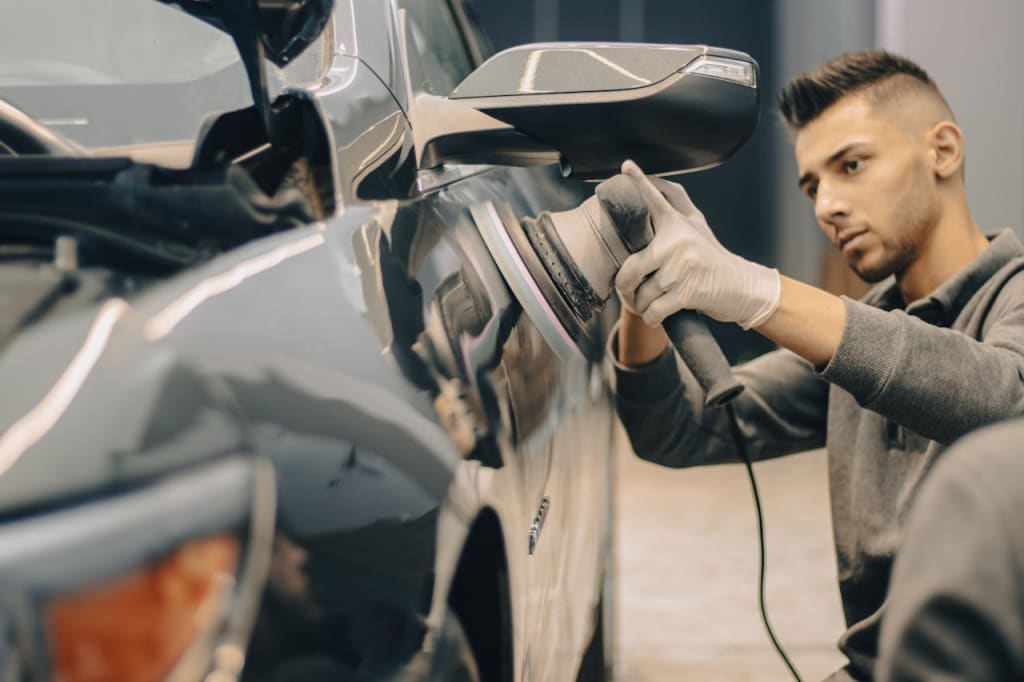
When your car picks up a few dings, chips, or scratches, it can be tempting to simply paint over them. It might seem like a fast and affordable solution, just add a fresh coat and move on. But if you’re considering that route, it’s worth taking a step back. Painting over existing damage isn’t just a superficial fix; it can cause more harm in the long run.
Let’s explore why this shortcut can be risky, what happens beneath that layer of paint, and why Auckland drivers should take a more thorough approach, especially with the city's weather and road conditions accelerating wear and tear.
A Fresh Coat Doesn’t Fix the Problem
Many people assume that paint will hide imperfections or halt further deterioration. In reality, paint is just a surface treatment. It won’t adhere properly to areas that are rusted, chipped, or flaking.
If your car has dents, rust patches, or deep scratches, these must be properly repaired before painting. Otherwise, the damage will continue to spread under the paint, leading to bubbling, cracking, or peeling. What began as a cosmetic issue could evolve into structural damage.
It Can Cost You More in the Long Run
Covering damage with paint might seem budget-friendly at first, but it often leads to higher costs down the road. If corrosion spreads unseen beneath the surface, repairs become more extensive and expensive.
In Auckland, many body shops won’t repaint a car unless the surface is fully prepped. If a previous poor job needs to be reversed, you'll pay more for sanding, stripping, and redoing the work. This applies whether you're doing it yourself or hiring someone for a quick fix without proper preparation.
It’s a bit like applying wallpaper over a cracked and damp wall. The problem is still there, just hidden.
Your Car’s Value Takes a Hit
If you're planning to sell or trade in your vehicle, painting over damage can negatively impact its value.
Buyers and vehicle inspectors can usually detect signs of a poor paint job. Uneven textures, mismatched colour, or bubbling areas are all warning signs. These hint at deeper issues and can make your car appear poorly maintained or even untrustworthy.
Rather than increasing the car's appeal, a rushed paint job can lead to suspicion and lower offers.
Paint Won’t Stick to Damaged Surfaces
Here’s a practical consideration: paint doesn’t hold well to unstable or unclean surfaces.
If the underlying body is rusting or flaking, even a quality primer won’t help. The paint will eventually lift and crack, leaving you worse off than before. Chips and imperfections will return and often spread further.
Even minor scratches need proper sanding and sealing before painting. Skipping these steps means the problem will just reappear sooner than expected.
What About DIY Scratch Repair Kits?
You've probably come across those touch-up kits and scratch pens in local auto shops. They promise a fast and easy solution. While they might slightly improve very minor flaws, they don’t tackle the core issue.
For anything deeper, these kits are like placing a plaster on a broken bone. They mask the damage, but don’t fix it. Surface-level treatments can offer temporary cosmetic improvement but won’t prevent rust or deterioration.
Leave It to the Experts
If your car has visible damage, whether from a fender bender or years of exposure. It’s best to let a professional handle it. That’s where a trusted Panel Beater in Auckland comes into play. These specialists do far more than restore appearances; they ensure your car is structurally sound.
They’ll repair dents, treat rust, straighten panels, and prep the surface thoroughly before painting. This ensures a long-lasting, clean finish that not only looks great but also protects your car from further wear. Unlike quick fixes, professional panel beating preserves your car’s value and integrity.
Minor vs Major Damage: Know the Difference
Not all marks require professional repair, but it’s important to distinguish between what you can handle and what needs expert care:
Very light surface scratches: Can often be polished out or lightly touched up.
Deeper scratches or paint chips: Require sanding, filler, and proper priming before paint.
Rust patches or dents: Should be evaluated and fixed by professionals.
Peeling paint or cracked panels: Likely signs of deeper structural damage.
Knowing the severity of the damage can help you make better choices and avoid future issues.
Think Beyond Just Looks
A flawless paint job is visually appealing, but it shouldn't come at the expense of your car's overall health. Painting over flaws is like sweeping problems under the rug. It may look tidy, but it’s not truly fixed.
Taking the time to address rust, dents, and scratches properly means you’re not just improving the car’s appearance. You’re also protecting its frame and preserving its market value. A solid repair foundation leads to a finish that truly lasts.
Quick Fixes Can Cost You More
It’s tempting to take shortcuts when time or budget is tight, but painting over damage is often one of those decisions that backfire.
If you’re serious about your vehicle’s longevity and look, invest in proper repairs. Whether it’s sanding down a scratch, treating rust, or reshaping a dent, those steps are essential.
Before you reach for that spray can, ask yourself: Are you fixing the issue or simply covering it up?
For car owners in Auckland, trusting a qualified local repair professional is the smarter choice. They’ll make sure your car looks its best and stays that way.
About the Creator
Keep reading
More stories from Write Forge and writers in Wheel and other communities.
Do You Really Need a Fashion Consulting Firm for Your First Collection?
Creating a first fashion collection feels exciting and slightly overwhelming at the same time. Many new designers begin with a clear artistic vision, yet the actual process of turning that vision into something real can feel like a giant puzzle. Questions around fabric sourcing, production timelines, branding, and cost control usually appear early and quickly. It is natural to wonder whether hiring outside support is necessary or whether you can figure things out on your own.
By Write Forge23 days ago in Styled
Road Trips and the Reality of Animal Collisions
Road trips — what can be a better way to enjoy a holiday? Get together with your family or friends, pack all your things in your SUV or a van, load up some music you like, and set off for a big adventure. Driving through highways, watching the scenery change with little towns and mountains flying by.
By Michal Grayena day ago in Wheel




Comments
There are no comments for this story
Be the first to respond and start the conversation.