
Can you charge your electric car with a generator?
Can I charge my EV with a portable generator?
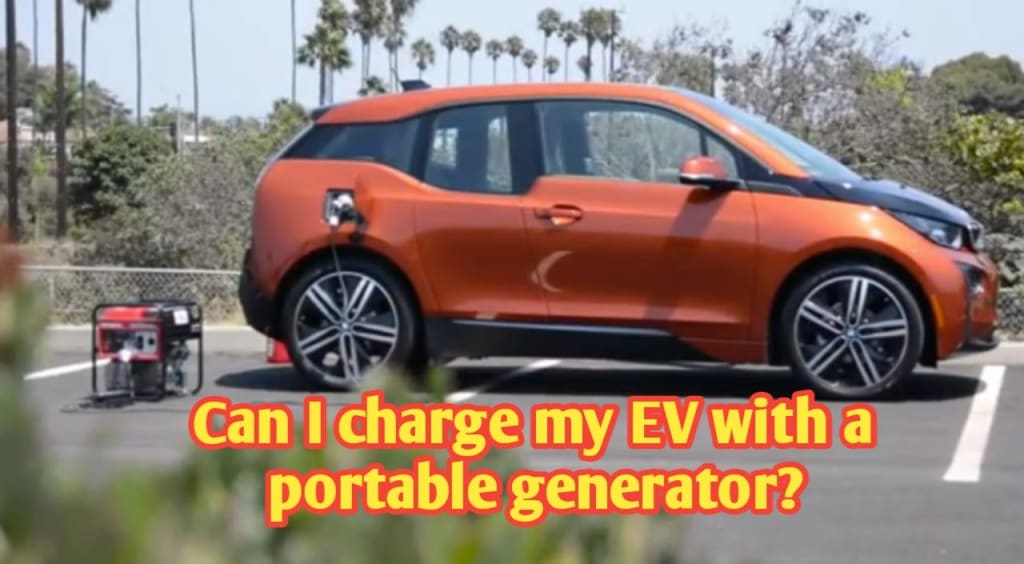
Yes, you can charge an electric car using a generator. However, it is not the most efficient or cost-effective method of charging an electric vehicle (EV). Generators are typically not designed to provide the high levels of power that are required to charge an EV quickly, and they can be expensive to run due to the cost of fuel. Additionally, running a generator for an extended period of time can produce harmful emissions and may be noisy.
There are more efficient and convenient ways to charge an electric car, such as using a home charging station or a public charging station. These methods can provide faster and more reliable charging, and they are often more cost-effective in the long run.
Can I charge my EV with a portable generator?
Yes, it is possible to charge an electric car using a portable generator. However, it is important to consider the limitations of a portable generator before attempting to use it to charge an EV.
One of the main limitations of a portable generator is that it may not be able to provide enough power to charge an EV quickly. Most portable generators are not capable of producing the high levels of power that are required to charge an EV at the same rate as a dedicated charging station. This means that it could take a very long time to charge an EV using a portable generator, which may not be practical for most people.
Additionally, portable generators are generally not as efficient as other methods of charging an EV. They may be more expensive to run due to the cost of fuel, and they can produce harmful emissions. Finally, portable generators can be noisy and may not be suitable for use in all locations.
Overall, while it is possible to charge an electric car using a portable generator, there are more efficient and convenient methods of charging that may be a better choice for most people.
How many watts do you need to charge an electric car?
The amount of power needed to charge an electric car (EV) depends on the size of the battery and the charging system of the vehicle. Most EVs have on-board chargers that can accept a range of power levels, and the actual amount of power required to charge the battery will depend on the state of charge of the battery and the charging rate that the vehicle is able to accept.
As a rough estimate, a typical EV with a 60 kWh battery that is charged from a level of 20% to 80% (a "typical" charge) will require around 22.8 kWh of energy. At 240 volts and a charging rate of 6.6 kW, this would take around 3.5 hours to charge the battery. However, this is just a rough estimate and the actual time required to charge an EV may vary depending on a number of factors.
It is generally recommended to use a dedicated EV charging station or a home charging station to charge an electric car, as these devices are designed to provide the high levels of power that are required to charge an EV efficiently.
How much does a 10000 watt generator cost?
The cost of a 10000 watt generator can vary depending on the brand, features, and power output. Prices for 10000 watt generators can range from around $700 to $3000 or more.
10000 watt generators are typically large, heavy-duty units that are designed for use in a variety of applications, including powering tools and equipment on construction sites, providing backup power for homes and businesses, and running recreational vehicles.
There are a wide variety of 10000 watt generators available on the market, so it is important to do your research and choose a unit that meets your specific needs and budget. Factors to consider when shopping for a 10000 watt generator include the type of fuel it uses (e.g., gasoline, diesel, propane), the level of noise it produces, and the features it offers (e.g., electric start, multiple outlets, wheels for easy portability).
What is the fastest way to charge an all electric vehicle?
The fastest way to charge an all-electric vehicle (EV) is to use a fast charging station, also known as a DC fast charger. These chargers use direct current (DC) power to charge the battery of an EV, and they are designed to provide a high level of charging power, typically in the range of 50 kW to 350 kW.
Fast charging stations are typically much faster than other methods of charging an EV, such as using a standard wall outlet or a Level 2 charging station. Depending on the size of the battery and the charging rate of the vehicle, it is possible to add a significant amount of range to an EV in as little as 30 minutes to an hour using a fast charging station.
Fast charging stations are widely available at public charging locations, including along major highways and in urban areas. Some automakers also offer fast charging networks that are available exclusively to their customers.
It is important to note that not all EVs are capable of fast charging, and some may have a lower maximum charging rate. Additionally, fast charging can be more expensive than other methods of charging, and it may put more strain on the battery, potentially reducing its lifespan.
How can I charge my electric car at home without a drive?
If you don't have a driveway or a garage at home, there are a few options you can consider for charging your electric car (EV).
One option is to install a portable charging station, also known as a "level 2" charger. These chargers can be plugged into a standard 240-volt outlet, such as those used for household appliances like clothes dryers and stoves. Portable chargers are relatively inexpensive and can be easily moved to different locations, making them a convenient option for charging an EV in a home without a drive.
Another option is to have a charging station installed at your home, either on the street or on a wall or pole on your property. This will typically require the approval of your local utility company and may require a permit. Charging stations that are installed on a permanent location can provide faster and more reliable charging, but they are generally more expensive than portable chargers.
Finally, you may be able to find public charging stations in your area that you can use to charge your EV. These stations are typically located in parking lots, garages, and other public areas, and they may be available for use for a fee.
Overall, there are several options available for charging an electric car at home without a drive, and the best option for you will depend on your specific situation and needs.
About the Creator
Keep reading
More stories from Ramji Thakur and writers in Wheel and other communities.
7 Cars You Should Never Buy Used in 2026
Buying a used car can be a smart way to save money, but not every vehicle holds up well over time. Some cars develop recurring mechanical issues, others come with expensive repair costs, and a few simply do not age gracefully. As we move into 2026, certain models and categories stand out as risky purchases in the used market. This article is not meant to criticize brands or owners, but to help buyers make informed decisions based on long-term reliability trends, ownership costs, and common complaints. Understanding which used cars to avoid can protect your budget and reduce stress after purchase.
By Austin Peck7 days ago in Wheel




Comments
There are no comments for this story
Be the first to respond and start the conversation.