
Can Car Recyclers Help Reduce Australia’s Metal Waste Crisis?
Understanding How Vehicle Recycling Supports a More Sustainable Future


If you’ve ever wondered what happens to old or damaged cars once they’re no longer useful, you’re not alone. Australia is facing a growing metal waste problem, and discarded vehicles are a major part of it. With millions of cars on the road and thousands reaching the end of their life each year, many Australians are asking whether car recyclers can play a meaningful role in reducing the country’s rising metal waste crisis. In this article, we’ll explore how car recycling works, why it matters, and how it contributes to a cleaner environment and more responsible resource use across Australia.
What Is Australia’s Metal Waste Crisis?
Australia generates hundreds of thousands of tonnes of metal waste every year. A large portion of this comes from scrap steel, aluminium, copper, and other metals found in old machinery and vehicles. Metal waste has always been part of modern life, but over the years, landfills have become increasingly overloaded. Millions of items that could be recycled still end up buried instead of reused, which contributes to environmental damage, higher landfill costs, and unnecessary resource loss.
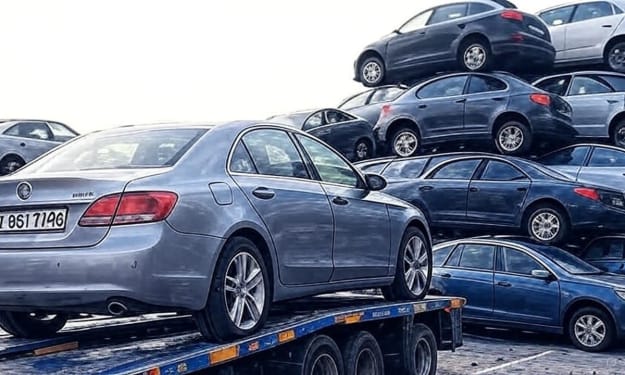
Cars add significantly to this issue. As vehicles age, break down, or get damaged beyond repair, they often end up abandoned on properties, left on roadsides, or dumped into landfills. Each car that isn’t recycled becomes part of Australia’s growing metal waste challenge.
How Do Car Recyclers Work?
Car recyclers are businesses that specialise in dismantling old, unwanted, or damaged vehicles. Their job is to remove usable parts, recycle valuable metals, and safely dispose of hazardous materials like oils, battery acids, and coolants. A modern recycling facility uses advanced machinery to break down vehicles efficiently and safely.
The process usually involves these steps: inspecting the car, removing reusable parts, draining all fluids, separating metal types, shredding the vehicle body, and sending the metals to smelters for reuse in manufacturing. In many cases, more than 80% of a car can be recycled, which makes car recycling one of the most efficient forms of metal recovery today.
Why Are Car Recyclers Important for Sustainability?
Car recyclers play a crucial role in reducing waste and protecting the environment. By recycling metal, they help lower the need to mine new raw materials, which reduces land disruption, energy consumption, and harmful emissions. Reusing vehicle parts also helps keep older cars on the road longer, reducing manufacturing waste and lowering demand for new materials.
Every recycled car contributes to less landfill usage, less contamination from hazardous fluids, and fewer abandoned vehicles across Australia. When done correctly, car recycling supports sustainable industry practices and strengthens the circular economy—an approach that turns old materials back into something useful instead of wasting them.
Can Car Recycling Reduce Metal Waste in Australia?
Yes, car recycling has the potential to make a significant difference. Australia discards thousands of cars annually, and many of these vehicles contain large amounts of steel, aluminium, and other metals that can be recovered instead of wasted. When car recyclers dismantle and process these vehicles, they help redirect metal away from landfills and into manufacturing businesses that use recovered metals and parts in their production.
However, the level of impact depends on how many Australians choose recycling over disposal. Public awareness, convenience, and access to reliable recycling services all play a role. Many recycling companies offer free towing or instant payments to encourage people to dispose of old vehicles responsibly. Businesses across the country—including the best cash for cars Perth providers—also support recycling by ensuring unwanted vehicles are processed safely and sustainably.
What Materials Do Car Recyclers Recover?
Car recyclers extract a wide range of materials from vehicles—many of which are highly valuable and easily reusable. Steel is the most common material, and it can be melted down and used to produce new products without losing quality. Aluminium from engine blocks, rims, and frames is also frequently recovered, along with copper wiring, catalytic converter metals, and various plastics.
The recycling of these materials reduces Australia’s dependence on imported metals and lowers the overall energy used in manufacturing. Since producing metal from recycled material uses far less energy than mining new ore, car recycling directly contributes to reduce pollution and cut down the energy needed for production.
How Vehicle Recycling Helps the Environment?
Vehicle recycling helps protect the environment in several ways. First, it prevents hazardous substances—like oil, transmission fluid, brake fluid, and battery acid—from leaking into soil and waterways. Without proper disposal, these substances can cause serious damage to ecosystems and public health.
Second, recycling metal reduces greenhouse gas emissions. Mining and metal production are energy-intensive industries, but using recycled metal requires significantly less energy. This helps reduce the environmental impact associated with manufacturing new cars and other metal-based products.
Third, car recycling helps eliminate abandoned vehicles that contribute to visual pollution and land contamination. By removing and processing old cars, recycling facilities help cities and communities maintain cleaner, safer environments.
Will Australia’s Metal Waste Problem Improve Through Car Recycling?
While car recyclers cannot solve the metal waste crisis entirely on their own, they play a major role in addressing the problem. The more Australians choose recycling, the more metal can be reused instead of lost to landfills. Government policies, public participation programs, and growing environmental awareness further support efforts to reduce waste.
Australia already has strong recycling networks, and with ongoing improvements, the auto recycling industry may help the country significantly reduce metal waste over the next decade. The combination of better technology, stronger recycling systems, and community awareness makes a positive outcome more achievable.
Final Thoughts
Car recyclers are a vital part of Australia’s strategy to reduce metal waste. They recover valuable materials, protect the environment from harmful chemicals, and help reduce the growing pressure on landfills. While they cannot eliminate the metal waste crisis entirely, their contribution is significant and continues to grow as more people become aware of sustainable disposal options.
About the Creator
Keep reading
More stories from Austin Peck and writers in Wheel and other communities.
The Growing Trend of Turning Old Cars into Instant Payouts
If you’ve got an old, damaged, or unused car cluttering your driveway, you might be curious about your options. In Australia, especially in Melbourne, a rising trend is transforming these vehicles into instant cash through scrap car buyers. This straightforward and eco-conscious approach allows you to dispose of unwanted cars while earning money. In this article, we’ll dive into why this trend is booming, how the process works, and strategies to get the most value from your vehicle when selling to a scrap car buyer in Melbourne.
By Austin Peck3 months ago in Wheel
Reducing Scrap And Rework: How Checking Fixtures Improve Quality And Lower Costs In Automotive Manufacturing
In automotive manufacturing, where margins are tight and production volumes are high, even small dimensional errors can snowball into significant financial losses. Scrap, rework, warranty claims, and line stoppages all stem from one core issue: parts that do not meet design intent.
By Alexander Belsey7 days ago in Wheel
Top 10 Pickup Trucks Every Aussie Should Consider in 2026
Choosing the right pickup truck can make a huge difference in daily life, whether you’re hauling gear for work, towing a trailer, or exploring the Australian outback. With 2026 just around the corner, several models are standing out for their performance, reliability, and features. In this guide, we’ll cover the top 10 pickup trucks that every Aussie should consider this year, helping you to pick the right vehicle for your daily life and long-term plans.
By Alec Johnson4 days ago in Wheel



Comments
There are no comments for this story
Be the first to respond and start the conversation.