
Built for the Backcountry: Why Overlanders Rely on the Right Gear to Go Further
A practical look at why smart storage, tough gear and the right setup matter when the road gets rough.
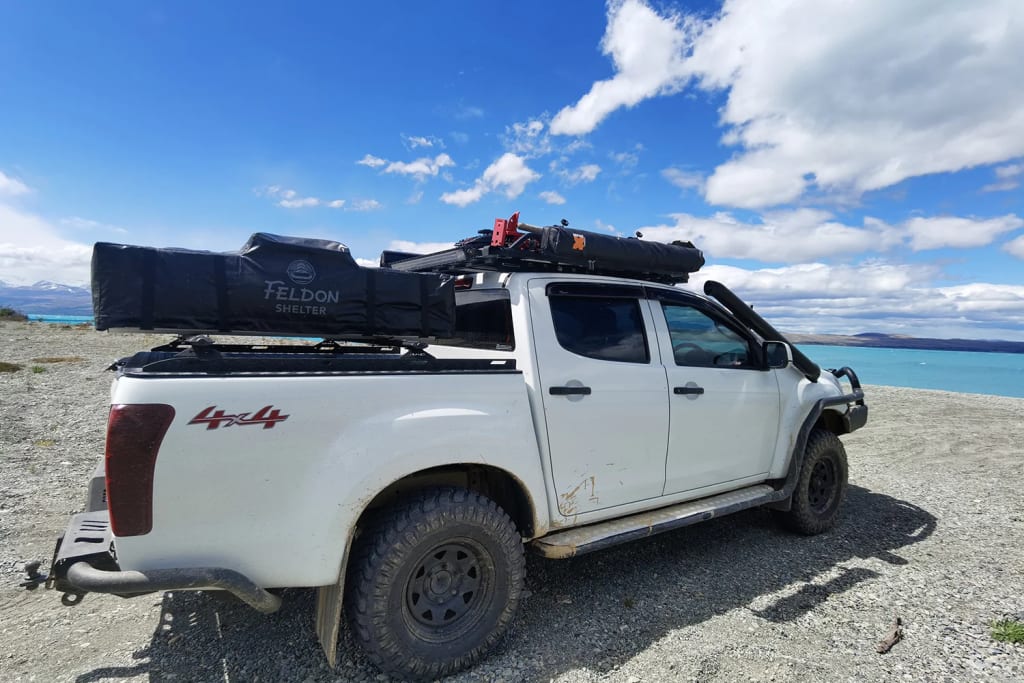
Every off-roader is familiar with a certain moment. Everything shifts as you get off the freeway and your tires strike gravel. The sound fades away. The land becomes accessible. At last, the journey starts. Overlanding serves as a reminder of your modest size and your potential when you are ready, whether you are exploring coastal fire paths or venturing into high-country tracks.
However, preparedness is crucial.
Only when your equipment is secured in, your car is properly configured, and your storage systems are dependable can you enjoy the freedom of overlanding. Out here, a weather-worn cover, a loose strap, or a shaky hinge might mean the difference between an exciting adventure and a costly retrieval expedition.
The Foundation of a Good Setup
One word sums up overlanding success when you look past the Instagram-worthy pictures of rooftop tents and sunset campsites: practicality. Making sure your vehicles can accommodate your needs is always the first step. It is necessary to store recover boards, tools, spare parts, cooking equipment, tents, fuel, water, and personal kits in a safe and convenient location.
For ute drivers, the rear deck is the heart of that system. A strong, secure hard lid becomes more than just a cover. It turns the tray into a dependable storage base that keeps gear dry, accessible and locked away. Overlanding punishes weak equipment, so lids built from durable alloy with reinforced brackets and high load ratings quickly become non-negotiable. When your lid can support crossbars, racks or even a rooftop tent, your vehicle transforms from a work ute into a genuine touring platform.
Weather, Weight and the Realities of the Trail
Conditions can change quickly, as anybody who has crossed a river after a storm or spent a night in the rain will attest. No matter how well you pack, dust, mud, hail, and salt air won't care. The kind of moisture creep that may destroy electronics, sleeping bags, and recovery equipment in a single afternoon is prevented with a weather-resistant lid.
Load rating is equally important. Overlanding setups can become substantial, particularly when tents, motorcycles, or jerry cans are included. Mountable accessory choices are completely expanded with a 200 kg or 300 kg lid. You should be able to secure what you want without worrying about whether the panels or hinges will hold.
Compatibility Makes Life Easier
Experienced travellers discover early on that compatibility is crucial. The equipment you select should be compatible with standard rack systems, reliable accessory brands, and add-ons like as fishing rod holders or bike bags. Every time you upgrade or rearrange your system, you come to value the quiet luxury of being able to tailor your design without drilling, welding, or inventing hardware.
This is taken into consideration when designing the best lids and accessory systems. You may spend more time planning routes and less time struggling with bolts thanks to its simple fitting, clean alignment with factory mounting points, and long-term serviceability.
Security Matters More Than You Think
Not only does remote travel put your car to the test, but it also challenges your confidence in your gear. Knowing that your equipment is securely stowed up transforms your entire experience, whether you are stopping at a trailhead café, refuelling in a tiny town, or setting up camp for the day. One of those characteristics that may seem convenient at first is central locking compatibility, which saves you from having to make the long walk back to the ute because you neglected to check the latches.
A hard lid that integrates cleanly with your vehicle’s locking system reduces stress and protects your gear when you need it most.
The Quiet Value of Quality
Gear for overlanding is not for style. It's an investment. Over years of use, thousands of kilometres, and all the unforeseen obstacles encountered along the way, good equipment pays for itself. In challenging conditions, a lid composed of 4mm aluminium chequer plate with stainless steel fittings has a long, reliable lifespan. Without warping or failing, it can withstand high loads, rain, and knocks. That dependability becomes a component of the journey. You begin to consider where you want to travel next rather than if your equipment will survive.
A Vehicle Built for Your Version of Adventure
Each overlander constructs their rig in a unique way. Some are quick and light packs. Others bring anything from photography equipment to portable refrigerators. While some pursue coastlines, others pursue mountains. The nicest aspect is that there isn't just one correct method to accomplish it. But a solid foundation is a commonality among all excellent arrangements.
1. A durable hard lid built for real conditions.
2. Accessories that fit without fuss.
3. Storage you can depend on.
4. Equipment that grows with your ambitions.
When those components come together, your ute becomes a launchpad rather than a vehicle. The far-off roads seem closer. The equipment feels lighter. The world seems more accessible. All of a sudden, every weekend appears to be a chance that is just around the corner.
About the Creator
Keep reading
More stories from writers in Wheel and other communities.
7 Cars You Should Never Buy Used in 2026
Buying a used car can be a smart way to save money, but not every vehicle holds up well over time. Some cars develop recurring mechanical issues, others come with expensive repair costs, and a few simply do not age gracefully. As we move into 2026, certain models and categories stand out as risky purchases in the used market. This article is not meant to criticize brands or owners, but to help buyers make informed decisions based on long-term reliability trends, ownership costs, and common complaints. Understanding which used cars to avoid can protect your budget and reduce stress after purchase.
By Austin Peck7 days ago in Wheel
Rego Hacks That Save Hundreds in 2026
Vehicle registration is one of those unavoidable expenses that many drivers accept without question, yet a closer look often reveals opportunities to save real money. As 2026 approaches, changes in transport policies, vehicle classifications, and digital systems mean drivers who stay informed can reduce rego costs legally and with minimal effort. Whether you own a daily commuter, a secondary car, or an aging vehicle you barely use, understanding how registration works can help you avoid paying more than necessary.
By Austin Peck6 days ago in Wheel
The Devil's Cut
“Comrade, finally you’re awake.” The voice was smooth, sensual. A flickering incandescent bar was all that lit the white, sterile room. All Vladimir remembered was everything going black. He tried to move his arms and found them strapped to the gurney.
By Matthew J. Fromm6 days ago in Fiction


Comments
There are no comments for this story
Be the first to respond and start the conversation.