
Basic Vehicle Maintenance After Off-Roading
Essential Vehicle Care Following Off-Road Adventures


Off-roading is an exhilarating adventure that puts both you and your vehicle to the test. But once the dust settles and the adrenaline fades, giving your ride some love is crucial. Basic vehicle maintenance after off-roading isn't just about keeping your car in tip-top shape; it's also about ensuring your next adventure is just as thrilling. These simple steps can make a difference, from checking tire pressure and inspecting undercarriages for debris to cleaning air filters and giving that engine a thorough look.
So gear up, and let's explore some simple yet effective maintenance tips to prepare your vehicle for whatever trail comes next.
Why Post-Off-Road Maintenance is Crucial for Vehicle Longevity?
Post-off-roading maintenance is essential for ensuring the longevity and durability of your vehicle. Off-road adventures can be exhilarating, but also subject your truck to harsh conditions that can lead to wear and tear. Performing thorough post-adventure checks helps identify potential issues before they escalate, safeguarding your investment and safety on future outings.
After an off-road excursion, inspecting various truck parts, including suspension systems, tires, and undercarriage components, is crucial. Debris, such as mud, rocks, and water, can accumulate in hard-to-reach areas, leading to corrosion or mechanical failure if not addressed promptly. Regular off-road vehicle care enhances performance and extends the lifespan of essential components.
Inspecting Your Vehicle After Off-Roading
Here's a detailed guide to help you carry out an effective off-road damage assessment using a thorough vehicle inspection checklist:
- Exterior Inspection: Start by examining your vehicle's body for any dents, scratches, or paint damage that may have occurred during your adventure. Pay special attention to the areas most exposed during off-roading.
- Tire and Wheel Checks: Inspect each tire for signs of wear and tear, including cuts, punctures, or bulges that could affect performance. Ensure the tire pressure is at recommended levels and check for any debris lodged in the tread or around the wheels.
- Suspension Inspection: Carefully inspect your vehicle's suspension system for any visible signs of damage, such as leaks from shock absorbers or misalignment issues. Check bushings and other components for wear that can affect ride quality and handling.
- Fluid Levels Check: It's essential to monitor fluid levels after off-roading; this includes engine oil, transmission fluid, brake fluid, coolant, and differential fluids. Look for any leaks under the vehicle that might indicate potential problems.
- Underbody Examination: Finally, get under your car to check for any damage to critical components like the exhaust system or fuel tank. Look for loose parts or anything out of place that may need immediate attention.
Techniques and Best Practices
Mud removal methods should be a priority. After an adventurous ride, allow the mud to dry slightly before cleaning it, making it easier to remove. Use a high-pressure hose or pressure washer, aiming at the undercarriage where mud accumulates. Pay special attention to wheel wells and suspension components, as these areas can trap dirt and debris that may affect performance.
When it comes to undercarriage washing techniques, using a dedicated undercarriage spray nozzle can significantly enhance your cleaning process. This tool allows you to reach difficult spots effectively. Additionally, consider applying a rust inhibitor after washing; this protective layer helps shield vulnerable metal components from corrosion caused by moisture and road grime.
To care for the exterior of off-road vehicles, begin with a thorough rinse using clean water before applying soap specifically designed for cars—avoid household detergents, as they can strip protective waxes. Follow up with soft brushes or microfiber cloths to gently scrub the exterior surfaces. Rinse thoroughly again after soaping your vehicle.
Tire Care
Off-road tire maintenance begins with a thorough inspection of tread wear. Rugged conditions can lead to uneven wear patterns that may not be immediately visible. Regular checks can prevent issues like decreased traction or blowouts in the future.
One critical aspect of post-off-roading maintenance is adjusting tire pressure. Tires can lose pressure on challenging terrains due to impacts and temperature fluctuations; thus, checking and adjusting tire pressure back to the manufacturer's recommended levels after your adventure is vital. This adjustment not only enhances performance but also ensures safety during subsequent drives.
Furthermore, it is advisable to rotate tires after off-roading excursions to ensure even tread wear on all tires. This routine helps prolong the lifespan of your tires and preserves their handling performance. By adhering to these recommendations—checking tread wear, modifying tire pressure, and rotating tires—you can guarantee that your off-road journeys won't hinder the performance of your vehicle's most vital contact areas with the ground: its tires.
Keeping Your Engine Healthy
Maintaining your vehicle's fluids is crucial, especially after off-roading adventures that can strain your engine significantly. One of the most important aspects of this maintenance is understanding the engine oil change frequency following off-roading. Generally, it's advisable to change your engine oil more frequently if you've subjected your vehicle to rough terrain and extreme conditions. This is because off-road driving can introduce dirt and debris into the oil, potentially compromising its effectiveness. A good rule of thumb is to consider an oil change every 3,000 to 5,000 miles after heavy off-road use.
In addition to engine oil, checking the coolant level after off-roading is essential for maintaining optimal performance. Off-road driving can raise engine temperatures and potentially lead to overheating. Regularly inspecting the coolant level helps prevent damage from insufficient cooling capacity during intense driving conditions.
Lastly, transmission fluid maintenance tips are essential for prolonging the life of your vehicle's transmission system. After an off-roading excursion, check the transmission fluid for any signs of contamination or degradation. It may be time for a fluid replacement if you notice a burnt smell or dark discoloration. Keeping up with these fluid checks and replacements will not only keep your engine happy but also enhance the longevity and reliability of your vehicle overall.
Preventative Measures Go a Long Way
Scheduling regular maintenance checks for off-road vehicles is crucial for ensuring their longevity and optimal performance. These preventative measures can help identify potential issues before they escalate into costly repairs. Regular inspections allow vehicle owners to keep track of wear and tear on critical components, such as tires, brakes, and suspension systems.
Preventative vehicle care tips include checking fluid levels, inspecting belts and hoses for wear, and ensuring all electrical systems function correctly. Regular interior and exterior cleaning prevents corrosion and maintains the vehicle's aesthetic appeal.
The benefits of routine inspections extend beyond simply avoiding breakdowns; they also enhance safety on rugged terrains. A well-maintained off-road vehicle is less likely to experience mechanical failure during an adventure, providing peace of mind for drivers and passengers alike. Moreover, consistent maintenance can improve fuel efficiency, saving money in the long run while contributing to a more sustainable driving experience. Emphasizing the importance of these checks helps ensure that off-road vehicles remain reliable companions in any outdoor expedition.
About the Creator
Jen Demkin
Hi, I'm Jen from 4WheelOnline. My fascination with vehicles started in my childhood. I like cars more than dolls. I enjoy writing about automotive industry news, vehicle maintenance tips, and more.
Keep reading
More stories from Jen Demkin and writers in Wheel and other communities.
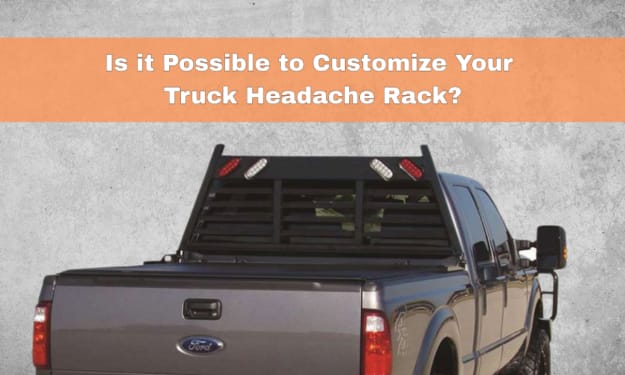
Is it possible to Customize Your Headache Rack?
Customizing a headache rack can be a rewarding project when it comes to enhancing the functionality and aesthetics of your vehicle. Many truck owners ask whether it's truly possible to tailor this essential accessory to meet their specific needs, and the answer is yes. Customization options abound, allowing you to select features that align with your lifestyle and preferences. Let's explore the possibilities of customizing this vital piece of equipment.
By Jen Demkin10 months ago in Wheel
A Historic Waterwheel Returns to Family Roots Along the Riverbank
The story of a Historic Waterwheel Returns to Family Roots is more than a tale of wood and water. It is a story of memory, family honor, and deep love for local history. For many years, the old waterwheel stood silent near the bend of a quiet river. Time and storms had worn it down. The wood had faded. The iron had rusted. Yet the spirit of the wheel never faded in the hearts of the family who once built and cared for it.
By Grady Gaston7 days ago in Wheel
Why Elon Musk Keeps Cutting Tesla Prices And What It Means For The Future Of EVs
The discounts keep coming, the stock keeps shaking, and the EV future suddenly feels a lot less predictable I remember the first time I realized Tesla had quietly dropped the price of a car I’d been obsessively speccing out.
By abualyaanart4 days ago in Wheel



Comments
There are no comments for this story
Be the first to respond and start the conversation.