
All About Recreational Electric Vehicles 101
Recreational electric vehicles have many advantages like safety and reduced pollution. Learn about e-vehicles and how to integrate it with other systems.

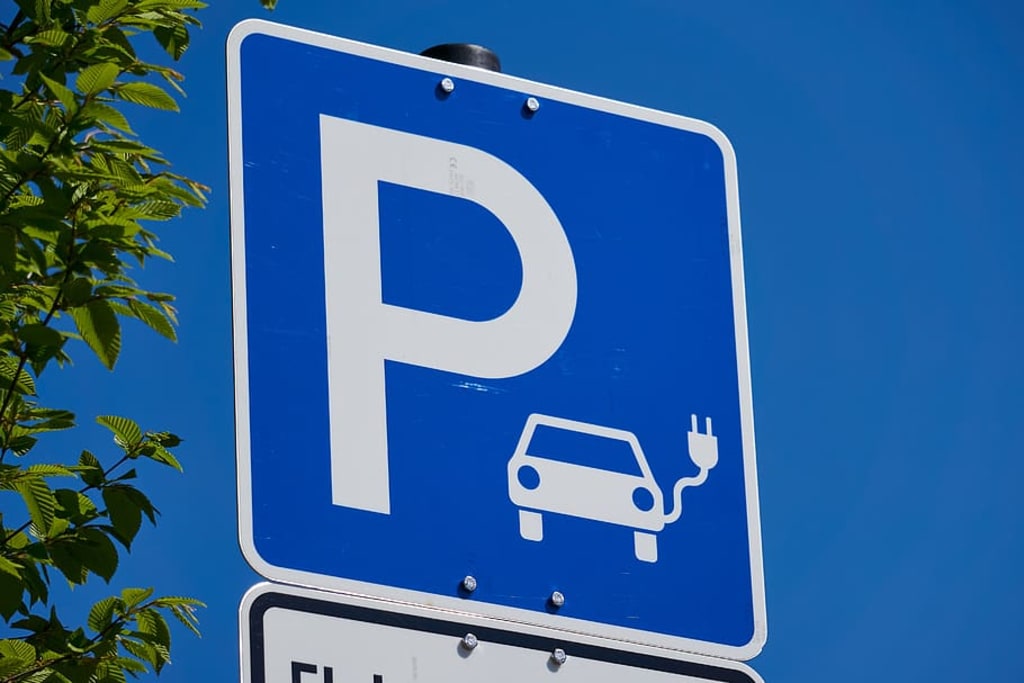
Although recreational electric vehicles are more expensive to purchase now, they are cheaper in the long run in terms of upkeep, fuel, and taxes. A fully electric automobile has no vehicle excise duty because it emits no carbon dioxide. Because of the fact that electric vehicles have fewer moving parts, they are also less expensive to repair.
A convertible electric vehicle is not just the way of the future but also the answer to traffic congestion. Apart from that, it is the answer to our daily commuting stress. From rides to components and accessories, electric vehicle groups advocate the sustainability that these recreational electric vehicles may bring into the consumer's life.
Various leading car manufacturers focus on these kinds of transportation as part of their long-term strategy. Electric mobility holds promise as an alternative to conventional carbon-emitting fossil fuels. In turn, it helps renew the natural resources and protect the planet Earth.
REVs are also at the forefront of the electric vehicle revolution. An electric vehicle starts from rest and accelerates to perfection. It maintains its dominance by providing a high-quality riding experience and ensuring that each ride is a fantastic choice.
Best of all, it actually comes in a variety of styles and sizes. It's a catch-all word for any electrified vehicle, from fully electric to those with a battery to boost efficiency or performance.
A Look at the Various Types of Electric Vehicles
Currently, there are three types of electric vehicles on the market. Find out what distinguishes them from one another in this article.
When you think of an electric vehicle, the first thing that comes to mind is a battery electric vehicle (BEV). They use a battery-powered electric motor instead of diesel engines. A dedicated home charge station can be used to recharge at home. They don't have a tailpipe because they don't produce any pollutants.
The range of an electric recreational vehicle is affected by several factors, including the battery size. Nissan Leaf, Tesla Model S, and Renault Zoe are just a few examples.
BEVs can be expensive despite the absence of tailpipe emissions, lower operating costs, and other benefits. It takes longer for it to charge than to fill a tank of gas. You might be able to complete your daily commute on electric power if you have a fully charged BEV.
Plug-in hybrid electric vehicles (PHEVs) have an electric motor powered by batteries and an internal combustion engine powered by another fuel, such as gasoline. It will start in a recreational vehicle and run on energy until the battery pack is drained. You can also keep the electric range for usage in the city.
When driven with electric propulsion, PHEVs produce no exhaust emissions and are theoretically more efficient than internal combustion engine vehicles. PHEVs can relieve consumers' natural or imagined range anxiety.
The Mitsubishi Outlander PHEV, Volkswagen Passat GTE, and Volvo XC60 Recharge are three of the better examples.
Even though it can make shorter trips in electric mode, the batteries are more expensive than regular automobiles. Their weight lowers efficiency, especially on highways; a smaller gasoline tank demands more frequent fill-ups on longer trips, and their electric range is limited.
Recreational electric vehicles that combine electricity with a gasoline or diesel engine are hybrid electric vehicles (HEVs). Hybrids or self-charging hybrids are terms used to describe them.
Because the engine is the primary source of electricity, unlike a PHEV, an HEV cannot be linked to the power grid.
You shouldn't expect much more than a few miles of pure electric range at moderate speeds due to the battery's small size. Owning a hybrid has tax advantages because it emits less CO2 than a gasoline or diesel vehicle.
On city streets, regenerative braking is well-known for its excellent efficiency. It recharges batteries and does not require a plug, making it less expensive than BEVs and PHEVs. On longer journeys, however, it is inefficient.
The Verdict
There are many different types of REV’s in today's market. They varies in size, build, range, electric vehicle system integration and capacity. Most importantly, you have the power to select the best among the best. It would be useful if you conducted extensive research to get the ideal car for your requirements.
Electric scooter commuting is part of a new micro-mobility trend to address the so-called "last mile" problem. Most of the time, the last mile is the hardest part of a journey, whether walking from the bus stop to your respective office or driving off a highway to get somewhere.
One of the essential advantages of electric vehicles is that they enhance the air quality in cities. Because electric vehicles more often than not, do not have an exhaust system, they do not emit carbon dioxide making it environment friendly.
If the best REV is what you are looking for, try visiting Electric2Fun today. Order the perfect solo riding buddy if you're looking for a sustainable and efficient ride of a lifetime. Thanks to its stylish design and massive motor power, you'll feel excellent about the best selections you've made.
About the Creator
Michelle Aban
I work as an SEO Content Strategist, Social Media Manager, Digital Marketer, Freelancer & an ESL Teacher. I enjoy sharing my experiences & knowledge, as well as promoting things that I give a significant impact on the lives of others.
Keep reading
More stories from Michelle Aban and writers in Wheel and other communities.
Tips on How to Change an Electric Scooter Wheel
An electric scooter wheel is arguably the most important component of an e-scooter. You're going nowhere without them. Unfortunately, tires do not endure forever and occasionally run flat or become punctured. While not all top e-scooters are the same, most similarly replace an electric wheel. So, if you're wondering how to change a wheel and electric scooter tire, let us show you how.
By Michelle Aban3 years ago in Wheel
The Ultimate Checklist Before Selling Your Car to a Wrecker
If your car has reached the end of its life or has serious damage, selling it to a wrecker can be a fast and convenient solution. Many car owners assume wreckers only provide scrap value, but professional wreckers often pay based on the condition and reusable parts of your vehicle.
By Alec Johnson5 days ago in Wheel
Why BMW Still Builds Inline-Six Engines When Others Don’t
For decades, most car manufacturers have moved toward smaller four-cylinder engines or compact V6 designs. They’re easier to package in modern cars, cheaper to build, and often simpler to fit into tight engine bays. Yet BMW continues to invest heavily in inline-six engines. From classic engines like the M54 to modern units such as the B58 and S58, the straight-six remains central to the brand’s identity. The reason isn’t nostalgia, it’s engineering.
By MT Auto Parts – BMW Specialists from the UK2 days ago in Wheel


Comments
There are no comments for this story
Be the first to respond and start the conversation.