
A Quick and Easy Guide to Winterizing Your Vacuum Truck
Guides of Fleets of Vacuum Truck

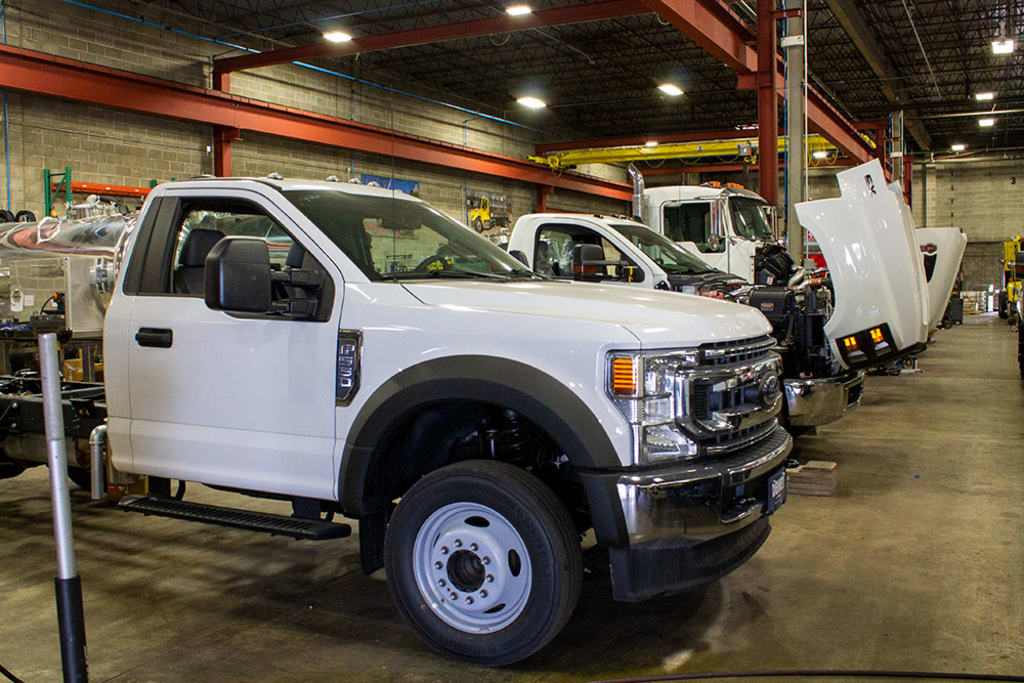
It comes to no surprise that winter weather is upon us. Soon, many regions will be experiencing accumulations of snow and ice, as well as harsh, blistering winds. While the severity of these conditions vary from one region to another, the sentiment remains: if you’re not ready to winterize your fleet of vacuum trucks, you’re going to be facing some issues.
Proper maintenance throughout the colder months are imperative for ensuring the life of your vacuum trucks. Failing to do so will lead to expensive repairs, such as broken hoses, frozen gauges, pump failures, and ruptured water tanks. Of course, this is just to name a few of the possibilities that could leave you with a high repair bill. To avoid this, check out our quick winterization guide below!
1.) Prepping the Water Tank
Routinely maintaining the water tank on your vacuum truck isn’t just for winter, it’s something you should do year round. If your water tank isn’t currently in use, make sure to leave it empty. While it may seem easier to leave the water in there until next time, these are just a few of the reasons you should go ahead and drain :
- Should the inlet filters or gaskets become damaged, unwanted material can enter the water tank. This debris has potential to damage rodder pump seals and clog the oil cooler.
- Unwanted materials can also enter the water tank through the air vent. Any kind of contaminants from inclement weather conditions can also damage the water system.
- Above all else, regularly draining the water tank can extend the overall life of your water system.
2.) Check the Fluids
This is an important step in any kind of vehicle maintenance, but can be especially true for vacuum trucks. During the winter months, it is vital to check on the following fluids regularly :
Antifreeze and Coolants: Most of the time, you need a 50/50 mix of coolant and antifreeze, but when it’s frigid outside, it may be wise to increase the amount of antifreeze in the ratio. The purpose of antifreeze is to maintain your vacuum truck’s radiator and engine and protect them from freezing.
Oil: Did you know that your vehicle doesn’t use the same amount of oil in the winter as it does in the summer? Because of this, it is best to research which type of oil you will need for your vacuum trucks. If your oil becomes too cold, it will have a more difficult time moving through your engine which inhibits the proper lubrication of important components.
Fuel: If your vacuum truck uses diesel fuel, then you are already aware that there are extra precautions you have to take come winter. If your truck is too cold, it can gel up and become crystallized. This can clog injectors and cause damage to your vacuum truck. To avoid this, check the cetane rating - the higher you can get, the better.
3.) Examine Major Components
With winter knocking at our door, it’s always wise to take the extra time necessary to check over major components that can become compromised during cold weather. We suggest starting with these:
Tires: Of course, you want to have the right tires equipped to handle difficult driving conditions. Inspect your current tires for worn tread. A low tread depth can lead to hydroplaning in rain or snow.
Brakes: When roads are treated ahead of icy conditions, salt is typically used. Brakes and salt do not mix, as this can lead to rusting and corrosion. When this occurs, it can cause your brakes to lock up. Avoid this by making sure your brakes are clean.
Battery: Cold weather can decrease a car battery’s capacity by up to 20%. This means that an unreliable battery could leave you stranded in freezing temperatures, which is extremely dangerous. Be sure to replace your vacuum truck’s battery or get it tested before winter hits.
About the Creator
FlowMark Vacuum Trucks
FlowMark Vacuum Trucks is the world-leading producer of the highest quality, fully engineered trucks. We have the nation's largest inventory of chassis tanks and ready-to-work vacuum trucks at our facility .
Keep reading
More stories from writers in Wheel and other communities.
Road Trips and the Reality of Animal Collisions
Road trips — what can be a better way to enjoy a holiday? Get together with your family or friends, pack all your things in your SUV or a van, load up some music you like, and set off for a big adventure. Driving through highways, watching the scenery change with little towns and mountains flying by.
By Michal Grayen3 days ago in Wheel




Comments
There are no comments for this story
Be the first to respond and start the conversation.