
4 Simple Things You Need To Know About Your New Car
Make sure you do the research when investing in your new wheels


When buying a ‘new’ car, it may be second-hand, brand new, an upgrade on a current model, or perhaps previously owned by a friend or family member. But whatever the age, make, and model of your car — and however long you have owned it for — there are some key things which you should always make sure you know about it before completing the purchase.
Knowing these facts can help things to go smoothly in the event of needing maintenance or emergency roadside cover, for example, or even just when filling out regular forms, insurance renewals, and more. They can also be vital to know in the event that you want to sell the car in future.
Additionally, knowing your car well will help you to extend its life and gain years of additional use and optimum performance.
Number 1: The Maintenance Schedule
Knowing when your car is due to be maintained is essential, as the maintenance schedule (such as whether it should be checked after a certain number of years or miles, for example) can be specific to the make and model of the car.
But whether you know the details of the maintenance schedule or not, regular upkeep and checks are essential. This will not only help to ensure the safety of the vehicle you drive, but it may also be the key to years of comfortable motoring and best use.
Regular maintenance at a reputable garage also helps to identify and solve small problems before they have a chance to become major issues – and this is much more cost-effective overall.
Don’t be hit by a huge maintenance bill out of the blue for a problem you allowed to get worse and worse! Small, regular checks are better for your car — and your budget.
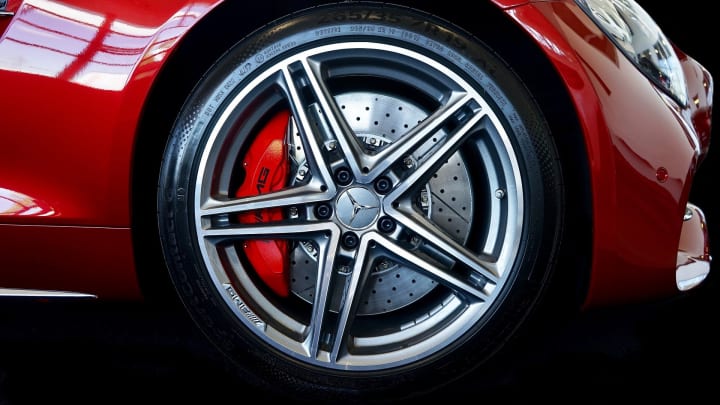
Number 2: Tyre Pressures
You should know your optimal tyre pressure and regularly check whether it is falling below that standard. Too many of us only check or fill our tyres before or after an unusually long journey, but tyres and their integrity are in fact crucial all the time.
Well-maintained tyres are safer, help you to drive in a more fuel-efficient way, and add to the comfort of the driving experience.
Learn and know what your tyre pressure should be, make an effort to maintain it, and regularly check the overall health and maintenance of your tyres, in order to ensure you have as safe and pleasant a driving experience as possible.
Number 3: The Year, Make, Model & VIN
The year, make, and model of your car may seem obvious, but it is important to double-check that this information is correct. The year your car was manufactured, and its specific make and model, can all impact things such as maintenance, insurance, and valuation.
It is also important for mechanics to be correctly informed of this information so that they can order the correct parts for maintenance, for example.
For additional security, find your car’s VIN (vehicle identification number); you can use this to look up information about your vehicle — such as for purchasing new parts — or to double-check that the information you have on the manufacturing year, make, and model is all correct.
Number 4: Dashboard Lights And Signals
Many cars now have a variety of alerts and signals that appear on the dashboard monitor or home screen, but it is remarkable how many people don’t know what each one means!
Whenever an alert appears, it’s important to know what they signify and what constitutes an urgent message. Alerts related to tyre pressure, the engine, or oil, for example, may need immediate attention, whereas others can be addressed at the end of the journey or at your next garage visit.
You can learn what each of the signals mean by using the maintenance handbook which comes with the car, for example, or by visiting the website of the manufacturer. You can also type the alert or signal into an online search engine, and see if there are reputable answers on a trustworthy website.
Knowing the information above will help you to feel informed and in control of your vehicle. You will be better prepared for an emergency, able to speak confidently with your mechanic during maintenance trips, and will be prepared with the relevant information to arrange insurance and more.
Remember: you don’t need to know absolutely everything about your car, or to memorise the information by heart. What is important is that you know where to look, and have the relevant information to hand when it matters.
Safe driving!
About the Creator
Alexander Belsey
B2B magazine editor and digital marketer. I write about business, politics, economics, and wellbeing - sometimes all at once.
Keep reading
More stories from Alexander Belsey and writers in Wheel and other communities.
The Key Reasons Why Businesses Use Professional Couriers To Handle Their Deliveries
In an era where speed, reliability, and customer experience can make or break a company, delivery is no longer just a back-end operational task. For many businesses, it’s a critical touchpoint that directly affects brand perception, customer satisfaction, and long-term growth. That’s why an increasing number of companies—ranging from small local shops to large enterprises—choose to work with professional courier services rather than handling deliveries themselves.
By Alexander Belseyabout a month ago in Wheel
Why Elon Musk Keeps Cutting Tesla Prices And What It Means For The Future Of EVs
The discounts keep coming, the stock keeps shaking, and the EV future suddenly feels a lot less predictable I remember the first time I realized Tesla had quietly dropped the price of a car I’d been obsessively speccing out.
By abualyaanart7 days ago in Wheel
The Ultimate Checklist Before Selling Your Car to a Wrecker
If your car has reached the end of its life or has serious damage, selling it to a wrecker can be a fast and convenient solution. Many car owners assume wreckers only provide scrap value, but professional wreckers often pay based on the condition and reusable parts of your vehicle.
By Alec Johnson2 days ago in Wheel




Comments
There are no comments for this story
Be the first to respond and start the conversation.