
10 Reasons an Auto Shop Inspection Prevents Expensive Repairs
What an auto shop looks for before problems turn serious
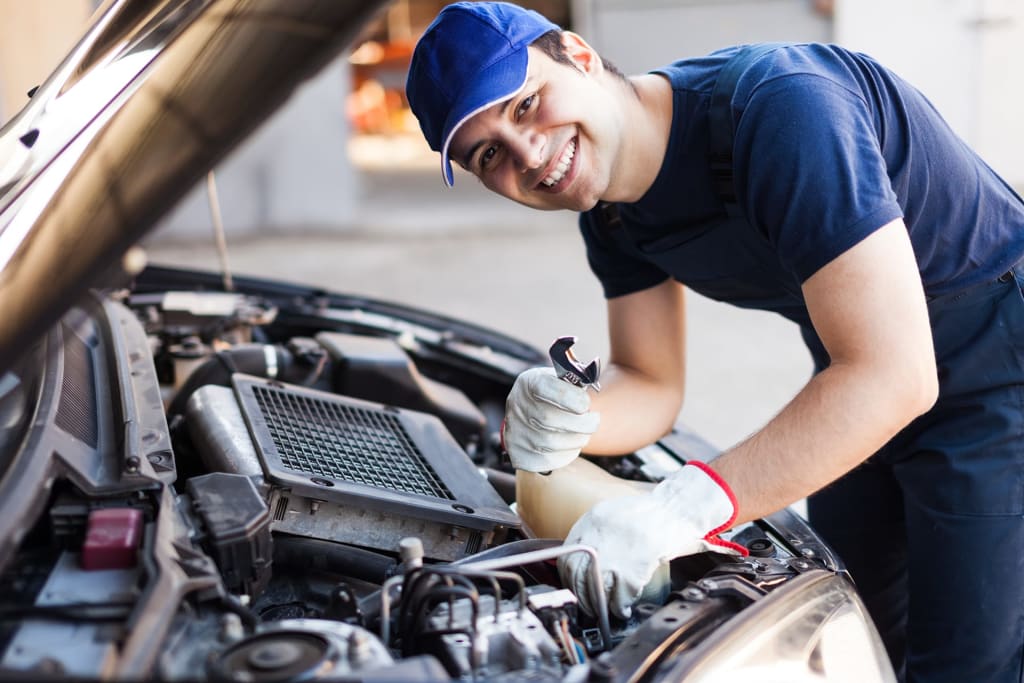
Most car problems don’t come out of nowhere. Gradual wear affects performance long before warning lights appear. A complete inspection at an auto shop helps detect hidden problems early. Catching these signs early means smaller repairs and fewer major failures down the road.
1. Inspections detect early component stress
Vehicle parts don’t usually fail all at once. Heat, vibration, and regular use wear down materials. Auto shop technicians check for physical damage that points to bigger mechanical risks.
- Cracks in vacuum lines lead to stalling or rough idling.
- Loose pulleys or brackets cause vibration that worsens with engine speed.
- Seepage around seals indicates pressure buildup or gasket wear.
2. Engine testing finds hidden faults
Engines run thousands of cycles daily, which hides early-stage problems. Auto shops use tools to monitor performance and identify small issues that affect combustion or air intake.
- Lean air-fuel ratios reduce engine power and fuel economy.
- Slight timing shifts can raise engine temperature and lower performance.
- Dirty throttle bodies restrict airflow and cause stalling.
3. Brake systems show early signs of wear
Brakes experience pressure and heat with every stop. Inspections involve more than checking pads—they include testing pedal response, fluid pressure, and rotor condition.
- Fluid leaks lower braking pressure and reduce stopping power.
- Warped rotors cause shaking when brakes are applied.
- Soft pedals signal air in the lines or master cylinder wear.
4. Fluid checks reveal system health
Fluid analysis goes beyond level checks. Auto shop technicians look at color, texture, and any signs of contamination that indicate internal wear.
- Discolored coolant shows rust inside the radiator or engine block.
- Foamy oil can suggest coolant is leaking into the engine.
- Sticky transmission fluid may point to overheating or internal damage.
5. Suspension damage affects multiple systems
Even minor suspension issues throw off alignment, tire wear, and steering feel. Auto shops review all connection points for looseness, cracking, or fatigue.
- Worn ball joints cause front-end clunking or alignment issues.
- Leaking struts reduce control and increase brake distance.
- Bent tie rods disrupt steering and cause uneven tire wear.
6. Electrical inspections prevent unexpected failure
Electrical issues often start small—flickering lights, slow starts—but can quickly disable a vehicle. Auto shops test voltage, resistance, and current across all key systems.
- Battery voltage under load tells whether it’s holding charge.
- Alternator testing reveals how well the system maintains power.
- High-resistance circuits heat up and may burn fuses or connectors.
7. Cooling system failures start small
Overheating doesn’t begin with steam—it starts with low fluid pressure or restricted flow. Auto shop technicians check for soft spots, cracks, and poor circulation before damage occurs.
- Radiator fans not engaging can lead to heat buildup.
- Air pockets in coolant lines cause temperature spikes.
- Damaged caps release pressure too early, reducing system efficiency.
8. Transmission checks catch shifting problems early
Transmissions often fail gradually. Slight jerks, hesitation, or fluid color changes all signal deeper issues. An auto shop inspection narrows down the cause before repair costs climb.
- Gear hesitation often comes from clogged internal filters.
- Slipping between gears usually signals clutch pack wear.
- Fluid that smells burnt means heat damage or part friction.
9. Tire wear shows deeper alignment issues
Tires reveal more than road contact—they reflect how the car handles stress and motion. Auto shops read these patterns to trace problems back to worn or misaligned parts.
- Inner edge wear often points to camber misalignment.
- Feathered treads suggest worn shocks or struts.
- Low-pressure spots near sidewalls may mean bent wheels.
10. Technicians recognize subtle patterns
Seasoned auto shop professionals combine data with instinct. They notice changes in sound, movement, or vehicle behavior that might not register on a scan.
- Rhythmic tapping could indicate valve lash issues or loose lifters.
- Pulling during acceleration may come from engine mount separation.
- A faint burning smell can point to slipping belts or oil on exhaust components.
Key Takeaways Auto Shop Inspections Save Money
Inspections at a trusted auto shop are one of the most effective ways to prevent major vehicle repairs. Regular checks help find leaks, stress fractures, failing parts, or performance shifts before they affect safety or cost. Trained technicians rely on both data and observation to track subtle signs across your vehicle’s systems.
- Most failures begin as small problems a skilled technician can detect.
- Brake, suspension, and cooling systems benefit most from regular checks.
- Fluid quality reveals much more than system levels.
- Tires and alignment show wear patterns from unseen mechanical issues.
- Vehicle safety and long-term reliability depend on early detection.
Frequently Asked Questions
What’s checked during a standard auto shop inspection?
Technicians inspect brakes, engine systems, tires, fluid condition, suspension, battery output, belts, and hoses. They may also test for diagnostic codes and road test performance.
Can an auto shop predict future breakdowns?
Yes. Worn parts, leaks, and out-of-range test results often point to failure risks before anything breaks.
Is it worth getting an inspection if there’s no warning light?
Definitely. Warning lights don’t cover everything—many issues develop without triggering them.
What if I just had maintenance done—do I still need an inspection?
Yes. Maintenance like oil changes or filter swaps doesn’t always include full-system checks.
How often should I schedule an auto shop inspection?
Every 6 months or during scheduled service intervals is ideal. Vehicles driven in extreme conditions may need more frequent checks.
About the Creator
Keep reading
More stories from Piper Burch and writers in Wheel and other communities.
7 Ways Commercial Laundry Suppliers Enhance Business Operations
Efficiency in commercial laundry operations goes beyond convenience—it plays a crucial role in profitability and service reliability. Whether overseeing linens for a resort, medical institution, or athletic club, maximizing productivity and resource utilization is essential. Partnering with a commercial laundry supplier strengthens efficiency through faster turnaround, superior inventory oversight, and optimized logistics. ITEC Corp, a full-service laundry equipment provider, highlights the importance of modern laundry innovations, stating, "Companies that incorporate advanced laundry technology experience significant cost reductions and increased operational fluidity."
By Piper Burch12 months ago in Wheel
5 Best Food Choices at Auto Shows
Attending an auto show is an exciting experience filled with gleaming vehicles, innovative technology, and hours of walking through massive exhibition halls. With so much to see, you need the right fuel to keep your energy levels high. Here are five of the best food choices to enjoy during your next auto show visit.
By Karter Odin3 days ago in Wheel
Self-Driving Cars
If you watched the 2004 Will Smith film ‘I Robot’, you’ll know that a minor plot point is that cars in this future are, by default, self-driving. They can still be driven manually, but this is considered a risky choice which only Smith’s character chooses to do, due to being a fan of such ‘retro’ choices. When his car is wrecked during an attack late in the film, his boss assumes that he crashed due to driving manually (the one time in the film he actually wasn’t). At the time of the film’s release, self-driving cars must have seemed hugely futuristic to help to sell the future setting.
By Joe Morgan2 days ago in Wheel



Comments
There are no comments for this story
Be the first to respond and start the conversation.