
Why Mauritius is More Than Just Beaches
A Journey into the Cultural Heart

Mauritius is a beautiful country that should be a must-visit for any traveller. But when travellers think of Mauritius, it's often the picture-perfect beaches and crystalline lagoons that spring to mind. But this gorgeous island afloat in the Indian Ocean is so much more than just a tropical paradise. The compelling history, the various cultures and the hospitality of the locals make Mauritius a great place to visit. From its rich traditions and diverse communities to its buzzing local markets and spiritual landmarks, Mauritius promises an interesting experience that extends far beyond the shoreline.
Cultures Unite
Mauritius stands out for its harmonious blend and relationships among the various ethnicities as well as languages and religions. Once a colonial stopover for explorers, traders, and settlers, the island has welcomed influences from many parts of the globe, including Indian, Chinese, African, French and British cultures. Today, this diversity is evident in every aspect of Mauritian life. It is seen in architecture, language festivals, and cuisine. Creole is the lingua franca, but English and French are widely spoken, and you’ll hear Hindi, Bhojpuri, and Mandarin in daily exchanges.
Historic Footprints and Colonial Echoes
A journey through Mauritius is also a journey through time. Sites such as Aapravasi Ghat in Port Louis, a UNESCO World Heritage site, tell the story of Indian labourers who arrived after the abolition of slavery. In Mahebourg, you’ll be able to appreciate the many buildings from the colonial era that are remnants of the colourful French chapter. The presence of well-preserved British military outposts, too, is a testament to the kind of past that Mauritius had before coming to where it is today. These monuments and museums offer a profound insight into how Mauritius evolved into the multicultural haven it is today.
Festivals That Unite
One’s religious beliefs, as well as one's cultural background, play a central role in daily Mauritian life, and this is beautifully reflected in the country's various festivals. From the glowing lights of Diwali to the melodic Eid prayer sessions, every religious celebration is embraced throughout the whole island. Thaipusam, Ganesh Chaturthi, Christmas and Chinese New Year are also celebrated with equal fervour. Visitors during festival times are warmly welcomed to join processions, try festive foods and learn about rituals first-hand; this approach towards religion is a true testament to the spirit of unity on the island.
Culinary Traditions: A Taste of Diversity
Mauritian cuisine is a delicious journey that explores its cultural past. Local dishes are a fusion of tastes from various communities like Creole, Indian, Chinese and European. Each bite you take tells a story about the struggles of migration and integration that people faced before modern-day Mauritius. Street food is a crucial aspect of Mauritian life. Dhal puri, samosas, gateaux piments and rougaille are some of those amazing dishes. Many resorts, including Anantara Iko Mauritius Resort & Villas, offer culinary experiences that allow guests to learn about traditional recipes using local ingredients, bridging hospitality with heritage.
Sacred Spaces and Places of Worship
Mauritius's spiritual diversity is reflected in its beautiful places of worship. The Grand Bassin, also known as the Ganga Talao, is a sacred Hindu lake surrounded by various statues and temples, which are visited by thousands during the Maha Shivaratri pilgrimage. Meanwhile, the Port Louis Jummah Mosque stands as a symbol of the Islamic faith, and the colourful Tamil temples showcase amazing architecture as well. Even the countryside is dotted with churches of various denominations, shrines and Chinese pagodas that showcase the spiritual fabric of the nation.
Local Markets and Craftsmanship
To truly appreciate Mauritius beyond its fancy shops and resorts, you need to step into its local markets. The markets of Port Louis, and Mahebourg are a swirl of colours, smells and sounds that signify the spirit of the people. Here you’ll find everything from local fruits, strong-smelling spices, handwoven textiles and traditional handicrafts. These spaces and markets not only support local economies but also serve to preserve the artisanal traditions passed down through generations. Whether you are buying something, haggling, or even simply browsing, markets are essential to enjoying authentic Mauritius adventures.
About the Creator
Keep reading
More stories from william barry and writers in Wander and other communities.
How to Arrange a Mauritius Week
Mauritius, an island paradise in the Indian Ocean, is a popular travel destination because of its crystal-clear beaches, turquoise lagoons, and verdant surroundings. Mauritius, renowned for its varied ecosystems, rich cultural legacy, and friendly people, has plenty to offer every kind of visitor. Whether you're looking for adventure, leisure, or a mix of the two, this island will surely captivate you.
By william barry12 months ago in Wander
10 Reasons to Choose a Beach Villa with Private Pool
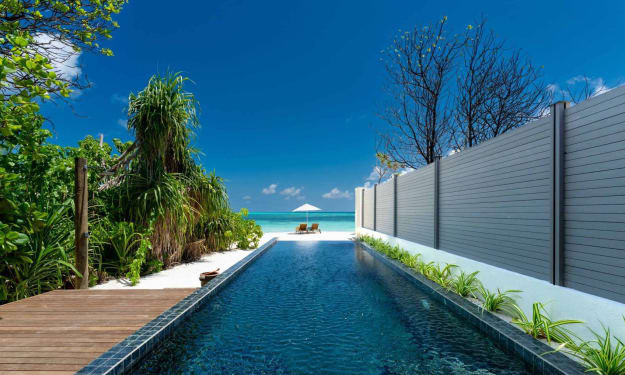
A beach holiday is about more than warm sand and gentle surf. When you choose a beach villa with a private pool, you unlock a level of comfort, privacy, and personalised experience that simply cannot be matched by standard hotel rooms. But what makes a private-pool villa genuinely worth it — beyond the glossy photos?
By Island Life Maldives5 days ago in Wander



Comments
There are no comments for this story
Be the first to respond and start the conversation.