
Why Kurinjal Trek Is One of Kudremukh’s Most Underrated Trails
Kurinjal Trek is the perfect example of why some trails become lifelong favourites—not because they’re famous, but because they feel intimate, peaceful, and beautifully raw.
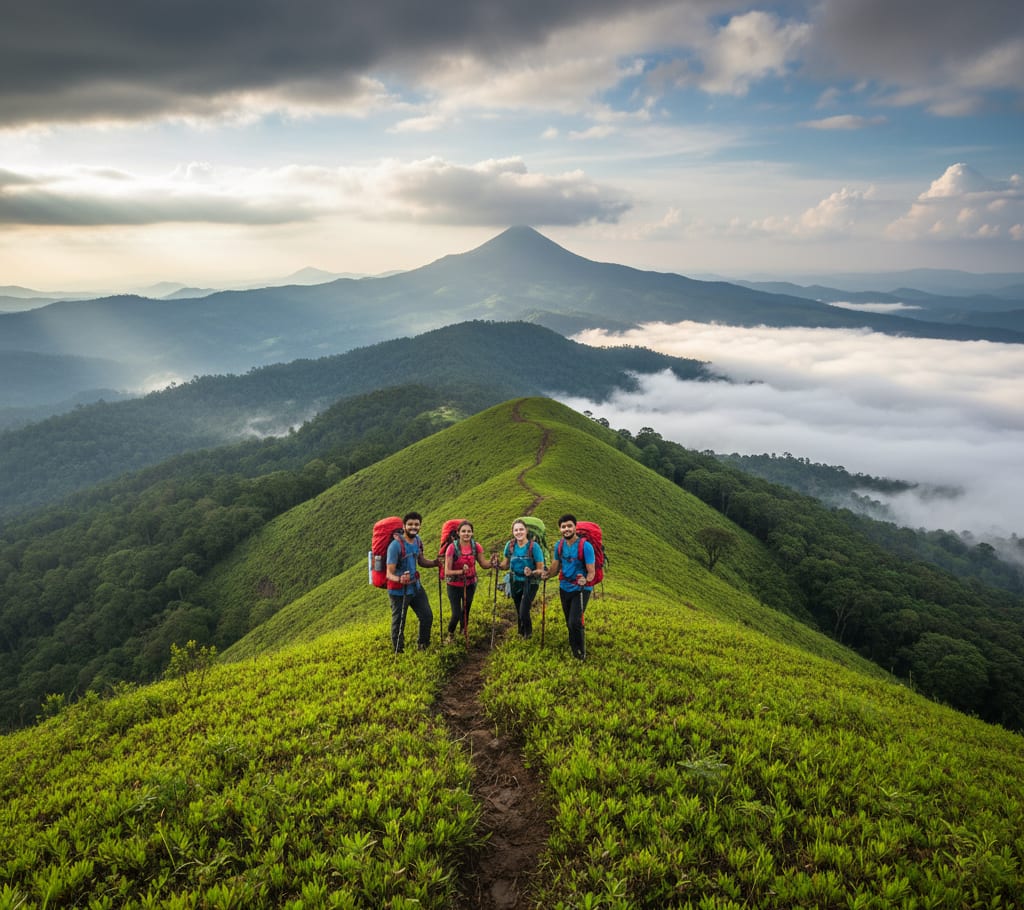
If you love trekking through rolling green hills, misty forests, and quiet landscapes untouched by crowds, then the Kurinjal Trek deserves a top spot on your bucket list. Often overshadowed by its far more popular neighbour—Kudremukh Peak—Kurinjal is one of the most underrated trails in the Western Ghats. But once you walk through its dense shola forests, climb its slanted grasslands, and stand at the summit surrounded by emerald-green views, you’ll wonder why more people don’t talk about it.
This guide covers everything you need to know—from the best time to visit and how to reach Kurinjal, to safety tips, nearby attractions, budgeting, and why this trail offers a refreshing alternative to the tourist-packed peaks of Chikmagalur.
1. What Makes Kurinjal Trek Underrated Yet Special?
The Kurinjal Trek sits inside the Kudremukh National Park region, but unlike the main peak, this trail sees fewer visitors. And that’s exactly what makes the experience so serene.
While Kudremukh Peak is known for its dramatic horse-face ridge, Kurinjal has a different kind of charm—a blend of silent forest stretches, hidden wildlife, continuous greenery, and sweeping views of the Ghats. The climb is moderate, making it ideal for first-time trekkers as well as experienced hikers who want something peaceful.
What makes Kurinjal stand out is its raw, untouched wilderness. There are no long queues at the start point, no overcrowding on the summit, and no rush along the trail. The quietness lets you truly immerse yourself in nature. You’ll hear birds calling, wind brushing through the trees, and the crunch of leaves under your feet—the kind of trekking experience that feels personal and grounding.
And at the peak? Expect panoramic views of layered mountains, cloud play, and massive grasslands stretching into the horizon.
2. Best Time to Visit Kurinjal Trek: Weather & Seasonal Guide
Because the trail lies inside an ecologically sensitive region, the weather plays a major role in the overall experience.
Winter (October to February) – The Best Season
Clear skies, cool winds, and a lush green landscape make winter the best time to visit the Kurinjal Trek. The weather stays between 15–22°C, ideal for long forest walks and summit climbs. You'll also get the most stunning valley views during this season.
Post-Monsoon (September to October) – Greenest Season
If you love fresh greenery and misty forests, post-monsoon Kurinjal is magical. The grasslands are vibrant, and streams sometimes flow through the route. However, the trail may be slippery, so good shoes are essential.
Monsoon (June to August) – Not Allowed
Trekking is restricted due to heavy rain, leeches, and safety concerns. The national park authorities usually halt permits during this time.
Summer (March to May) – Dry but Manageable
The temperatures rise to 30°C and the grasslands turn golden. While it’s still a doable trek, it can be hot and tiring. Start early if trekking in summer.
3. How to Reach Kurinjal Trek Starting Point
Reaching Kurinjal is fairly straightforward, especially if you’re travelling from Bangalore, Mangalore, or Udupi.
From Bangalore (330 km)
Most trekkers take an overnight bus or drive via the Hassan–Belur–Kalasa route. The last stretch toward Kudremukh National Park is scenic, with winding roads cutting through coffee estates.
From Mangalore (110 km)
A short 3–4 hour drive through lush roads makes this a convenient starting point.
Nearest Town: Kalasa
Kalasa is the base town where you can stay, eat, and arrange local transport. From here, Kurinjal base is around 20–25 km.
Permits
Since Kurinjal is inside a protected area, you must get a permit from the Kudremukh Forest Department. Usually, these are arranged through homestays or authorised guides.
4. What to Expect on the Kurinjal Trek Route
The Kurinjal Trek is around 7–10 km (both ways) depending on the starting point. Most trekkers complete it within 4–6 hours, making it ideal for a one-day adventure.
The Forest Section
The initial stretch takes you through dense shola forests filled with tall trees, ferns, and moss-covered trunks. The trail is cool and shaded, making the walk soothing.
Grassland Ascent
After an hour or so, the landscape opens up into rolling meadows. The ascent is moderate but steady, and the wind sweeping over the grasslands keeps you refreshed.
Wildlife
You may spot deer, langurs, Malabar squirrels, and countless birds. The forest guards sometimes report sightings of bison, so staying with your group is essential.
Summit View
The peak offers 360-degree views of the Kudremukh mountain range, Bisle Ghat, and stretches of untouched wilderness. On clear mornings, the sight is nothing short of breathtaking.
5. Where to Stay & Nearby Attractions
Stay Options
Most trekkers stay in:
Kalasa homestays
Kudremukh estate stays
Nature camps around Kerekatte
These stays often provide local meals, jeep transport, and help with permit arrangements.
Nearby Places to Explore
Make the most of your trip by exploring:
Kudremukh Peak (with separate permit)
Hanumana Gundi Waterfalls
Kyathanmakki Hill
Ballarayanadurga Fort
Bhadra Wildlife Sanctuary
These attractions make Kurinjal perfect for a weekend getaway from Bangalore.
6. Tips, Safety Guidelines & Budgeting for Kurinjal Trek
Even though Kurinjal is easier than Kudremukh, good preparation enhances the experience.
Safety Tips
Always trek with authorised guides.
Carry at least 2 litres of water.
Wear trekking shoes with strong grip.
Stay on the marked trail—this is a wildlife zone.
Avoid loud music or littering.
Local Tips
Start early for clearer views at the summit.
Carry a light jacket—weather changes quickly.
Keep cash handy; network is patchy in the region.
Inform your homestay before starting the trek.
Budgeting
A typical Kurinjal trek trip costs:
₹1500–₹2500 for stay + food (1 night)
₹400–₹600 for forest permits
₹800–₹1500 for guide charges (shared among group)
₹1000–₹2000 for transport/jeep depending on distance
Overall, you can comfortably plan a ₹3000–₹5000 budget for the trip.
Final Thoughts: Why Kurinjal Deserves More Attention
The Kurinjal Trek is the perfect example of why some trails become lifelong favourites—not because they’re famous, but because they feel intimate, peaceful, and beautifully raw. If you’re someone who prefers lesser-known routes over crowded trails, Kurinjal will feel like a gift.
You get everything—dense forests, scenic grasslands, refreshing winds, wildlife, and stunning summit views—without the noise of overtourism. And that’s what makes Kurinjal one of Kudremukh’s most underrated but rewarding treks.
If you’ve been planning a quick nature escape or want to experience the Western Ghats at their quietest, Kurinjal is your trail.
About the Creator
Rohit SEN
Hey! Come along with me to explore beautiful places, learn about different cultures, and share my adventures. Let's Explore together! From a travel lover!
Worth the Wait: Puerto Viejo, Costa Rica
Beach bumming in a small Caribbean beach town sounded like a perfect way to end our 6-month trip through Mexico and Central America. Or so we thought. The foul, fishy stench of rotten seaweed hit our nostrils as we stepped from the cramped bus and looked out at a rather depressing, empty, and underwhelming black sand beach. It was pouring with rain, and we had to quickly fish out our ponchos. We thought, this couldn’t be it, could it?
By Sh*t Happens - Lost Girl Travel10 days ago in Wander
Lost in Translation: How Getting It Wrong in Asia Taught Me How to Travel Right
My first morning in Hanoi started with a sensory assault. I was sitting on a tiny blue plastic stool, knees touching my chin, watching a woman whisk an egg yolk into a cup of robusta coffee. The air smelled of charcoal smoke, cilantro, and exhaust fumes. It was chaotic, loud, and utterly mesmerizing.
By Eleni N. Markou7 days ago in Wander



Comments
There are no comments for this story
Be the first to respond and start the conversation.