
Why is Kalutara Bodhiya a Must Visit Place in Kalutara
Must Visit Place in Kalutara
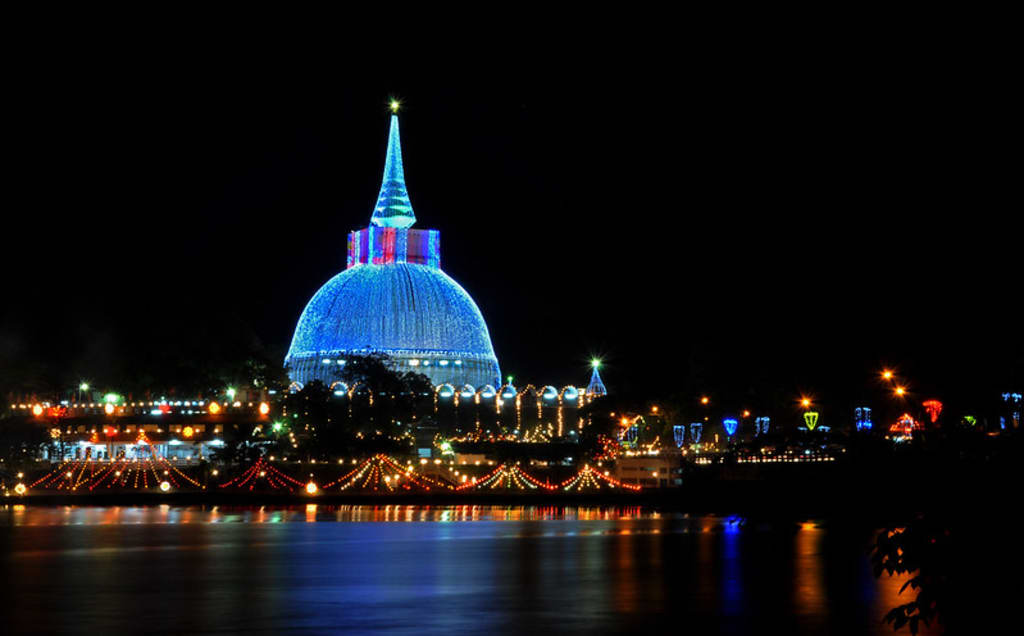
Nestled on the sun-kissed southern coast of Sri Lanka, Kalutara is a major city endowed with its name due to Kalu Ganga (Kalu River) flowing just south of it. The sacred Kalutara Bodhiya, a deeply venerated Bo Tree by the Buddhists is situated by the side of Kalu River. This Bodhiya is synonymous with Kalutara Viharaya (Kalutara Stupa) situated adjacent to it. Discover many historical and religious insights into these sacred places of worship, making them well worth a visit.
Sacred Kalutara Bodhiya
Both Kalutara Bodhiya and Kalutara Viharaya are on the main Colombo-Galle Road in Kalutara thus enabling easy access for devotees and visitors using hotels in Kalutara. The much-revered Kalutara Bodhiya is one among 32 saplings of Jaya Sri Maha Bodhi in the first kingdom of Sri Lanka, Anuradhapura. This was during the reign of King Devanampiyatissa in the 2nd century BC and was the period that Buddhism was embraced across the island with the arrival of Arahant Mahinda Thero from India.
According to the ancient Sinhala Bo Tree chronicle, Bodhi Vamsa, Jaya Sri Maha Bodhi in Anuradhapura is a sapling from the legendary Bo Tree, Jaya Sri Maha Bo Tree in India (also known as the great Resplendent Fig Tree that symbolizes Victory). It is beneath the canopy of this tree that Prince Siddhartha attained enlightenment thus becoming Lord Buddha.
Location Kalutara
This special sapling was brought to Sri Lanka by Bhikkuni Sangamitta, daughter of the reigning king in India, King Asoka and the twin sister of Arahant Mahinda Thero. It was planted in Mahamevuna Park, Anuradhapura and is venerated by Buddhists even today.
Kalutara was chosen by Arahant Mahinda Thero under whose guidance the King had the bo-saplings planted in different parts of the island. These significant factors make the Kalutara Bodhiya a second-generation sapling of the original Jaya Sri Maha Bo Tree in India and are held in high veneration by the Buddhists not only from Sri Lanka but globally.
Visitors to this religious site will feel the aura of serenity and deep veneration as scores of locals from all over Sri Lanka visit it regularly aside from visitors.
Periods of colonization
During different periods of colonization under the Portuguese, the Dutch and the British Kalutara Bodhiya remained a sacred place of worship for the Buddhists on the island. However, it became a part of the Portuguese Fort in the 16th century, but devotees could worship it.
The Dutch and the British too used the same area for their administrative and military purposes. However, the Buddhists were still able to worship the bodhiya. In the 19th century, under the British, when the colonials started making the railway system a decision was made to remove the tree as it was an obstruction to building the railway bridge. With the extreme opposition by the locals, mostly Buddhists, they decided to go ahead with the bridge without harming the Kalutara Bodhiya.
In the early 20th century, the Kalutara Bodhiya Trust was formed to develop the sacred Kalutara Bodhiya as a religious place with required modernization.
Kalutara Viharaya (Kalutara Stupa)
This sacred Viharaya is an awe-inspiring sight, especially at dawn or dusk, looming in its pristine white splendour even from afar. During the day it offers a serene and picturesque experience being close to the Indian Ocean and the Kalu River offering good views of both.
With the foundation laid in 1964, the modern Katutara Viharaya was completed in 1980. Considered one of the largest hollow stupas in the world, and among the few hollow Buddhist Stupas in the world, visiting this first hollow stupa on the island must not be missed. For visitors using properties like Turyaa Kalutara, it is a short ride of 10 minutes to this site.
Four small stupas are located within the hollow stupa while a stunning collection of murals that depict the life of Lord Buddha and Jathaka Katha depicting his previous lives provide an insightful walk around the hallowed interior of the main stupa.
About the Creator
Merzouga, Morocco Golden Dunes by Morocco Family Vacation
Standing at the edge of the Sahara in Merzouga, watching golden dunes stretch endlessly into the horizon, I realized this was one of those rare travel moments that stays with you forever especially when you experience it with your children.
By Ariel Cohena day ago in Wander



Comments
There are no comments for this story
Be the first to respond and start the conversation.