
What to Know Before Tackling the Everest High Pass Trek
Risk Navigation

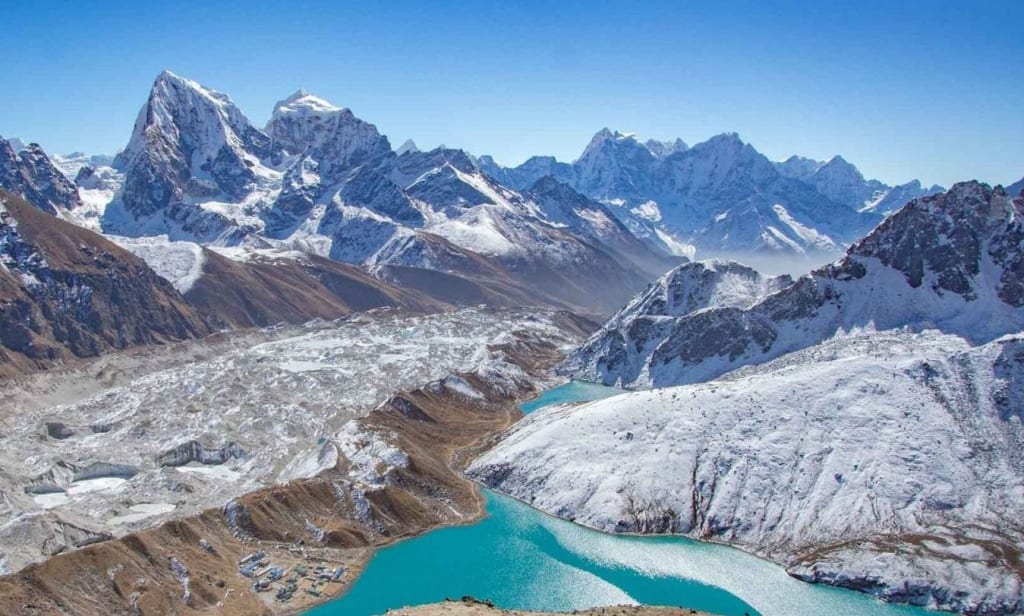
The Everest High Pass Trek is one of the most fascinating and hard activities you can take. It’s no surprise that many people dream of walking these pathways, given the breathtaking mountain views, secluded landscapes, and sense of accomplishment that comes with them. However, before you embark on this journey, you should be aware that it carries both physical and mental risks. Preparing for the reality of this journey will help you not only survive, but thrive along the way.
Physical Challenges: More Than Just a Walk in the Mountains
I remember the first time I signed up for a high-altitude trek. I thought I was ready because I had hiked before. But trekking at high altitudes is a completely different ball game. Your body reacts differently when you’re that high up. The air is thinner, which makes every step feel heavier. Walking for hours in such conditions drains your energy faster than you’d expect.
Altitude sickness is one of the biggest risks. It can hit anyone, even the fittest person in the group. Headaches, dizziness, and nausea are common symptoms. For some, it becomes so serious that they have to turn back, which can be emotionally crushing. The Everest High Pass Trek takes you through three major passes, all of which are above 5,000 meters. At those heights, the risk of altitude sickness increases significantly. You have to listen to your body and not push yourself beyond your limits. It’s not easy, but your health should always come first.
Mental Toughness: More Than Just a Physical Test
It’s not just your body that gets tested. Your mind will also go through its own set of challenges. Imagine waking up in the middle of the night in a tiny, cold room, feeling exhausted from the previous day’s hike, knowing you have to do it all over again the next day. It can be overwhelming.
I’ve had days when I questioned whether I made the right choice in taking on such a demanding trek. The loneliness, isolation, and the physical pain can make you second-guess your decision. But here’s the thing — you have to push through. The mental strength you gain by persevering through these hard moments is life-changing.
Before you set out, mentally prepare yourself for these moments. Know that it’s okay to feel down and that it’s part of the experience. Having a positive mindset and a good support system, whether it’s friends or guides, can make all the difference.
Unpredictable Weather: The Mountains Are in Charge
The weather on the Everest High Pass Trek can be unpredictable. One minute, it’s sunny and clear, and the next, you’re caught in a snowstorm or freezing winds. I once had to stop for hours because a thick fog made it impossible to see the trail. Even though I was frustrated, there was nothing I could do except wait it out.
You’ll need to prepare for every possible weather condition. Layering your clothes and packing the right gear is essential. Make sure you have a good waterproof jacket, insulated boots, and warm gloves. Being unprepared can turn a challenging trek into a dangerous one very quickly.
The Risk of Injury: Accidents Happen
No matter how cautious you are, the risk of injury is always there. Slippery paths, loose rocks, and uneven terrain can make you lose your footing. I twisted my ankle on one of my treks, and while it wasn’t serious, it slowed me down significantly. That experience made me realize just how easy it is for things to go wrong.
Make sure to walk slowly and carefully, especially on descents where it’s easy to misstep. Carry a basic first-aid kit and know how to treat minor injuries like blisters or sprains. Having good trekking poles can also help with balance and reduce strain on your knees and joints.
Why It’s All Worth It
Despite all the risks, there’s a reason so many people dream of trekking in the Everest region. There’s something about standing at the top of a high pass, surrounded by snow-covered peaks, that makes all the hard work feel worth it. The sense of accomplishment you’ll feel is unmatched. You’ll come back not just with memories of beautiful landscapes but also with a deeper understanding of your own strength.
If you’re thinking about taking on this challenge, just make sure you know what you’re getting into. Prepare for the risks, both physical and mental, and be ready to face them. It won’t be easy, but in the end, it will be one of the most rewarding experiences of your life.
About the Creator
TravelTranquility Nepal
Hello. I'm an adventurer exploring the world and sharing my travel stories and tips. My goal is to inspire and help fellow travelers.
Keep reading
More stories from TravelTranquility Nepal and writers in Wander and other communities.
What is the Success Rate of Yala Peak Climbing?
Yala Peak, a popular trekking peak in Nepal, is a dream destination for many adventure seekers. Standing tall at 5,732 meters in the Langtang region, it offers breathtaking views and a sense of accomplishment for those who reach the summit. But before you pack your bags and set off on this journey, it’s important to know what your chances of success are. How likely is it that you’ll make it to the top?
By TravelTranquility Nepalabout a year ago in Wander
Moonlight and Marble: My Unforgettable Journey to the Taj Mahal
How Visiting the Taj Mahal Turned My Trip Into a Romantic Adventure Through India’s Most Iconic Monument --- There are places in the world that don’t just look beautiful—they feel like a dream. The Taj Mahal is one of those places.
By Ahmed aldeabellaa day ago in Wander


Comments
There are no comments for this story
Be the first to respond and start the conversation.