
What are the most iconic landmarks to see in Tokyo?
Must-see attractions Tokyo
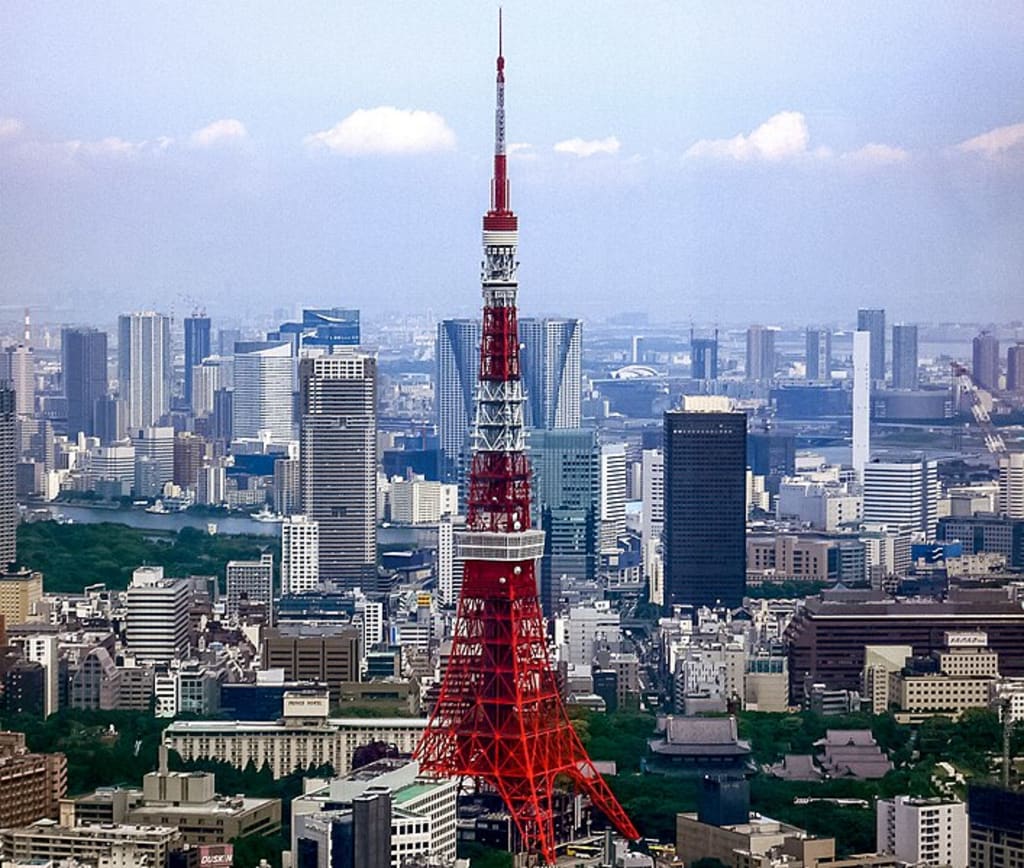
Tokyo is Japan’s bustling capital, it is a city that seamlessly blends traditional heritage with cutting-edge modernity. From ancient temples to towering skyscrapers, Tokyo offers a diverse array of iconic landmarks that reflect its rich cultural history and forward-thinking innovations. Visitors are drawn to Tokyo not only for its striking architecture but also for its vibrant neighbourhoods, such as Shibuya with its world-famous crossing, and Akihabara, the epicentre of the anime culture.
1. Tokyo Tower
One of the most recognizable landmarks in Tokyo, the Tokyo Tower is often compared to the Eiffel Tower due to its design. Standing at 333 meters, it was once the tallest structure in Japan and remains a symbol of Tokyo’s post-war rebirth. Its vibrant orange and white colours stand out against the skyline, and visitors can take in panoramic views of the city from observation decks at 150 meters and 250 meters. It is less than twenty minutes away from most residential apartment complexes such as the Oakwood Premier Tokyo Midtown making it very easy for the inhabitants to visit the Tokyo Tower. At night, the tower is illuminated, creating a striking visual spectacle. The Tokyo Tower is not only a great spot for photography but also houses an aquarium, souvenir shops, and cafes, making it a full-fledged tourist destination.
2. Meiji Shrine
Nestled in a peaceful forest near Harajuku, the Meiji Shrine is a serene retreat from the hustle and bustle of Tokyo. Dedicated to Emperor Meiji and Empress Shoken, this Shinto shrine is one of the most significant spiritual spots in Japan. Visitors walk through a large torii gate before entering the shrine grounds, which are surrounded by over 100,000 trees. The shrine is a popular site for traditional Japanese weddings and other cultural ceremonies, adding to its spiritual atmosphere. During New Year, millions of people visit the Meiji Shrine for hatsumode (the first shrine visit of the year), making it one of Tokyo’s most visited landmarks.
3. Shibuya Crossing
Shibuya Crossing is possibly the busiest pedestrian intersection in the world and an iconic symbol of Tokyo’s fast-paced energy. This scramble crossing sees hundreds, if not thousands, of people crossing at any given moment when the traffic lights turn red. The surrounding area is a lively district full of neon lights, giant screens, shopping, and dining spots. Shibuya Crossing is often featured in movies and is a favourite spot for tourists wanting to experience the chaotic yet organized flow of Tokyo’s urban life. A great way to observe the action is from the second-floor windows of the nearby Starbucks or one of the Tokyo furnished apartments offering long term, or short term stays.
4. The Imperial Palace
The Imperial Palace, home to Japan’s Emperor, is a stunning landmark surrounded by lush gardens, moats, and ancient stone walls. Located in the heart of Tokyo, it is steeped in history and stands on the site of the former Edo Castle. While the inner grounds of the palace are generally off-limits to the public, visitors can explore the picturesque East Gardens, which are open year-round. These gardens are an oasis in the city, with beautifully landscaped grounds, ponds, and cherry blossom trees that bloom spectacularly in the spring. Twice a year, on New Year's Day and the Emperor's birthday, the inner grounds are opened to the public, allowing visitors a rare glimpse of the palace’s interior.
5. Tokyo Skytree
At 634 meters tall, Tokyo Skytree is the tallest structure in Japan and the second tallest in the world. Opened in 2012, it serves as a television broadcasting tower and a popular tourist attraction. The Skytree boasts two observation decks at 350 meters and 450 meters, offering breathtaking 360-degree views of Tokyo and beyond. On clear days, visitors can even catch a glimpse of Mount Fuji in the distance. The tower is located in the Sumida Ward, near the historic Asakusa district, and is part of a large commercial complex that includes shopping, dining, and an aquarium. The tower’s futuristic design and impressive height make it a symbol of modern Tokyo.
6. Akihabara
Akihabara, also known as "Electric Town," is Tokyo’s hub for electronics, anime, and manga culture. Akihabara is synonymous with Japan’s vibrant pop culture scene. Originally an electronics shopping hub after World War II, it has since evolved into a hotspot for anime, manga, and gaming fans. Whether you're a tech enthusiast, an otaku, or simply a curious traveller, Akihabara offers a unique glimpse into modern Japanese subcultures. Beyond shopping, Akihabara is famous for its themed cafes, including the popular maid cafes, where waitresses dressed in maid outfits serve customers in a quirky, entertaining environment. The district is home to multi-storey arcades like Sega and Taito Station, offering a wide variety of games, from classic arcade machines to modern VR experiences. It’s a colourful, energetic part of Tokyo that showcases the city’s love for technology and pop culture.
About the Creator
Keep reading
More stories from william barry and writers in Wander and other communities.
How to stay safe and healthy while travelling in Singapore?
Singapore is a very prominent leader in the business industry, boasting a healthy economy, and serving as a prominent figure for tourism as well. Although Singapore is a small country, the level of discipline and very low crime rate, serve as indicators of how well this country functions.
By william barryabout a year ago in Wander
Worth the Wait: Puerto Viejo, Costa Rica
Beach bumming in a small Caribbean beach town sounded like a perfect way to end our 6-month trip through Mexico and Central America. Or so we thought. The foul, fishy stench of rotten seaweed hit our nostrils as we stepped from the cramped bus and looked out at a rather depressing, empty, and underwhelming black sand beach. It was pouring with rain, and we had to quickly fish out our ponchos. We thought, this couldn’t be it, could it?
By Sh*t Happens - Lost Girl Travel10 days ago in Wander
Moscow at Midnight: Stories Hidden in Russia’s Quiet Streets
Cities often reveal their true character after sunset. The noise softens, crowds fade, and ordinary streets begin to feel different. Moscow is one of those cities that changes completely when night arrives. During the day, it moves with purpose. Cars rush through wide roads, people hurry between offices, and tourists fill historic squares. But late at night, the atmosphere becomes slower and more reflective. Streetlights glow over old buildings, quiet parks hold memories of past centuries, and the city feels both peaceful and mysterious. Many people imagine Moscow as powerful and serious, yet it also holds moments of silence, beauty, and personal stories. To understand Moscow fully, one must look beyond headlines and explore the emotions hidden within its streets.
By Muqadas khan2 days ago in Wander


Comments
There are no comments for this story
Be the first to respond and start the conversation.