
Unraveling Kamakhya Temple History: Myths, Legends and the Sacred Journey of the Goddess
Unveiling the Mystique of Kamakhya Temple: A Journey Through History, Myth and Spirituality
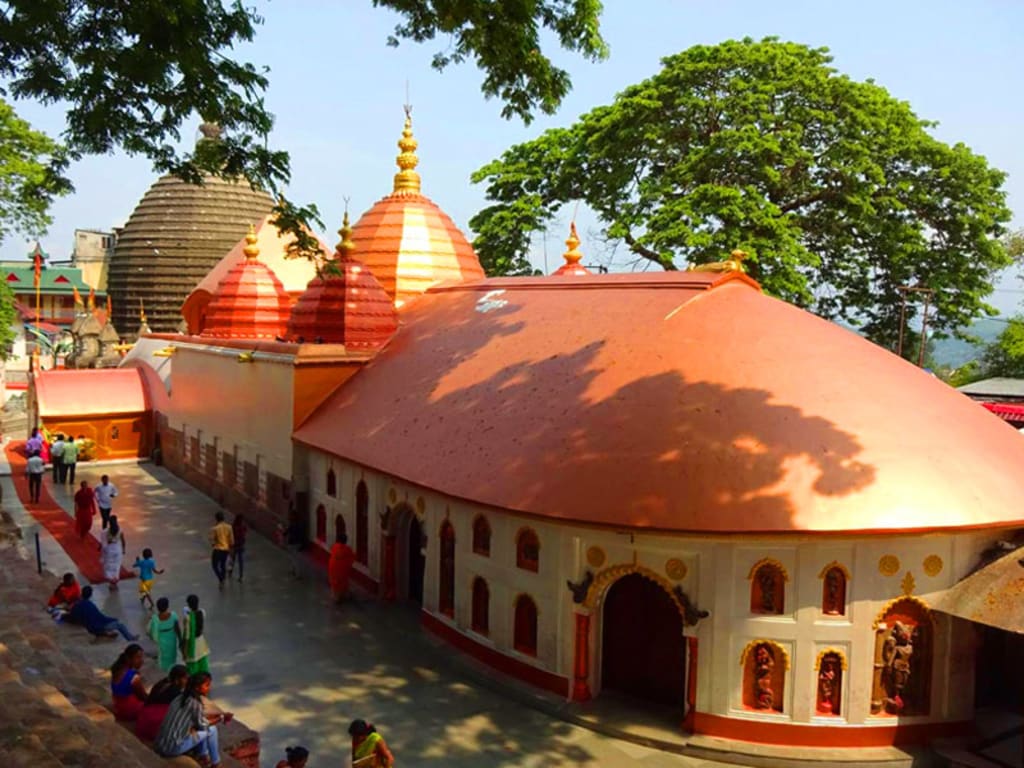
The Kamakhya Temple, one of the most revered pilgrimage sites in India, is steeped in rich history and mystical legends. Located in the lush hills of Assam, this ancient temple is dedicated to the goddess Kamakhya, a form of Shakti, symbolizing fertility and motherhood. The temple not only serves as a religious center but also embodies a unique blend of history, mythology, and cultural significance. In this article, we will explore the Kamakhya temple history, the Kamakhya temple story, its architectural marvels, and its importance in Hindu culture.
Where is Kamakhya Temple?
The Kamakhya Temple is situated on Nilachal Hill in Guwahati, Assam, overlooking the Brahmaputra River. This prime location adds to the temple's allure, providing a serene environment that complements its spiritual significance. The temple is part of the greater Shakti Peetha pilgrimage circuit in India, attracting devotees from across the country and beyond.
Who Built Kamakhya Temple?
The origins of the Kamakhya Temple are often shrouded in mystery, with various theories about its construction. It is believed that the temple was built by the Mlechchha King of the Kamarupa Kingdom in the 8th century CE. Some historians attribute its establishment to King Surya Sen, while others suggest that it was originally built by Maharaja Dharmapala. The temple has undergone numerous renovations and expansions over the centuries, reflecting different architectural styles, primarily that of the Naga and Ahom dynasties.
The Kamakhya Temple Story
The legend surrounding the Kamakhya Temple is rich and deeply rooted in Hindu mythology. One of the most popular tales involves the goddess Sati, the wife of Lord Shiva. According to the legend, Sati's father, Daksha, organized a grand yagna (sacrificial ritual) but did not invite Shiva. Hurt by this slight, Sati attended the yagna, where she faced humiliation. In response, Sati sacrificed her life by self-immolation.
Devastated by the loss, Shiva carried Sati's body in grief, leading to a cosmic turmoil. In order to bring peace, the gods intervened, and Sati's body was cut into fifty-one pieces by Lord Vishnu, each falling in different parts of India. These locations are now revered as Shakti Peethas. It is believed that Sati's yoni (female reproductive organ) fell at the site where the Kamakhya Temple stands today, making it one of the most sacred sites for devotees of Shakti.
Kamakhya Mandir History
The Kamakhya Mandir has a long and storied history that reflects the evolution of religious practices and architectural styles in Assam. Initially, the temple was a simple shrine dedicated to the goddess, but it gradually transformed into a more elaborate structure over the centuries. The temple's architecture is an excellent example of Kamarupa style, characterized by its dome-shaped roof and intricate carvings.
The temple was a significant center of Tantrism and was frequented by practitioners of this esoteric tradition. During the reign of the Ahom dynasty in the 13th century, the temple gained immense popularity, becoming a vital pilgrimage site. The Ahom kings were known for their patronage of the temple, further enhancing its importance and ensuring its preservation.
The Temple's Architecture
The Kamakhya Temple is an architectural marvel that showcases the craftsmanship of ancient builders. The temple is unique because it lacks an idol of the goddess; instead, it houses a sacred stone representing the goddess’s yoni, covered with a red cloth. This symbolic representation emphasizes the temple’s connection to fertility and femininity.
The temple complex consists of several smaller shrines dedicated to various deities, each adorned with intricate carvings and sculptures. The main shrine, known as the Garbha Griha, features a shakti peetha, where devotees perform rituals and offer prayers. The temple’s architectural design, with its distinctive beehive-shaped structure and colorful murals, attracts art lovers and historians alike.
The Annual Ambubachi Mela
One of the most significant events at the Kamakhya Temple is the Ambubachi Mela, celebrated annually in June. This festival marks the annual menstruation period of the goddess, symbolizing fertility and the cyclic nature of life. During this time, the temple remains closed for three days, and on the fourth day, it is reopened with much fanfare.
Devotees from all over India flock to the temple during this period to seek blessings from the goddess. The festival includes various cultural performances, rituals, and spiritual gatherings, creating a vibrant atmosphere of devotion and celebration. The Ambubachi Mela not only honors the goddess but also highlights the cultural diversity and rich traditions of Assam.
Cultural Significance
The Kamakhya Temple holds immense cultural significance beyond its religious importance. It serves as a meeting point for different cultures and traditions, attracting a diverse range of pilgrims, scholars, and tourists. The temple’s connection to Tantric practices has also drawn interest from spiritual seekers and researchers, further enhancing its reputation as a center of mystical knowledge.
Moreover, the temple is a symbol of feminine power and empowerment, inspiring countless women in their spiritual journeys. The worship of Kamakhya as a mother figure resonates deeply with devotees, emphasizing themes of fertility, motherhood, and nurturing.
Preservation and Modern Challenges
Despite its historical and spiritual significance, the Kamakhya Temple faces several modern challenges. Environmental degradation, urbanization, and increasing tourist influx have put pressure on the temple and its surroundings. Efforts to preserve the temple’s sanctity and protect its environment are ongoing, with both government and local organizations working together.
In recent years, the temple management has implemented measures to enhance the experience of visitors while maintaining the sanctity of the site. Improved infrastructure, better access to facilities and awareness campaigns are some of the initiatives taken to address these challenges.
Conclusion
The history of Kamakhya temple is a captivating narrative that intertwines mythology, culture, and spirituality. As a sacred site, it stands as a powerful reminder of the divine feminine and the cultural richness of India. The Kamakhya temple story is not just about a place of worship; it is about the lives it touches, the faith it inspires and the timeless traditions it upholds.
Whether you are a devout pilgrim seeking blessings, a curious traveler exploring the history of the region, or someone interested in the spiritual practices of Hinduism, the Kamakhya Temple offers a profound experience. Its captivating history, remarkable architecture, and cultural significance make it a must-visit destination in India, inviting all to explore the depths of devotion and the beauty of belief.
About the Creator
Keep reading
More stories from Kajal Singh and writers in Wander and other communities.
Nathula Pass: A Gateway to the Enchanting Himalayas
Nathula Pass is a vital link between India and Tibet, celebrated for its breathtaking vistas and rich cultural heritage. Located in the state of Sikkim, this high-altitude mountain pass is not just a marvel of nature but also a site of historical significance, making it a must-visit destination for travelers seeking adventure and spirituality.
By Kajal Singhabout a year ago in Wander
Merzouga, Morocco Golden Dunes by Morocco Family Vacation
Standing at the edge of the Sahara in Merzouga, watching golden dunes stretch endlessly into the horizon, I realized this was one of those rare travel moments that stays with you forever especially when you experience it with your children.
By Ariel Cohen7 days ago in Wander
Iceland’s Quiet Revolution: How a Small Nation Became a Climate Innovation Power
I began noticing Iceland appear in conversations that had nothing to do with travel. It was showing up in technology press releases, data center case studies, and even discussions about carbon-negative business strategies. The shift signaled something deeper than branding; Iceland was becoming a prototype for how geography, policy, and technology can merge into a self-sustaining national ecosystem.
By Trend Vantage3 days ago in Wander




Comments
There are no comments for this story
Be the first to respond and start the conversation.