
Trekking the Nar Phu: Exploring Nepal's Secret Valleys
Narphu Trekking

The Nar Phu Trek provides the ideal fusion of isolation, culture, and breathtaking natural beauty for hikers looking for an unadulterated, unspoiled Himalayan experience. The Nar Phu Valley Trek, which is tucked away in the northern Annapurna region, takes hikers through the historic, remote towns of Nar and Phu. They traverse high mountain passes, travel through breathtaking scenery, and encounter people whose way of life hasn't changed much over the years.
The Nar Phu Valley is a hidden gem that provides a window into a more traditional and older aspect of Nepal, even if the Annapurna Circuit is still one of the country's most well-liked trekking routes. If you want to see a region of the Himalayas that few people get to visit, this off-the-beaten-path journey is perfect for you.
Overview of the Trek
Trekkers begin the Nar Phu trek from the busy town of Besisahar, following a well-known route along the Annapurna Circuit. The trail leads trekkers into the isolated Nar and Phu valleys after splitting off at Koto after traversing the lower portions of the Annapurna Conservation Area.
The old Tibetan-influenced settlements of Nar and Phu are characterized by their stone homes, winding lanes, and Buddhist monasteries situated on cliffs. Because the residents of these villages have maintained their traditional ways of life, including their language, attire, and rituals, they provide a singular cultural experience. You can engage with the people and see their strong ties to Tibetan Buddhism on the hike.
Depending on the speed and extra days needed for acclimation, the trek might take anywhere from nine to twelve days. Terraced farms, steep gorges, and high-altitude passes, such as the Kang La Pass (5,320 meters), which links Nar with the other parts of the Annapurna Circuit, are also part of the route. Trekkers are rewarded with breathtaking views of the Annapurna Massif, which includes peaks like Tilicho Peak, Gangapurna, and Annapurna II, from the pass.
The Nar Phu Trek: Why Choose It?
- Adventure Off the Beaten Path: The remoteness of the Nar Phu trek is one of its primary attractions. Nar Phu is still mostly untouched by mass tourist, in contrast to other well-known hikes in the Annapurna region. You may travel through beautiful terrain with very few other trekkers because the villages of Nar and Phu are seldom visited.
- Cultural Immersion: The walk provides an extensive cultural experience in Nar and Phu, which are home to people of Tibetan descent. The area's spiritual and cultural legacy is reflected in the Buddhist temples, mani walls, and chortens that are situated along the route. With the ancient rituals and practices still being practiced in daily life, trekking through these villages is like traveling back in time.
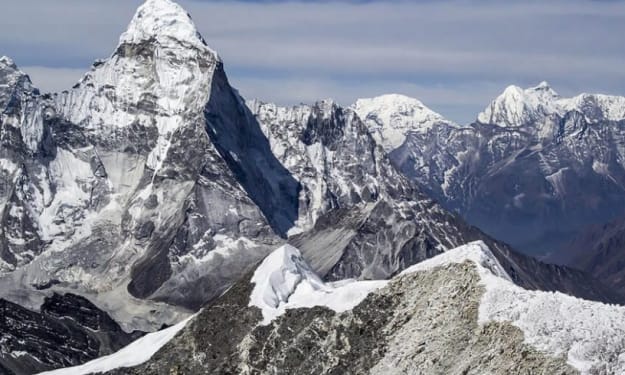
- Amazing Sceneries: The hike passes through a variety of environments, including the dry, high-altitude plateaus of Nar and Phu as well as the verdant forests of the lower Annapurna region. Views of snow-capped peaks, towering rock formations, and deep valleys are all part of the adventure. One of the highlights is crossing Kang La Pass, which offers an unmatched view of the surrounding mountains.
- Nature and species: The Annapurna Conservation Area, which includes the Nar Phu Valley, is home to a range of species, such as Himalayan griffon vultures, blue sheep, and snow leopards. Particularly in the more isolated regions close to Phu village, the journey offers chances to see this animals in its native habitat.
The Ideal Time to Go Trekking
The spring (March to May) and fall (September to November) seasons are the ideal times to start the Nar Phu trek. Trekking conditions are perfect throughout these months because of the steady weather, clear skies, and generally temperate temperatures. Additionally, rhododendrons bloom in the spring, bringing vivid hues to the trail's lower sections.
Getting Ready and Getting Permits
Given that it involves high-altitude crossings, the Nar Phu trek necessitates a moderate level of fitness and prior trekking expertise. Since the trek rises beyond 5,000 meters at Kang La Pass, acclimatization is essential to avoiding altitude sickness.
In addition to the ordinary Annapurna Conservation Area Permit (ACAP) and a TIMS (Trekkers’ Information Management System) card, trekkers now require a special Nar Phu Restricted Area Permit. Because of the valley's delicate location close to the Tibetan border, a restricted area permit is necessary to ensure the environment is safeguarded.
In conclusion
A rare chance to discover a little-known region of the Himalayas where adventure, culture, and nature all come together to create a singular trekking experience is provided by the Nar Phu trip. The Nar Phu Valley offers travelers who are prepared to deviate from the usual paths an amazing experience through some of Nepal's most breathtaking and remote scenery. This walk has everything, whether you're looking for high mountain passes or traditional Tibetan culture.
About the Creator
Keep reading
More stories from bright vibes and writers in Wander and other communities.
Trekking the Everest High Pass: An Exciting Himalayan Adventure
An incredible adventure across some of the Himalayas' most isolated and stunning scenery is the Everest High Pass Trek. This strenuous hike crosses three high-altitude passes: Kongma La (5,535m), Cho La (5,420m), and Renjo La (5,360m), taking you beyond the popular Everest Base Camp route. For experienced hikers looking for something more daring and fulfilling, the Everest High Pass Trek delivers an unmatched experience by fusing the excitement of high-altitude hiking with expansive views of Everest and other majestic peaks.
By bright vibesabout a year ago in Wander
Eating in Morocco With Food Allergies by Morocco Family Vacation
Traveling with food allergies is stressful no matter where you go. Traveling with kids who have food allergies can feel overwhelming. When we planned our family trip to Morocco, this was the part that worried me the most. I kept asking myself the same questions: Would people understand allergies? Would language be a barrier? Would I be constantly on edge at every meal?
By Ariel Cohen3 days ago in Wander


Comments
There are no comments for this story
Be the first to respond and start the conversation.