
Top cultural highlights of the Manaslu Trek
Cultural Highlights of the Manaslu Trek

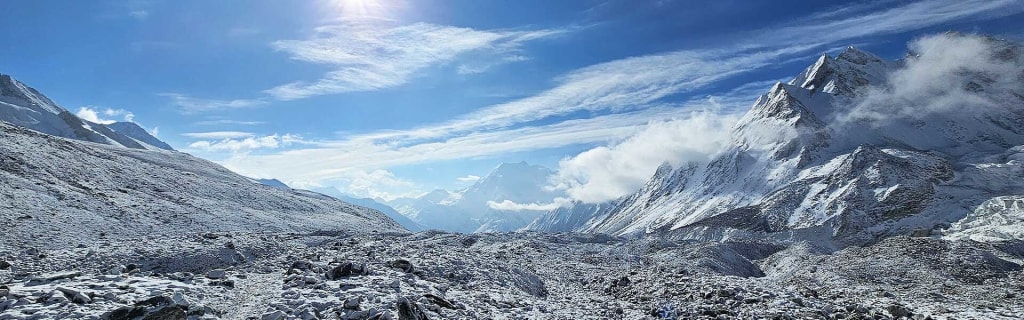
Most people, when thinking about the Manaslu trek, would possibly visualize the amazing mountain landscape and the snow-capped peaks. It is indeed true that one cannot ignore the wonders of nature that this locality offers; additionally, the intact and rich culture enhances the journey, making it truly unforgettable. The Manaslu area is a blend of traditions, spirituality, and daily life that has been shaped over ages by Tibetan culture, Himalayan ways of life, and the resilience of its people.
Manaslu trekking involves moving through beautiful natural scenes and entering cultural life. With ancient monasteries situated on hillsides and warm villages where people have been farming and keeping livestock for generations, every point on the trail would provide an opportunity to relate to the unique culture and traditions. To most trekkers, the most treasured experiences are those that occur when they eat with a local family, observe a colorful festival, or learn about Buddhist rituals. Being familiar with these cultural highlights is crucial, as they add value to your trek and transform it into an experience of connection and exploration instead of just an ordinary hike.
In this blog, we have listed the best cultural attractions of the Manaslu trek, including spiritual monuments, traditional places, festivals, art, and food. Whether you are a beginner or an experienced trekker, your cultural experience with Manaslu will enhance your understanding of the incredible Himalayas and create lasting memories that you will share throughout your life.
Cultural Highlights of the Manaslu Trek
Tibetan Buddhist Monasteries (Gompas)
The land of Manaslu is spiritually linked to the ancient Tibetan Buddhist monasteries that are both a spiritual destination and a culture hub of the local people. Monasteries such as the Samagaon Gompa, the Pung Gyen Gompa, and the Monastery of Dudjom Rinpoche are among the numerous monasteries that are silent witnesses to a long history of Buddhism and Buddhist piety.
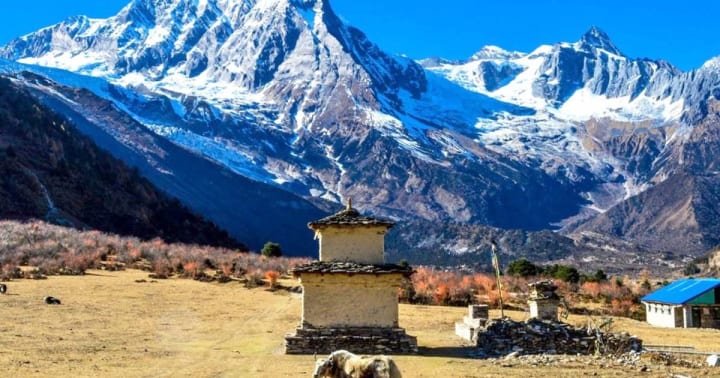
They are gompas with beautiful decorations of murals, statues, and prayer halls where every day the monks engage in their rituals and meditations. To trekkers, the monasteries become an exclusive insight into spiritual life that is absolutely common to many among the Manaslu people. The atmosphere of peace and reverence is being created by the spinning of the prayer wheels, the reciting of the chants, and the burning of the butter lamps, making these stops more than just sightseeing but an insight, as a visit becomes a moment of reflection and communication with Himalayan Buddhist culture.
Traditional Tibetan-Style Villages
On the Manaslu trek, one can observe the villages of Sama, Samagaon, and Deng that are not only architecturally and culturally representative of the Tibetan lifestyle but are also the living museums of the Himalayan culture. This can be seen in the stone houses with flat roofs, the brightly painted wooden window frames, and the walls decorated with the prayer flags that are giving an indication of the culture and also the religion. Locals in the area follow subsistence agriculture, yak rearing, and small trading, which are the practices they have been doing for many generations.
We trekkers, who were fortunate to be in these villages, can attest that the locals warmly welcome us and share their culture and experiences. Whether one decides to stay in a homestay or go to teahouses, first, he or she will be provided with the genuine cultural experience of living side by side with the locals and learning about their traditional lifestyle, crafts, and festivals. The country, in fact, serves as the living link between the old and new worlds of the Tibetans and their trekking culture.
Prayer Flags and Mani Walls
Colorful prayer flags and mani walls are among the features that characterize the Manaslu trekking landscape as symbolic manifestations of Tibetan Buddhism. Prayer flags are hung along rivers, bridges, and rooftops and typically come in five colors that represent the five elements. They have mantras and prayers, which are thought to fly in the winds for good luck, love, and peace. Long stone walls, known as Mani walls, that are inscribed with holy mantras in the Sanskrit language and symbols and have become recognized as such can be found along different village tracks and the grounds of the monasteries.
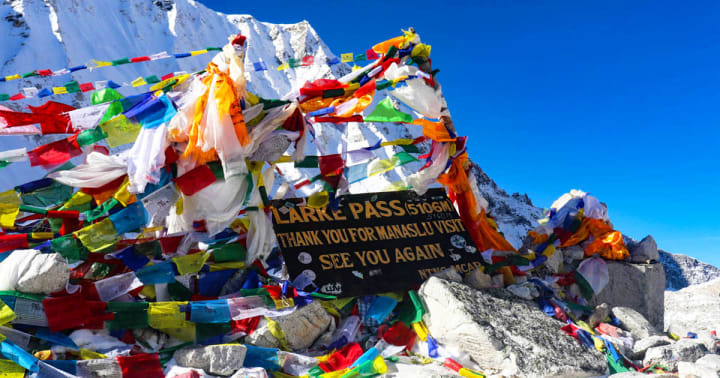
For a trekker, these spiritual signs not only attract but also help one understand the local worldview that integrates nature, spirituality, and society. Seeing those flags fluttering in the rugged Himalayan landscape provides one a deep feeling of place and purpose, which in turn makes visitors feel like they are part of the ancient spiritual culture.
Local Festivals and Celebrations
The Manaslu area is bursting with various festivals highlighting the richness of culture and sacred pasts. Perhaps, they can even watch these festivals in action, for example, Lhosar, the Tibetan New Year, with its vivid dances, masked performances, and socializing. Besides this, Mani Rimdu is a significant celebration, where monks carry on a number of sacred ritual dances that depict the ancient Buddhist stories, and Chhewar is a festival of the winter solstice.
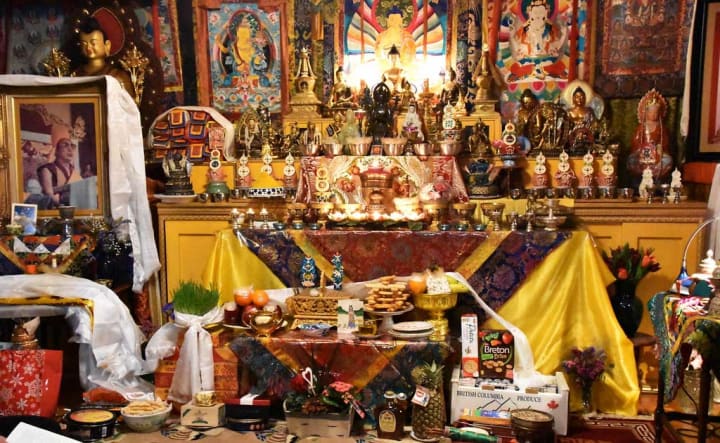
Such festivals were purely spiritual and social events and initially would include music, traditional dress, and feasting days. Enjoying a local festival on the Manaslu trek is nothing less than a walk through the living cultural canvas where ancient beliefs are still being practiced with passionate devotion. Going to those events and showing proper respect will definitely make the trekking experience better and also help to forge a good relationship with the people and their cultures.
Handicrafts and Thangka Paintings
Manaslu is rich in cultural heritage, particularly due to its phenomenal artisans who create handicrafts; for example, the process of making Thanka paintings, which are brightly colored scrolls featuring images of Buddhist gods and mandalas. The artworks mentioned above primarily serve as the main users of the meditation and teaching forms in the monasteries, in addition to their decorative function.
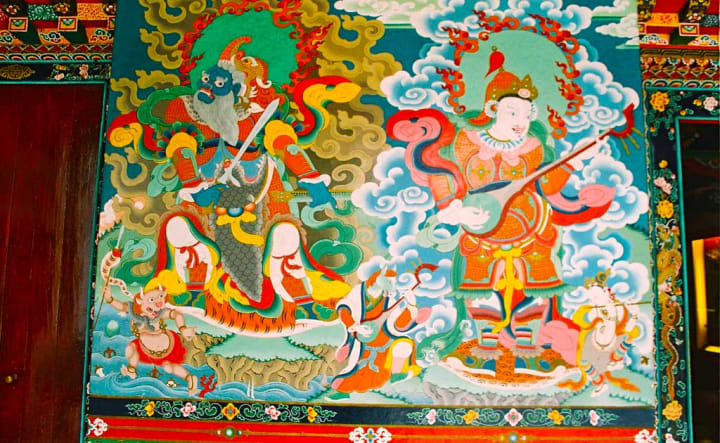
On top of the painted works, the trekkers may as well come across prayer wheels, traditional jewelry, hand-woven textiles, and carved wooden products sold by the local artisans. By buying these crafts, people endorse ecotourism, which in turn allows the region to keep its distinct cultural expressions. Visiting the local markets and studios is also a way to learn about the skills and talents that continue to flourish in the isolated mountain villages and thus, the tourists get the opportunity to come in contact with the source of Manaslu’s art and crafts.
Traditional Manaslu Food
Food is a delicious window into culture, and Manaslu’s cuisine reflects its Tibetan and Nepali roots. Typical dishes include tsampa (roasted barley flour mixed with butter tea), hearty momo (steamed dumplings filled with vegetables or meat), and thukpa, a comforting noodle soup perfect after a day on the trails. Butter tea, made from tea leaves, yak butter, and salt, is a staple drink that locals offer to guests as a sign of hospitality.
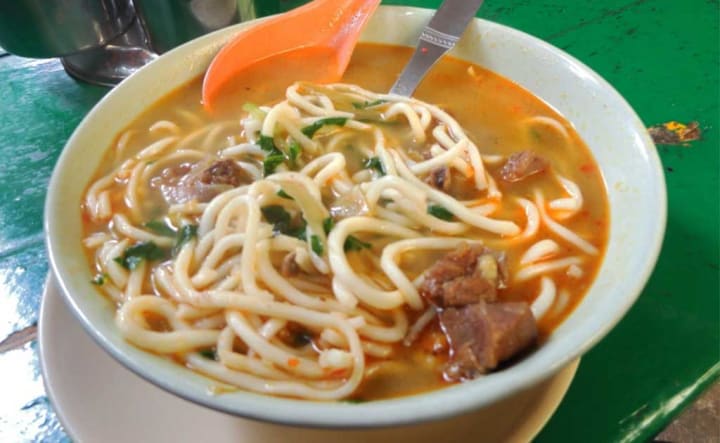
Sharing local food and staying in homestays or in teahouses provides a trekker with the opportunity to sample pure flavors and feel the hospitality and kindness of the people of Manaslu. Here food does not only mean nourishment, but it also serves as a medium of expression among communities and can also provide the guests of the area a taste of what it means to be in this particular location.
Spiritual Practices and Daily Rituals
The spiritual life of Manaslu is beyond festivals and monasteries and it can be seen everywhere in the locality. Visitors are likely to witness the natives engaged in spiritual rites such as turning their prayer wheels, lighting butter lamps at shrines, and giving incense or flowers to the deities.
These worship activities are for both the individual and the community, as they identify with their beliefs and show signs of being blessed in their homes and villages. By watching or even respectfully taking part in the ritual, the sojourners have a deeper connection to the Buddhist worldview of the Himalayas, and thus they realize that spirituality is their common thread. Such an unbroken spiritual tradition is what makes the Manaslu trek different from other routes and presents a significant cultural dimension in the adventure.
Local Language and Folklore
The people in Manaslu see language and storytelling as the two main supporting pillars of the culture. Most of the residents are able to speak different dialects of the Tibetan language along with Nepali and have a purely oral tradition full of legends, myths, and historical stories. The characters of these legends are usually nature, spirituality, and heroism combined, and they have been passed from one generation to the next. Language in this case is not only a means of communication; it is also a means of storing the history, traditions, and culture of the people. Many locals are bilingual or trilingual, as some trekkers speak both Tibetan dialects, Nepali, and English. Such a language experience enables a trekker to see the richness of the destination from a cultural perspective.
Local Lifestyle and Daily Life Along the Manaslu Trek
While trekking through Manaslu, a person is not walking through mountains but entering the reality of the people who inhabit such a great place. The local culture about how people live in Manaslu is closely tied to land, customs, and society, and you will have an opportunity to view how a community has managed to remain the proud way it has done so since time immemorial.
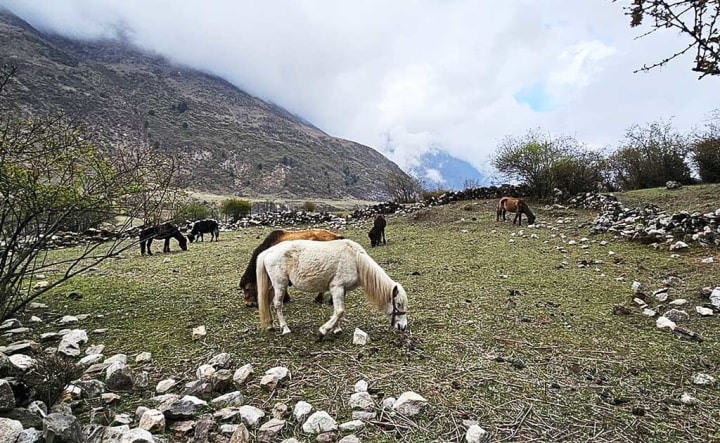
Besides agriculture, yak and goat herding is also a large aspect of everyday life. These are not just animals but an essential element of the Manaslu trekking culture, which supplied wool and milk to the people and even assisted in transportation in the mountains.
Community and education are very significant in the region of Manaslu. Most villages have local schools where children are socialized every day, waiting to acquire modern subjects as well as the cultural traditions they have inherited over generations. Supported by local organizations and trekking-related funds, these schools offer the community hope for a brighter future while keeping the legacy of their ancient roots alive. Regardless of the distance and lack of resources, the belief in education demonstrates the strength and visionary mind of the people here. The combination of contemporary life and the valuable traditions shaping up the Manaslu trekking culture is what is inspiring the younger generation to find the balance between these two worlds.
As the trekking industry continues to increase, local people are noticing slight, but noticeable, changes in the way of life, although people here are doing their best to preserve traditions. Many families have teahouses, lodges, and guidance services and welcome global trekkers into their homes and hearts. The mixture of the traditional and the modern has created some kind of way of life where offerings of the past coexist with mass tourism. The trek is not merely a journey across the miles but also a cultural experience with the locals in terms of sharing conversations, cultures, and daily lifestyles. This relationship between the travelers and the locals ensures that the Manaslu experience is fulfilling since everyone involved must be reminded that trekking in Manaslu is more about people than mountains.
Final Words
Trekking in the Manaslu region is not just about some spectacular scenery: it is an entry into the depths of a living culture developed over centuries of tradition, spirituality, and hardship. The local culture in Manaslu, the lively festivals, the hospitable villages, and the ancient monasteries all come into play to create a life itself, which surpasses many miles ahead of the Manaslu trekking trail.
Adhering to the Manaslu trekking culture basically means the person will have to open up and listen to new stories, meet new friends, and have a better understanding of the people living in this magnificent mountain by succumbing to the Manaslu trekking culture. Therefore, you could be attracted by the beautiful sceneries or the rich cultural textures, but your pathway will be filled with the actual relationships that you will develop along the path.
Ready to Experience the Culture and Beauty of Manaslu?
Discover the stunning landscapes and rich culture of Manaslu with Nepal Adventure Trek. We have highly professional guides and customized tours so your experience can be secure, comfortable, and memorable.
Reach out to Nepal Adventure Trek now and begin the journey of planning your Manaslu adventure!
About the Creator
Nepal Trek Adventures & Expedition Pvt. Ltd
Talking about Earths highest point; Mount Everest is always an interesting topic. We provide you best stories of Mount Everest. Its All About Everest, Ways to reach: Everest Base Camp Trek and Everest Base Camp Helicopter Tour.
Keep reading
More stories from Nepal Trek Adventures & Expedition Pvt. Ltd and writers in Wander and other communities.
A Photo Diary from the Roof of the World: Trekking in the Everest Region
📖 Introduction: Through the Lens of a Trekker The Everest Region in Nepal is one of the most popular trekking destinations. The region offers more than just the view of Mount Everest. It offers adventurers the chance to witness beautiful scenery, thrilling suspension bridges, wander around serene Sherpa villages, and even touch the Himalayan culture. The view en route to the Base Camp keeps changing through the day and offers plenty of mountain views, welcoming friendly locals, and more.
By Nepal Trek Adventures & Expedition Pvt. Ltd9 months ago in Wander
Worth the Wait: Puerto Viejo, Costa Rica
Beach bumming in a small Caribbean beach town sounded like a perfect way to end our 6-month trip through Mexico and Central America. Or so we thought. The foul, fishy stench of rotten seaweed hit our nostrils as we stepped from the cramped bus and looked out at a rather depressing, empty, and underwhelming black sand beach. It was pouring with rain, and we had to quickly fish out our ponchos. We thought, this couldn’t be it, could it?
By Sh*t Happens - Lost Girl Travel9 days ago in Wander
Lost in Translation: How Getting It Wrong in Asia Taught Me How to Travel Right
My first morning in Hanoi started with a sensory assault. I was sitting on a tiny blue plastic stool, knees touching my chin, watching a woman whisk an egg yolk into a cup of robusta coffee. The air smelled of charcoal smoke, cilantro, and exhaust fumes. It was chaotic, loud, and utterly mesmerizing.
By Eleni N. Markou6 days ago in Wander




Comments
There are no comments for this story
Be the first to respond and start the conversation.