
Top 8 Facts About Rainbow Mountain You Probably Didn’t Know
Unveiling the Secrets of Peru’s Vinicunca: Discover the Top 8 Fascinating Facts About Rainbow Mountain


Introduction
Rainbow Mountain, also known as Vinicunca or Montaña de Siete Colores, is one of the most mesmerizing natural wonders in Peru. Located high in the Andes, it has quickly become a must-visit destination for adventurers, photographers, and nature enthusiasts. While many are familiar with its stunningly vibrant stripes, there’s so much more to this colorful mountain than meets the eye. In this article, we’ll uncover the top eight facts about Rainbow Mountain that you probably didn’t know.
1. Rainbow Mountain Was Hidden for Centuries
For a long time, Rainbow Mountain was buried under a thick layer of snow and ice. It wasn’t until recent decades, with climate change accelerating glacier melting, that its colorful layers were revealed. This geological masterpiece, tucked away in the Peruvian Andes, is a relatively new discovery for the world.
Before its fame, the locals had a spiritual connection to the mountain but rarely spoke of it to outsiders. When the snow melted, travelers started noticing the vibrant hues, sparking global fascination. Today, visitors on a Rainbow Mountain tour can marvel at its beauty, but it's also a sobering reminder of climate change’s impact.
2. The Colors Are Due to Mineral Deposits
Rainbow Mountain’s captivating colors aren’t a result of paint or any human intervention—they’re entirely natural. The vivid stripes are caused by the presence of different minerals deposited over millions of years. For example:
- Red layers: Composed of iron oxide.
- Green hues: From chlorite.
- Yellow tones: Result of sulfur.
- White streaks: Created by quartz-rich sandstone.
Each layer tells a geological story, making Vinicunca Rainbow Mountain a living history book of Earth’s formation. The next time you hike this wonder, consider the millions of years it took to create such a spectacle.
3. It’s a Challenging Hike
Reaching Rainbow Mountain isn’t for the faint of heart. Situated at an altitude of 5,200 meters (17,060 feet) above sea level, the trek can be physically demanding due to the thin air and steep inclines.
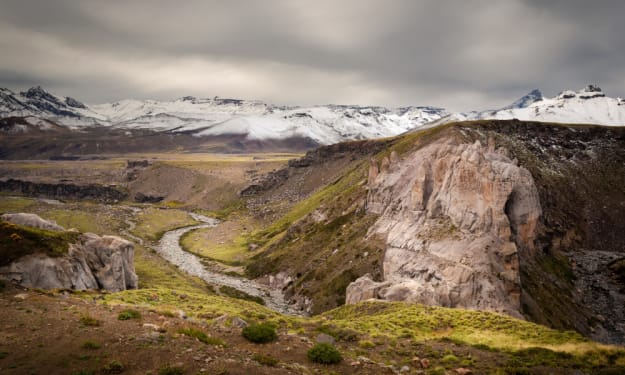
The journey typically starts from Cusco, followed by a multi-hour drive and a 4-5 kilometer hike to the summit. While the trail offers breathtaking scenery, including herds of alpacas and snow-capped peaks, altitude sickness is a real concern. Travelers are advised to acclimatize in Cusco before embarking on a Rainbow Mountain tour.
For those unable to hike, horse rentals are often available, allowing more people to experience the mountain’s magic.
4. Rainbow Mountain Is Part of the Andes’ Ausangate Region
Vinicunca Rainbow Mountain isn’t a standalone peak; it’s part of the larger Ausangate region. The Ausangate Mountain, revered by the local Quechua people as a sacred deity, towers nearby and complements the colorful landscape.
The region is dotted with turquoise lakes, sprawling valleys, and traditional villages, offering visitors a deeper connection to Peru’s Andean culture. Many trekkers combine their Rainbow Mountain tour with a visit to Ausangate, making it a multi-day adventure.
5. The Locals Have Deep Spiritual Connections to the Mountain
To the indigenous Quechua communities, Rainbow Mountain and the surrounding area are more than just beautiful landscapes—they’re sacred. Known as “Apus,” these mountain spirits are believed to protect and guide the people.
The area hosts traditional ceremonies, such as offerings to Pachamama (Mother Earth) and Apus, where locals express gratitude for the land’s bounty. Travelers are encouraged to respect these traditions and approach the mountain with reverence.
6. Rainbow Mountain Is One of Peru’s Most Popular Tourist Attractions
Despite being a relatively new destination, Rainbow Mountain has quickly become one of Peru’s top tourist attractions, rivaling even Machu Picchu. On peak days, the trail sees thousands of visitors eager to capture the perfect photo.
Its fame skyrocketed thanks to social media, where travelers shared their colorful snapshots, inspiring others to embark on their own Vinicunca Rainbow Mountain adventure. Tour operators have since tailored packages to accommodate the growing demand, offering everything from guided hikes to luxury experiences.
7. Best Time to Visit Rainbow Mountain
Timing is crucial when planning a Rainbow Mountain tour. The best months to visit are during the dry season, which runs from May to September. During this time, the skies are clear, and the vibrant colors are most visible.
In contrast, the rainy season (November to March) can make the trail muddy and the colors less distinct. Early mornings are also recommended to avoid crowds and capture the mountain in the soft morning light.
8. Sustainable Tourism Efforts Are in Place
The sudden surge in visitors posed challenges to Rainbow Mountain’s fragile ecosystem. In response, local communities and tour operators have implemented measures to protect the area.
These efforts include:
- Trail maintenance: Ensuring the paths are well-marked and erosion is minimized.
- Waste management: Encouraging eco-friendly practices among visitors.
- Local guides: Hiring local Quechua guides who share cultural insights while preserving the community’s livelihood.
By supporting sustainable tourism, visitors can enjoy their Vinicunca Rainbow Mountain tour while contributing to its conservation for future generations.
Conclusion
Rainbow Mountain is far more than a picturesque backdrop for Instagram photos—it’s a geological wonder, a spiritual site, and a symbol of Peru’s rich heritage. From its hidden history to its breathtaking colors and challenging hikes, every aspect of Vinicunca Rainbow Mountain captivates travelers.
As you plan your Rainbow Mountain tour, take time to appreciate the stories behind its beauty and the efforts to preserve its magic. Whether you’re an adventurer, a nature lover, or a cultural enthusiast, this vibrant mountain is sure to leave a lasting impression.
FAQs
1. What is the best time to visit Rainbow Mountain?
The dry season, from May to September, offers the best conditions for visiting Rainbow Mountain.
2. How high is Rainbow Mountain?
Rainbow Mountain sits at an altitude of 5,200 meters (17,060 feet) above sea level.
3. Can I visit Rainbow Mountain if I’m not an experienced hiker?
Yes, horse rentals are available for those unable to complete the hike on foot.
4. How far is Rainbow Mountain from Cusco?
It’s approximately a three-hour drive from Cusco, followed by a 4-5 kilometer hike.
5. Why is Rainbow Mountain colorful?
The colors are due to mineral deposits, such as iron oxide, chlorite, and sulfur, which have built up over millions of years.
About the Creator
Andean Trekking Peru
Andean Trekking is a fully licensed small local travel company that assists individuals and groups with planning activities and trips in Peru all year round. We don’t make tours, we make life time experience.
Keep reading
More stories from Andean Trekking Peru and writers in Wander and other communities.
Top 5 Hidden Gems in the Sacred Valley You Shouldn't Miss
The Sacred Valley of the Incas, located in the Andes of Peru, is a mystical region filled with breathtaking landscapes, ancient ruins, and vibrant culture. While most visitors explore the valley as part of a Sacred Valley and Machu Picchu tour, they often miss some of its most incredible hidden gems. If you’re looking for an off-the-beaten-path experience, this guide will take you through five secret treasures that deserve a spot on your itinerary.
By Andean Trekking Peru11 months ago in Wander
Tea for one in Brighton: Afternoon Tea at the historic Old Ship Hotel
There is still something quietly radical about a woman choosing to travel alone, one who enjoys life’s small pleasures entirely on her own terms. As spring approaches and travellers begin to plan their escapes, Brighton feels like the perfect place to practise that freedom. Whilst Afternoon Tea is a year-round ritual, there is something especially enchanting about enjoying it in this seaside town in the south of England as winter loosens its grip.
By Susan Fourtané about 8 hours ago in Wander
Why Hanifaru Bay is a Dream Destination for Marine Life Enthusiasts
Hanifaru Bay, situated in the Baa Atoll in the Maldives, is one of the earth's most bizarre protected marine areas. This protected zone has a special reputation for the annual visitation of mantas and whale sharks and provides a chance for a nature enthusiast to explore the wonders of the ocean.
By ameliarosanna5 days ago in Wander


Comments
There are no comments for this story
Be the first to respond and start the conversation.