
Top 20 Must-Visit Places in Uttarakhand
Discover the top 20 places to visit in Uttarakhand, from sacred temples and serene hill stations to lush valleys and adventure hubs. A complete travel guide with local tips, cultural highlights, and breathtaking Himalayan destinations.

Nestled in the Himalayas, Uttarakhand (literally “Northern Land” and "Land of Gods") is home to lush forests, snow-capped peaks, sacred rivers and vibrant hill towns. This diverse state offers everything from spiritual pilgrimage sites and mountain treks to colonial-era hill stations and wildlife safaris. Whether you’re seeking adventure, serenity or cultural richness, Uttarakhand’s beauty is sure to captivate. Here are 20 of the must-visit destinations, each with its own charm, attractions and local flavor.
1. Rishikesh

Rishikesh is a scenic town on the banks of the Ganges, famous as the “Yoga Capital of the World.” It hosts annual yoga and meditation festivals and is dotted with ashrams and temples. The town’s steel suspension bridges (Lakshman and Ram Jhula) frame the river and surrounding hills. Rishikesh is also known for adventure sports – river rafting on the Ganges, bungee jumping and trekking in the nearby hills. Beatles aficionados note the Maharishi’s ashram where the band once studied meditation. Note that Rishikesh is a strictly vegetarian and alcohol-free city. (Local tip: try the aloo-puri breakfast or stuffed parathas at the markets, and don’t miss an evening Ganga aarti on the riverbank.)
2. Haridwar

Just downstream from Rishikesh lies Haridwar, a bustling pilgrimage city at the foothills. It’s famous for Har Ki Pauri (Har ki Paidi), a ghat on the Ganges where thousands gather each evening for the fiery Ganga Aarti ceremony. Haridwar is one of Hinduism’s Sapta Puri (seven holy cities) and the starting point for many pilgrimages. The city’s temples, ghats and festivals (like the Kumbh Mela, held every 12 years) make it deeply spiritual. By local law, Haridwar is entirely vegetarian – you won’t find meat or alcohol here. (Tip: sample the famous sweet puri laddus offered as temple prasad, and stroll the bhool-bhangra swing at Har Ki Pauri for devotees’ blessings.)
3. Nainital

Perched around an emerald alpine lake, Nainital is one of Uttarakhand’s classic Kumaon hill stations. Naini Lake’s crescent shape gives the town its name, and you can take boat rides on its calm waters or enjoy gondola rides to nearby viewpoints. Surrounding hills like Tiffin Top and Snow View offer panoramic vistas of the lake and mountains. Mall Road is a charming promenade full of shops and cafes. Nainital also has a historic Naina Devi temple (one of 51 Shakti Peeths) on its lakeshore. In short: boating, street food stalls and colonial charm. (Local tip: try aloo ke gutke – spicy Kumaoni potatoes – or Bhatt ki churkani with curd at a hillside cafe. Don’t forget to buy local jams and Tibetan crafts.)
4. Mussoorie
Known as the “Queen of the Hills,” Mussoorie sits at about 2,000m in the Garhwal Himalayas. It has a vintage hill-station feel with cedar forests and British-era architecture. The popular Mall Road (with its shops and bakeries) and nearby Char Dukan area are great for strolling. For views, take the cable car to Gun Hill or drive up to Lal Tibba – both command 360° vistas of Himalayan peaks. Nature lovers can visit the sparkling Kempty Falls (15 km out, a popular picnic spot) or take woodland walks along Camel’s Back Road. (Local tip: Mussoorie is famous for moong dal halwa – try it at Char Dukan! And on misty mornings, warm tea with snacks at Cloud’s End is heavenly.)
5. Dehradun

Dehradun, Uttarakhand’s peaceful valley capital, lies in the Doon Valley amid surrounding mountains. It is the gateway to many destinations and home to scenic spots like Robber’s Cave (a limestone gorge with a river flowing through a cave) and the Sahastradhara (thousand-fold spring) waterfall. Historic markets like Paltan Bazaar and Tibetan handicraft markets add charm to the city. Dehradun is also famous for its educational institutions (the Doon School, Forest Research Institute) and local delicacies (try ballehmi ki chakli and tangy kachoris in age-old bakeries). (Local tip: Don’t miss evening strolls in the lush Rajaji National Park nearby for elephant or deer sightings, and carry a light jacket – the evenings can be cool.)
6. Auli

Auli is a high-altitude meadow and ski resort in the Chamoli district. At around 3,000m, it offers panoramic views of Nanda Devi, Kamet and other great Himalayan peaks. In winter (Dec–Feb) its gentle slopes are India’s top skiing grounds. An engineering marvel – the Auli ropeway – links it to Joshimath (the cable car was once Asia’s longest). In summer Auli’s lush alpine meadows (bugyals) and apple orchards are a cool retreat. (Tip: If you visit in winter, book ski gear and lessons in advance. In any season, carry warm layers – the mountain weather changes fast.)
7. Chopta
Often called “Mini Switzerland,” Chopta is a remote hamlet in the Kedarnath Wildlife Sanctuary. At roughly 2,700m elevation, it’s the trek base for Tungnath Temple (India’s highest Shiva shrine at 3,680m) and the Chandrashila peak (4,000m). From Chopta’s wildflower meadows and forests you can spot snowy giants like Trishul and Nanda Devi. Its cool, misty landscapes and dense rhododendron patches feel like a European highland. (Local tip: There are no fancy restaurants here – bring snacks and plenty of water. Early mornings are magical for sunrise over the peaks.)
8. Valley of Flowers
A UNESCO World Heritage Site, the Valley of Flowers is a high Himalayan haven of wildflowers in summer. Located in Chamoli district near Govindghat (base camp), this protected valley bursts into bloom (blue poppies, primulas, asters, etc.) in July–September. It’s a 2–3 day trek through lush forests and meadows to reach. The valley is also a habitat for endangered wildlife (snow leopards, musk deer and Himalayan birds). Visiting here feels like stepping into a fairy-tale garden among the clouds. (Tip: Only open mid-June to early October – plan accordingly. Pack hiking gear and respect the fragile ecosystem: camping only at designated sites.)
Valley of Flowers has moderate difficult trails, so it is recommended to go with a guided tour itinerary.
9. Badrinath

Badrinath is one of India’s most sacred Hindu shrines, perched at 3,300m amid the Himalayas. The main temple (Shri Badrivishal) is dedicated to Lord Vishnu and attracts pilgrims year-round in summer. Pilgrims bathe in the hot Tapt Kund springs below the temple, believed to have healing properties. The town has a simple Buddhist-festival vibe, surrounded by snow-peaks on three sides. (Tip: Badrinath’s cuisine is austere – Dal and rotis. Try Bal Mithai and local kodo grain preparations sold in shops.) Culturally, it’s on the ancient Char Dham circuit (Badrinath, Kedarnath, Gangotri, Yamunotri) and was revered by Adi Shankara.
10. Kedarnath
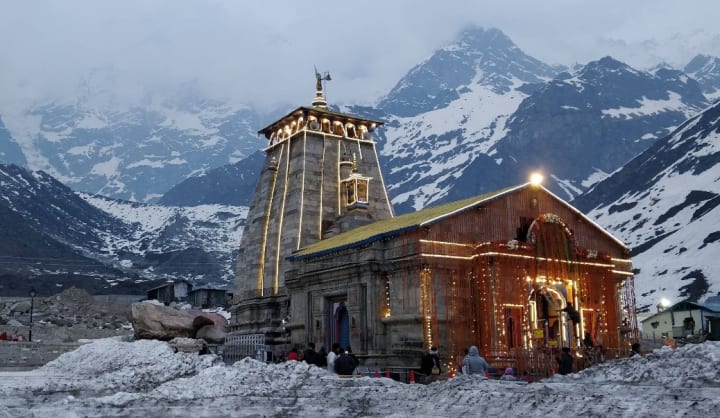
Kedarnath (3,583m) is another major Char Dham shrine, dedicated to Lord Shiva. It is also the most prominent of the Panch Kedar, a group of five sacred Shiva temples in the Garhwal Himalayas. The temple sits atop the Rudraprayag Himalaya, by the churning Mandakini River, and is accessible only by a 14km trek from Gaurikund. It is one of the twelve sacred Jyotirlinga shrines.
The old stone temple (rebuilt after the 2013 floods) is always crowded with believers. The trek itself traverses pine forests, waterfalls, and rugged valleys. In June 2013, massive flash floods hit Kedarnath, but miraculously, a huge boulder helped protect the shrine from destruction.
(Tip: The path can be muddy and cold – bring sturdy boots and layers. Stay hydrated with boiled water. The temple generally opens May–Nov.)
11. Gangotri

Gangotri is a pilgrim town (3,100m) on the banks of the Bhagirathi River – the origin stream of the sacred Ganga. Here stands the Gangotri Temple (closed in winter) dedicated to Goddess Ganga. Just above the town, a trek leads to Gaumukh (the snout of the Gangotri Glacier), where pilgrims see the literal source of the Ganges. The legend of King Bhagiratha bringing the Ganga down is said to have taken place on these rocks. (Tip: The trek to Gaumukh is strenuous and weather-dependent, often done over two days with an overnight camp at Bhojbasa. Carry windproof gear and get permits in Uttarkashi.)
12. Yamunotri

Yamunotri (3,291m) is the high Himalayan shrine of Goddess Yamuna. Pilgrims hike (or ride horses) through forests to reach the temple, facing the sacred Jamunabai peak (Bandarpunch). Nearby is the Surya Kund hot spring: its boiling water is used to cook rice and potatoes which are then offered as prasad (a unique local ritual). The trek path follows the Yamuna River valley. (Tip: Temple opens May–Nov. If you go, sample the prasad ki roti – bread made from flour cooked in the hot spring! The hike is moderate but steep; carry sturdy shoes.)
13. Mukteshwar
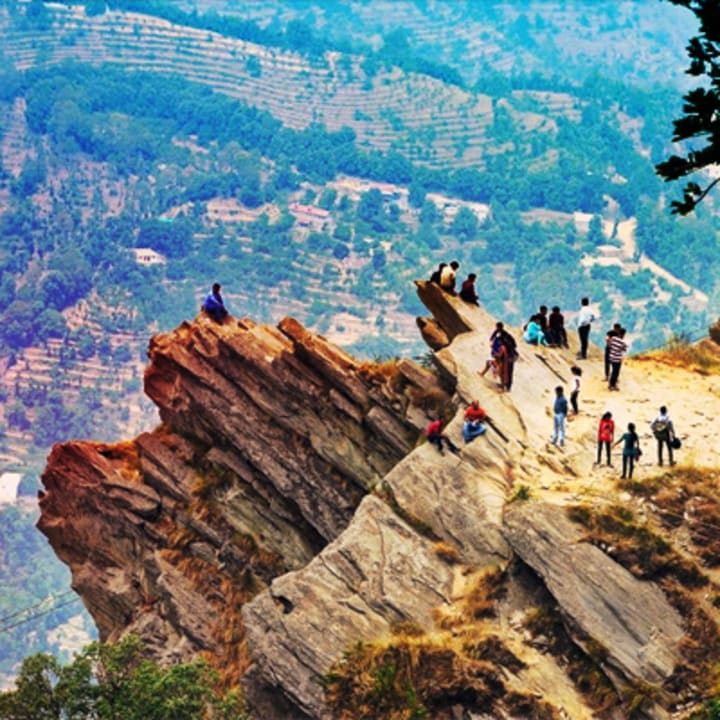
Mukteshwar is a quiet Kumaon hill town at about 2,170m, named after its 350-year-old Shiva temple (Mukteshwar Dham) on the highest point. The temple perch and nearby cliffs (Chauli Ki Jali) offer amazing sunrise and Himalayan views (from Nanda Devi to Trishul on clear days). The surrounding area is lush with orchards (apples, apricots) and the Government fruit research farm. It’s a peaceful getaway famed for cool mountain air, deodar forests and colonial bungalows. (Local tip: Don’t miss the fruit preserves at the Horticulture Institute or pancakes at the old British-era café. For the best panorama, hike up to Chauli Ki Jali before dawn.)
14. Lansdowne
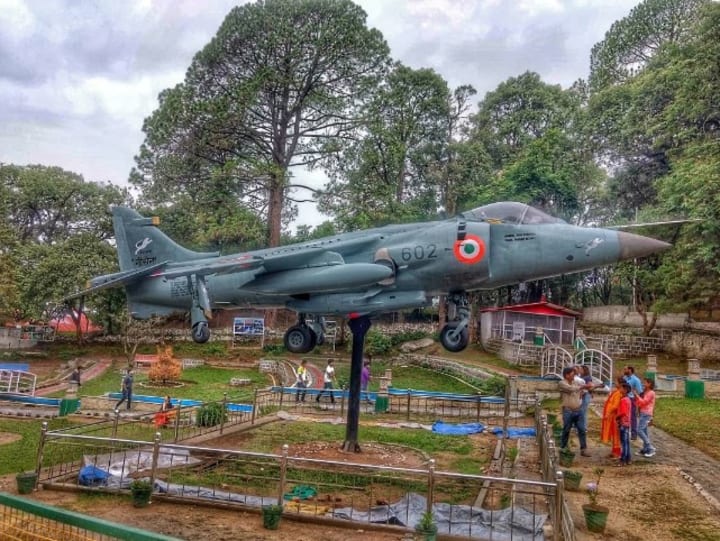
Lansdowne is a quaint British-era cantonment town (1,780m) in Garhwal. It remains delightfully uncrowded, with dense pine and deodar forests. Highlights include the Garhwal Rifles Regimental War Memorial and Museum (Darwan Singh Sangrahalaya), which showcases the valour of this storied regiment. Tip-in-Top point (around 2,100m) offers a lovely view of the Doon Valley. You’ll also find St. Mary’s Church, Bhulla Lake (for boating) and winding trails lined with rhododendrons. (Local tip: Dress warmly even in summer evenings. Local eatery siddu (steamed wheat bread) and gajjak (sesame brittle) are Himalayan specialties to try.)
15. Jim Corbett National Park
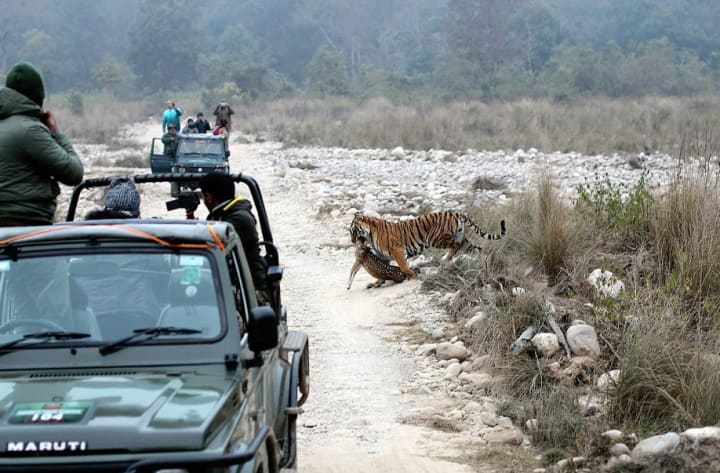
India’s first national park, Jim Corbett National Park (established 1936) sprawls over the foothills of Uttarakhand. Named after hunter-conservationist Jim Corbett, it’s famous for Bengal tiger conservation and was the first tiger reserve under Project Tiger. The park’s jungles, grasslands and the Ramganga River attract wildlife enthusiasts. Tourists come for jeep and elephant safaris (popular zones: Dhikala, Bijrani, Sitabani) to spot tigers, elephants, leopards and deer. (According to the latest census, Corbett has about 260 tigers and over 1,100 elephants.) Birdwatchers will also find hundreds of species here. Safaris fill up fast, so book permits in advance. The park closes during monsoon (June–Sept) for regeneration.
16. Binsar
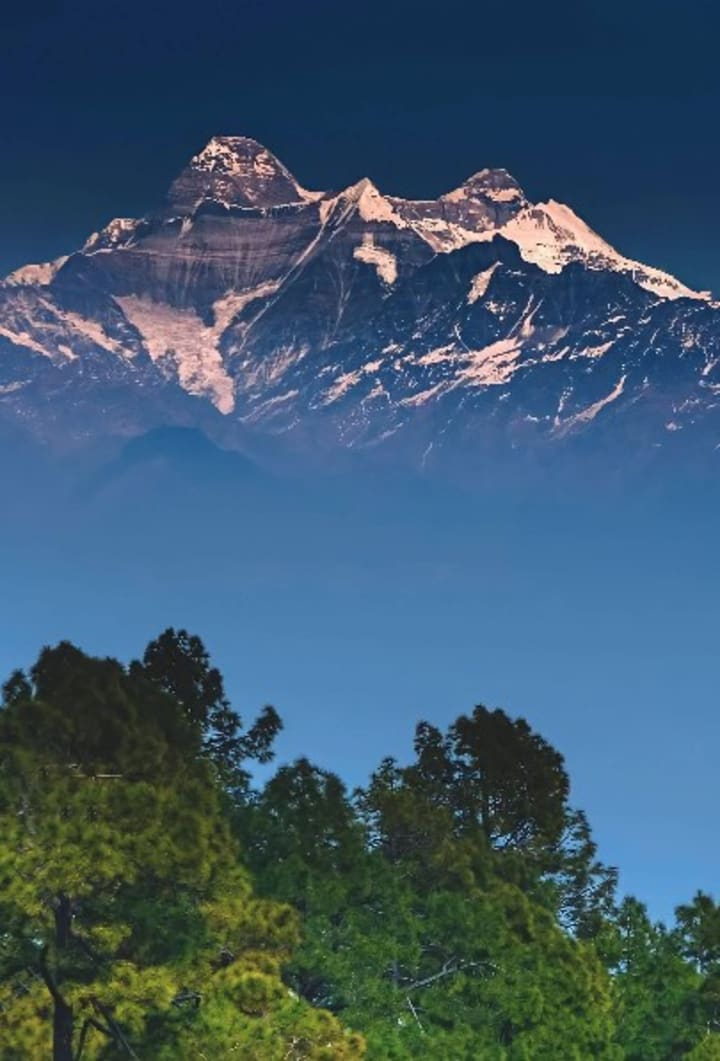
Binsar Wildlife Sanctuary (around 2,400m average altitude) is a scenic reserve in Kumaon. Once the summer capital of the Chand rulers, it’s now known for forested ridges of oak and rhododendron. A highlight is Zero Point (Jhandi Dhaar), the high ridge from which 360° mountain views – including peaks like Kedarnath, Shivling, Trisul, Nanda Devi and Panchachuli – unfold. The sanctuary has over 200 bird species and wildlife like leopard, Himalayan goral, deer and langurs. (Tip: Stay in one of the charming heritage homestays. Early mornings on the trails may bring Bharatpur-style birdcalls and pristine mountain air.)
17. Pithoragarh

Pithoragarh is the remote eastern gateway of Uttarakhand, perched at 1,627m in the Saur Valley. It’s a multicultural hill town near the borders with Nepal and Tibet, with Buddhist shrines blending into Kumaoni culture. From town you can see panoramic views of Panchachuli’s five snowy peaks. The town has a historic fort (built by Chand kings) and temples like Thal Kedar. It’s also a jumping-off point for scenic treks: the Askot wildlife sanctuary, the Himalayan pilgrimage Om Parvat, and the Johar Valley (Milam Glacier trek). (Local tip: Enjoy warm rajma-chawal (kidney beans rice) and the local apricot nectar. Mornings can be chilly, so layer up.)
18. Ranikhet
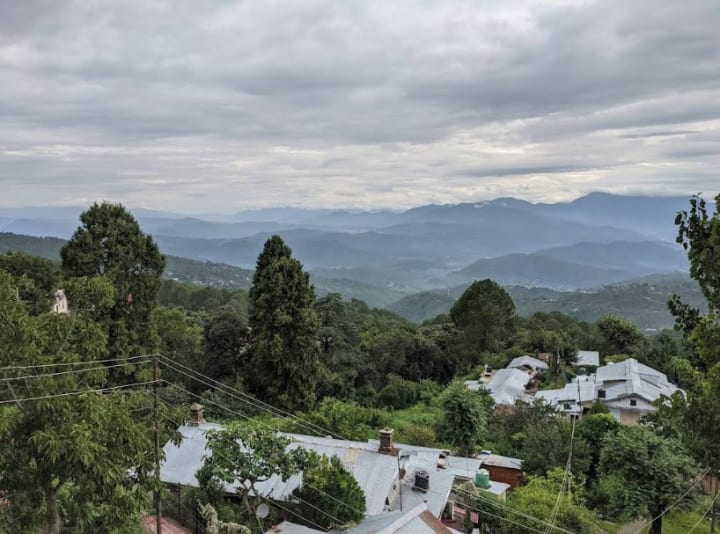
Ranikhet (1,869m) is a graceful cantonment hill station in Almora district. Its rolling meadows and pine forests offer views of Trishul and Nanda Devi in the distance. Key sites include the lush Chaubatia Gardens (just outside town), known for apple and peach orchards, and the charming Mankameshwar and Jhula Devi temples, each with its own legend. There’s also a golf course (the only one in Kumaon) and a War Memorial. (Tip: Visit Chaubatia for orchard walks and a picnic at Bhalu Dam lake. Try aloo ke gutke and the local Bal Mithai sweet – and don’t miss the famous “Ranikhet chicken” curry, actually a vegetarian snack of spiced rice!)
19. Harsil Valley

Harsil Valley is a high valley (2,745m) on the route to Gangotri, where the Bhagirathi River winds past apple orchards. It’s a sleepy village known for its pristine Himalayan vistas. In the 19th century an Englishman “Pahari” Wilson developed Harsil’s famous apple and rajma (kidney bean) farming; today, the orchards still bloom in spring. Travelers can enjoy riverside camping, trout fishing and views of Gangotri National Park peaks. (Tip: Stay in a forest rest house for real wilderness feel. If you visit in September, the apple harvest is in full swing – local farmers welcome visitors to pick fruit!)
20. Munsiyari

Dubbed the “Little Kashmir of Uttarakhand,” Munsiyari (2,200m) is a picturesque town in Pithoragarh district. It is the base for treks into the interior Himalayan ranges (Nanda Devi and Panchchuli peaks). On clear days, Munsiyari offers breathtaking panoramas of the Panchchuli massif and the snow-clad Nanda Devi range. The town also has a useful tribal museum and lively local markets. (Local tip: Hike to Birthi Falls or the sunrise point at Rilkot. Try Kumaoni delicacies like chainsoo (gram flour curry) and enjoy the rare alpine flora. The Uttarakhand Forest Department has even set up India’s first Lichen Park here, reflecting its rich biodiversity.)
Final Words about these Places in Uttarkhand
Each of these Uttarakhand destinations is unforgettable in its own way – from spiritual experiences in Rishikesh or Badrinath to adventures on Corbett’s jungle trails or Chopta’s bugyals. Whether you’re planning a family vacation, a solo trek or a pilgrim’s journey, Uttarakhand’s warm hill stations, temples, and natural wonders await.
FAQs
Q 1. What are the best hill stations to visit in Uttarakhand?
Ans. Nainital, Mussoorie, Auli, Lansdowne, and Mukteshwar are some of the top hill stations offering scenic views, cool weather, and peaceful getaways.
Q 2. Which places in Uttarakhand are ideal for spiritual tourism?
Ans. Haridwar, Rishikesh, Badrinath, Kedarnath, Gangotri, and Yamunotri are key spiritual destinations, forming part of the famous Char Dham Yatra.
Q 3. When is the best time to visit Uttarakhand?
Ans. March to June and September to November are ideal. Winter (Dec–Feb) is perfect for snow in places like Auli and Munsiyari.
Q 4. Is Uttarakhand safe for solo and female travelers?
Ans. Yes, Uttarakhand is generally safe. Stick to well-known routes, avoid late-night travel in remote areas, and stay in reputable accommodations.
Q 5. What are the best places for adventure activities in Uttarakhand?
Ans. Rishikesh (rafting, bungee jumping), Auli (skiing), Valley of Flowers (trekking), and Jim Corbett (wildlife safaris) are top adventure hotspots.
Q 6. Are permits required to visit Valley of Flowers or Gaumukh?
Ans. Yes, both Valley of Flowers and Gaumukh require forest permits, which can be obtained in Govindghat or Uttarkashi, respectively. Permit for Valley of Flowers trek can be applied online and get it instantly. For permit for Gaumukh or Tapovan, visit here.
Q 7. Can I visit Char Dham by road?
Ans. Yes, all Char Dham shrines are connected by road, though some (like Kedarnath (16-18 km one way) and Yamunotri (5-6 km one way) require moderate level treks.
Q 8. What’s the nearest airport to major Uttarakhand destinations?
Ans. Jolly Grant Airport (Dehradun) is closest to Rishikesh, Haridwar, Mussoorie, and Char Dham. Pantnagar Airport serves Kumaon region like Nainital and Ranikhet.
Q 9. Which places in Uttarakhand receive snowfall?
Ans. Auli, Munsiyari, Chopta, Dhanaulti, and sometimes Mussoorie and Nainital receive snowfall during December to February.
Q 10. Is public transport easily available in Uttarakhand?
Ans. Yes, buses and shared taxis operate widely, but schedules may be irregular in remote areas. Hiring private cabs is more convenient for touring.
Q 11. What local dishes should I try in Uttarakhand?
Ans. Try Aloo ke Gutke, Jhangore ki Kheer, Arse, Sheede, Chainsoo, Bhatt ki Churdkani, Singhori, and Bal Mithai. Each region has its own unique flavors.
Q 12. Are there trekking options for beginners in Uttarakhand?
Ans. Yes, easy treks include Chopta–Tungnath–Chandrashila, Nag Tibba, and Dayara Bugyal – perfect for beginners with stunning views.
Q 13. How many days are ideal for a Uttarakhand trip?
Ans. A 7–10 day trip is great to cover 2–3 regions like Rishikesh–Auli–Mussoorie or Nainital–Binsar–Munsiyari comfortably.
Q 14. Do I need to book Char Dham Yatra in advance?
Ans. Yes, advance registration is mandatory online or at authorized centers. Accommodation and transport should also be pre-booked during peak season.
Q 15. What are some lesser-known places worth visiting in Uttarakhand?
Ans. Binsar, Harsil, Chopta, and Khirsu are offbeat gems offering tranquility, scenic beauty, and minimal crowds.
About the Creator
Mountains Curve
I’m a passionate traveler with an insatiable curiosity for exploring new corners of the world. Beyond my love for adventure, I find joy in DIY crafts, cooking, planting, spending time in forests, and diving into anything new to learn.
Keep reading
More stories from Mountains Curve and writers in Wander and other communities.
Dayara Bugyal Trek Best Time - Guide to Weather & Temperature
Dayara Bugyal is one of most beautiful grasslands in Uttarakhand, India, known for its vast alpine pastures, easy trails, and dramatic seasonal transformations. Located in the Garhwal Himalayas of the Himalayan region, this trek rewards trekkers with rolling Bugyal meadows, dense forest walks, and sweeping mountain vistas throughout the year.
By Mountains Curve2 months ago in Wander
Worth the Wait: Puerto Viejo, Costa Rica
Beach bumming in a small Caribbean beach town sounded like a perfect way to end our 6-month trip through Mexico and Central America. Or so we thought. The foul, fishy stench of rotten seaweed hit our nostrils as we stepped from the cramped bus and looked out at a rather depressing, empty, and underwhelming black sand beach. It was pouring with rain, and we had to quickly fish out our ponchos. We thought, this couldn’t be it, could it?
By Sh*t Happens - Lost Girl Travel7 days ago in Wander
Turkey: Take THEM With You.
The first time I went to Istanbul, I went with my sister. The second time, I brought family. Picture from the trip. Same city. Same accommodation - right in the center of everything, the spot we'd found the first time and couldn't justify leaving.
By Destiny S. Harris6 days ago in Wander



Comments
There are no comments for this story
Be the first to respond and start the conversation.