
London is the home of theatre, and the West End is known as Theatreland because of its vibrant theatre scene, which is located around Covent Garden, Soho, and Shaftesbury Avenue.
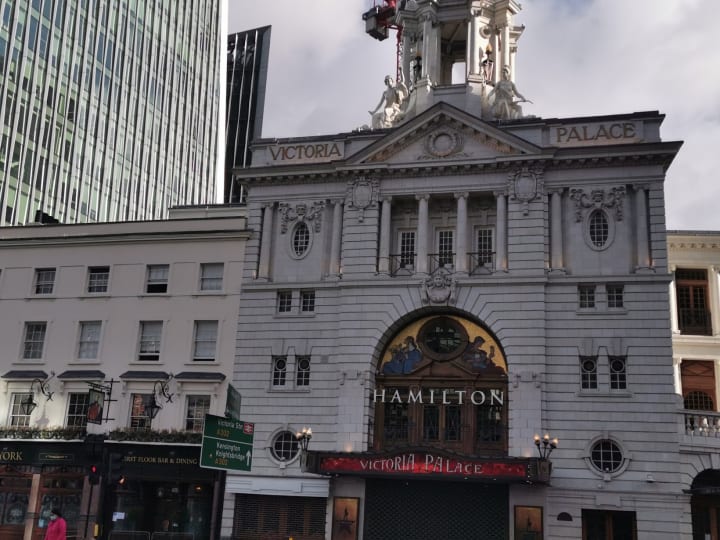
Here, you’ll find blockbuster performances, musicals, classic plays, new works, and star-studded productions.
Theatreland draws millions annually, boosting tourism and local businesses like restaurants and bars in Covent Garden and Leicester Square. It’s a multibillion-pound industry, and it has a ripple effect in the nearby area.

Did you know….
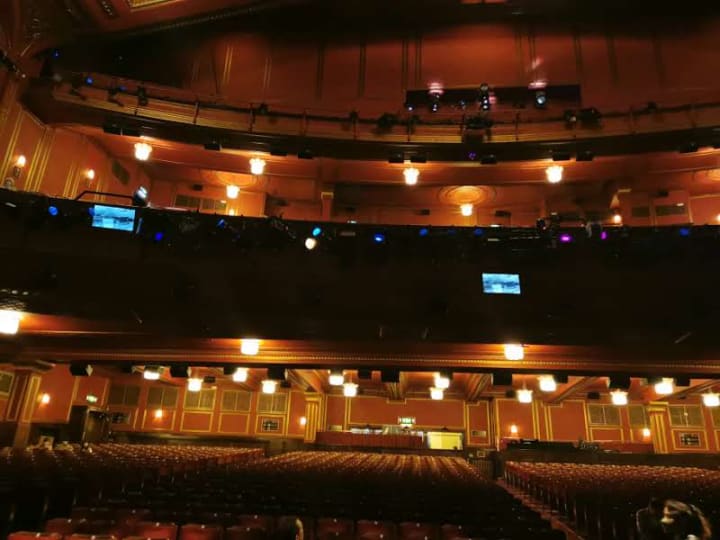
✳️ Are there over 40 major venues? They include the London Palladium, Theatre Royal Drury Lane, and the Lyceum. Many are Grade I or II listed and have stunning Victorian or Edwardian architecture.
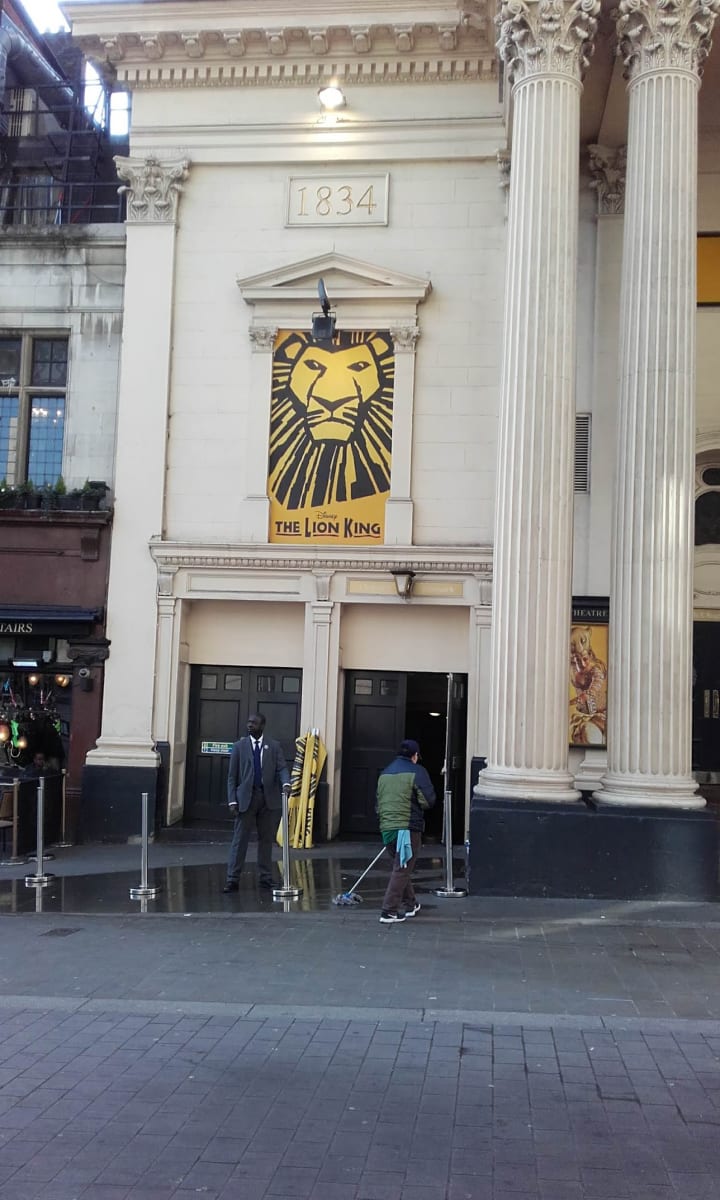
✳️Famous shows like Les Misérables, a long-running musical, have been going strong since 1985. The Phantom of the Opera and The Lion King are also the old guard when it comes to theatre.

✳️Yes, tickets are expensive, but you can get tickets to suit each budget. I remember being told about the Ticket booth in Leicester Square, where you can pick up cut-price tickets for shows on the same day. Tickets range from £20 for upper circle seats to £150+ for premium stalls. Day seats, lotteries, and rush tickets (e.g., via apps like TodayTix) make shows more affordable.

History
Theatre in London took root during the Elizabethan era, though the West End’s story begins slightly later. Playhouses like the Globe (1599) hosted Shakespeare’s works in South of the Thames, but the area now known as Theatreland was still developing.

Theatreland can trace its roots back to the 17th century with Restoration theatre, but the West End boomed in the 19th century as theatres multiplied. Iconic venues like the Theatre Royal Haymarket (1720) and Drury Lane (1663, rebuilt) have hosted everyone from Nell Gwyn to modern stars like Ian McKellen.

The first significant step came with the establishment of the Theatre Royal Drury Lane in 1663, under a royal charter from Charles II. This marked the Restoration period, when theatre rebounded after Puritan bans (1642–1660) shuttered playhouses. Drury Lane was a simple venue that introduced movable scenery and female actors (like Nell Gwyn), which set the scene for professional theatre.
Theatres were candlelit during the 18th Century with rowdy audiences spanning aristocrats to working-class “groundlings.” Fires were a constant threat—Drury Lane burned down in 1672 and 1809, and Covent Garden in 1808, leading to frequent rebuilds that shaped their grand Georgian designs.
WWII
The area survived WWII bombings and became a global theatre hub, rivalled only by Broadway. Many venues closed briefly, but some, like the Windmill Theatre, famously “never closed,” and staged shows amid air raids.
Post-war, the West End rebounded with American imports like Oklahoma! (1947) and homegrown hits by Terence Rattigan and John Osborne. The 1950s–60s saw the “Angry Young Men” movement, with gritty plays at venues like the Royal Court (technically outside Theatreland but influential).
Practical Tips
✳️Most theatres are within walking distance of Tube stations like Leicester Square or Covent Garden.
✳️Use official sites like LW Theatres or Delfont Mackintosh to avoid reseller scams. TKTS in Leicester Square offers discounted day-of tickets.
✳️Evening shows typically start at 7:30 PM; matinees are common on Wednesdays, Saturdays, and Sundays.
✳️Expect bustling crowds, neon marquees, and a lively pre-show buzz in nearby pubs and cafés.

Post COVID
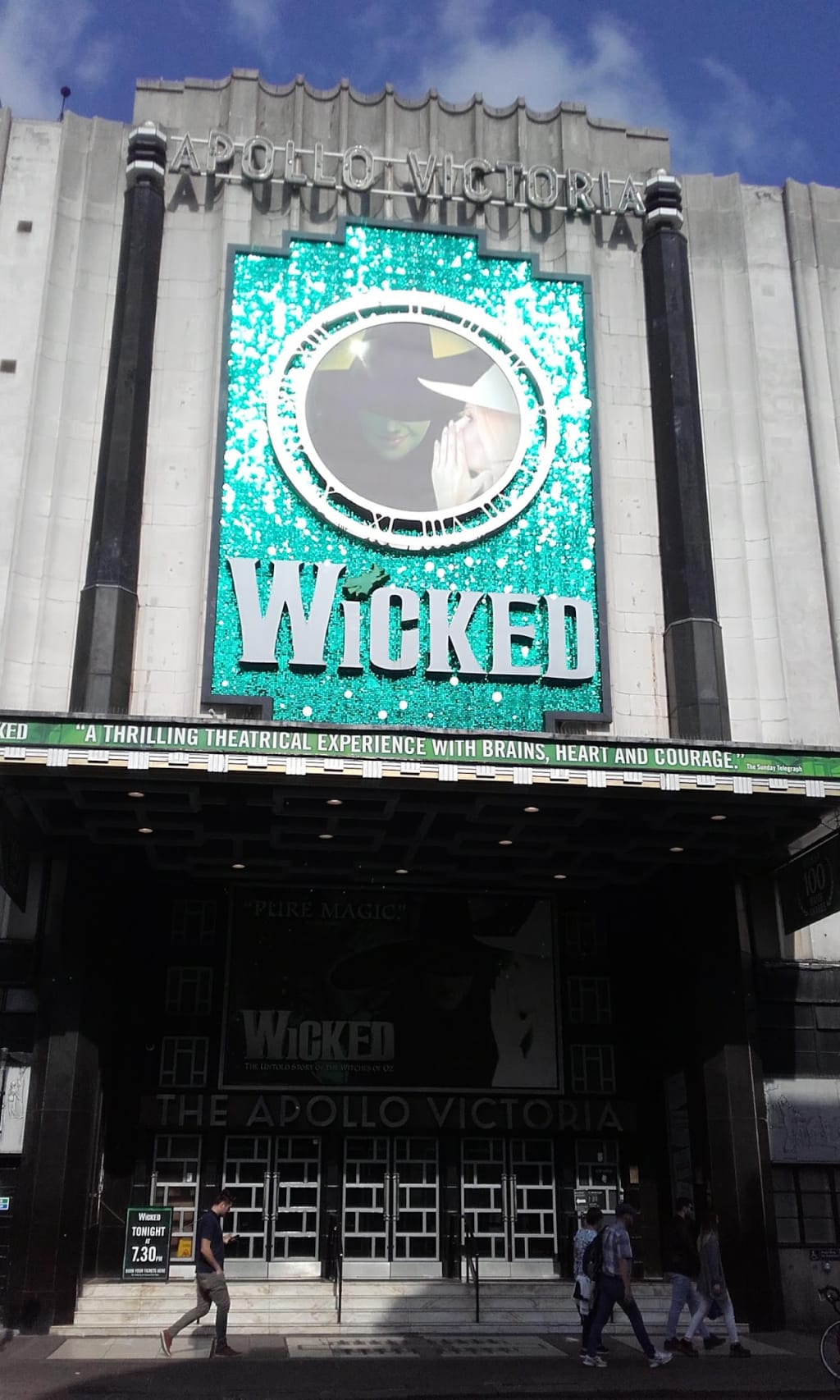
The West End continues to recover post-COVID, with packed houses for hits like Wicked and new shows drawing diverse audiences. Recent trends include more inclusive casting and adaptations of films like Mean Girls or Back to the Future.

Parting Comments
One of my family members got discounted tickets post-COVID, so I was spoiled. I was able to attend plenty of shows for a fraction of the cost. Now, they don’t have this discount, and I have to pay big bucks for tickets.
It means I don’t tend to go as often because it can be very pricey, especially if you want to see big blockbuster shows. However, I do go to fringe theatre, usually away from the West End hot spots.

If you’re in London and want to catch a good show, check out ‘What's On Stage’ for the latest offerings.
If you enjoyed reading this article and want to support my work, you can now buy me a coffee ☕️.
https://www.buymeacoffee.com/TabbyLondon
Thank you for your attention.
Best wishes
Tabby
About the Creator
Tabby London
The London I've been discovering is usually off the well-beaten track.I love the nooks and crannies and walking along the streets steeped in centuries worth of history. I'm fond of Zone 1 because that's where it all began centuries ago.
Keep reading
More stories from Tabby London and writers in Wander and other communities.
A Texas Homecoming
Greetings, Vocal readers and subscribers! Recently, I had the opportunity to visit a familiar place that I haven't been to in almost 15 years. I've expressed my love for my hometown of Arlington, Texas in numerous stories on Vocal. Fow two days, it was my time to do some sight-seeing and nothing more. This long overdue vacation was solely about me, not about visiting family, as I've been estranged from them since 2011. I'll share a collage of pictures from my two-day stay in Arlington throughout this story. Just for reference, I took over 200 photos, so not every one of them will be featured.
By Mark Wesley Pritchard 5 days ago in Wander


Comments (1)
beautiful