
The Ultimate Himalayan Experience: An Adventurer's Guide to the Everest Three Passes Trek
Everest Three Passes Trek

The Everest Three Passes Trek is the perfect combination of breathtaking natural beauty and the highest level of trekking difficulty. This book will explain why this trek is an adventure of a lifetime and how to get ready for the trip of a lifetime.
An Overview of the Three Passes Trek on Everest
The Everest Three Passes Trek is a remarkable path that leads hikers via three significant high-altitude mountain passes: Kongma La (5,535 m), Cho La (5,420 m), and Renjo La (5,360 m). It also offers the famous vistas of Everest. This journey, which lasts for about 20 to 21 days, is one of the most extensive in the area because it blends stunning scenery, lively Sherpa culture, and difficult terrain.
The Everest Three Passes Trek: Why Choose It?
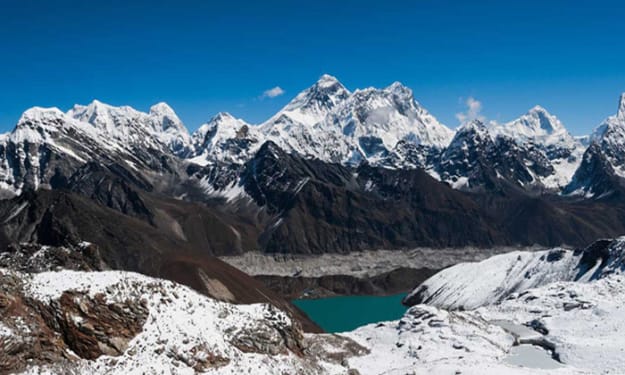
The Three Passes Trek provides a more isolated and diverse experience, even though many hikers choose the classic Everest Base Camp route. Adventurers can visit nearby peaks including Lhotse, Makalu, and Cho Oyu in addition to Everest by finishing this circuit. It also provides expansive views from Kala Patthar and Gokyo Ri, two well-known viewpoints with unmatched views of Everest and the surrounding mountains.
Important Points
Three High Passes: This walk is distinguished by the Kongma La, Cho La, and Renjo La passes, each of which offers a different combination of views and difficulties.
Beautiful Valleys and Lakes: This road offers a constant fusion of nature and culture, from the charming Gokyo Lakes to the valleys peppered with traditional villages.
Immersion in Culture: The journey travels via a number of Sherpa settlements, where travelers can enjoy their kind hospitality and see Tibetan Buddhist customs at monasteries like as Tengboche.
Getting Ready for the Journey
Physical Training: Given its strenuous nature, proper training is crucial. You should incorporate cardiovascular endurance, leg strength, and core stability workouts into your program for three to six months before your trip.
Acclimatization: Due to the trek's high elevation, acclimatization is essential. To aid with your body's adaptation, it is advised to include rest days in the itinerary, such as in Namche Bazaar and Dingboche.
Essentials of Packing
Layered, warm clothes that can withstand below-freezing weather.
sturdy hiking boots with outstanding traction.
cold-weather-rated sleeping bag.
Water purification tablets, a first aid kit, and trekking poles.
The Ideal Time to Go Trekking
Pre-monsoon (March to May) and post-monsoon (late September to November) are the best times of year to complete the Everest Three Passes Trek. The weather is comparatively consistent during these times, with bright sky that provide breathtaking views of the mountains.
Difficulties and Safety Advice
Steep ascents, erratic weather, and the potential for altitude sickness are all part of the Three Passes experience. It's critical to keep a careful eye on your health and pay attention to any symptoms of altitude sickness, such as headaches, nausea, or dizziness. Serious problems can be avoided in large part by moving slowly and staying properly hydrated.
In conclusion
More than just a hike, the Everest Three Passes Trek is a journey that challenges both mental and physical stamina while providing some of the most breathtaking vistas on earth. This walk offers an experience that will last long after the trip is over, provided that you prepare thoroughly and show respect for the altitude and culture of the area.
Plan carefully, show consideration for the mountains, and embark on a journey that will undoubtedly be an unforgettable experience.
About the Creator
Keep reading
More stories from bright vibes and writers in Wander and other communities.
The Ultimate High-Altitude Adventure: The Everest Three Passes Trek Guide
One of the hardest and most rewarding trips in the Himalayas is the Everest Three Passes Trek. By combining the traditional Everest Base Camp route with the ascent of three high-altitude passes—Kongma La (5,535m/18,159ft), Cho La (5,420m/17,782ft), and Renjo La (5,360m/17,585ft)—it provides the most thorough method to see the Everest region. Experienced hikers looking for a long adventure with stunning mountain vistas, isolated valleys, and cross-cultural interactions would love this walk.
By bright vibesabout a year ago in Wander
What I Learned Is Considered Disrespectful in Morocco by Morocco Family Vacation
Before visiting Morocco with my family, I read countless articles about customs, etiquette, and cultural differences. Still, I worried I’d make a mistake especially traveling as a mom with children who ask questions loudly, touch everything, and don’t always understand unspoken rules.
By Ariel Cohen3 days ago in Wander
Postcard from Castle Hill
Close your eyes and let the sea wind carry you. Hear the hush of tide through salt grass, the crunch of gravel beneath footfalls, and the low call of a distant bell. Before you unfurls a vision as layered as history itself: a rolling drumlin crowned by a Stuart-style mansion, its pale walls gleaming above a velvet lawn that tumbles half a mile toward the Atlantic—a landscape as finely composed as poetry and as resonant as legend. This is Castle Hill, the luminous core of the Crane Estate in Ipswich, Massachusetts, where stories—both spoken and unspoken—gather like morning mist over marsh.
By Kristen Barenthaler6 days ago in Wander
How to Succeed at the Benson Directory®
Congratulations and welcome to the Benson Directory® employee #22391! As our newest call handler, you will have the privilege of speaking with dozens of unique and interesting people on a daily basis as well as the opportunity to earn bonuses for high performance. Contained within this handbook you will find a set of ease to follow instructions designed to help you settle in to your new role and begin paving the way to success.
By S. A. Crawford5 days ago in Fiction



Comments
There are no comments for this story
Be the first to respond and start the conversation.