
The Ultimate Guide to the Annapurna Circuit Trek: Essential Tips, Itinerary, and Preparation
Explore the Majestic Annapurna Region: A Comprehensive Resource for Trekking Enthusiasts, Featuring Routes, Accommodations, and Expert Advice

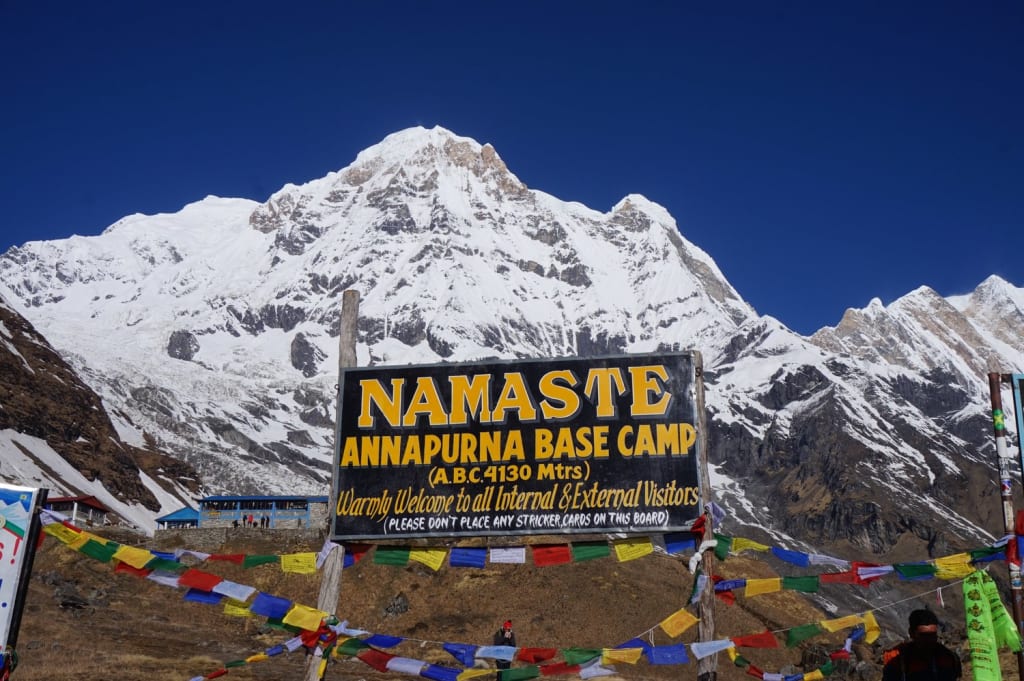
Annapurna Circuit Trek: The Ultimate Guide
Boundless Himalayas Trekking and Expedition
September 10, 2024
The Annapurna Circuit Trek is a legendary journey in the heart of Nepal, attracting adventurers from all corners of the globe. This trek not only showcases breathtaking landscapes but also provides an opportunity to experience the rich culture and traditions of the diverse communities that inhabit the region.
Overview of the Annapurna Circuit Trek
Distance: Approximately 160-230 km, depending on your starting and ending points.
Time: Generally takes 12-21 days to complete.
Difficulty: Ranges from moderate to challenging, with some steep ascents and high-altitude sections.
Max Elevation: The highest point, Thorong La Pass, stands at 5,416 meters (17,769 feet).
The trekking seasons in Nepal are primarily divided into two main periods:
Autumn (October to November): This is often considered the best time to trek. The weather is dry and stable, offering clear views of the majestic Himalayas. Daytime temperatures are pleasant, while nights can be chilly.
Spring (March to April): Another popular time for trekking, spring brings blooming rhododendrons and mild weather. However, there may be occasional rain, especially towards the end of April.
While the trek can technically be undertaken year-round, the monsoon season (June to September) is generally avoided due to heavy rainfall and potential landslides.
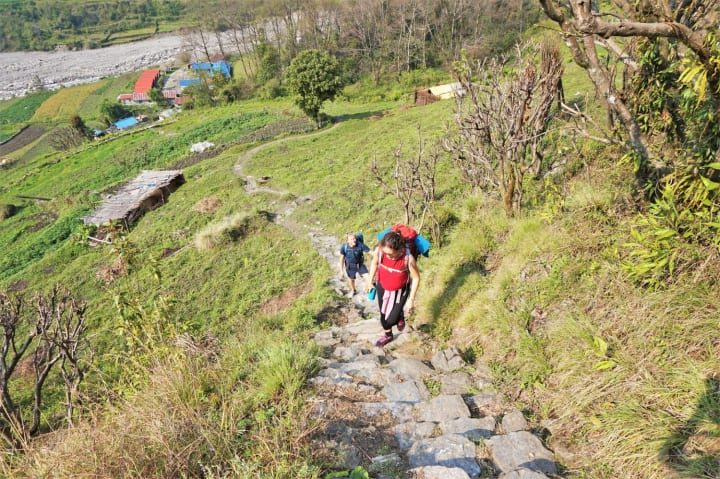
Getting There: Transportation Options
Arrival in Nepal: Most trekkers arrive in Kathmandu, the capital city. Tribhuvan International Airport connects with various international flights.
From Kathmandu to Pokhara: After exploring Kathmandu, most trekkers head to Pokhara, the gateway to the Annapurna region. Options include:
Bus: A budget-friendly option, taking around 6-8 hours.
Private Vehicle: Faster but more expensive, taking about 3-4 hours.
Domestic Flight: A quick option that takes about 25-30 minutes.
Trekking Permits
Before starting the trek, you must obtain two essential permits:
Annapurna Conservation Area Permit (ACAP): This permit allows you to trek within the Annapurna Conservation Area and helps fund conservation efforts.
Trekkers' Information Management System (TIMS) Card: This card is mandatory for all trekkers in the Annapurna region and helps the authorities keep track of trekkers for safety reasons.
Both permits can be acquired in Kathmandu or Pokhara. Expect to pay around NPR 3,000 for the ACAP and NPR 1,000 for the TIMS card. Bring several passport-sized photos for the application process.
Preparing for the Trek
Physical Preparation: The Annapurna Circuit is a challenging trek, especially at higher altitudes. It's advisable to prepare physically by engaging in regular cardiovascular exercises such as hiking, running, or cycling. Aim for at least a few months of training to build stamina.
Gear Checklist: Having the right gear can make your trek much more enjoyable. Here’s a comprehensive list of items to consider:
Clothing
Base Layers: Moisture-wicking shirts and thermal leggings.
Insulating Layers: Fleece or down jackets.
Outer Layers: Waterproof and windproof jackets and pants.
Trekking Pants: Quick-drying and durable.
Hat and Gloves: Warm beanie and gloves for colder elevations.
Footwear
Trekking Boots: Sturdy, waterproof boots with good ankle support.
Camp Shoes: Lightweight sandals or shoes for relaxing at teahouses.
Sleeping Gear
Sleeping Bag: Rated for sub-zero temperatures, especially for higher altitudes.
Sleeping Bag Liner: To keep your sleeping bag clean and add warmth.
Trekking Equipment
Backpack: A comfortable, adjustable backpack (40-60L).
Trekking Poles: Helpful for stability on steep paths.
Water Bottle: Reusable, ideally with a filter.
Water Purification System: UV sterilizer or iodine tablets.
First Aid and Hygiene
First Aid Kit: Basic supplies including band-aids, antiseptic wipes, and pain relievers.
Personal Hygiene Items: Biodegradable soap, toothbrush, and toothpaste.
Daily Itinerary Overview
The Annapurna Circuit can be tailored to your pace and interests, but here’s a sample itinerary covering key points of the trek:
Day 1: Arrival in Kathmandu
Activities: Explore Thamel, visit Durbar Square, or enjoy a traditional Nepali meal.
Accommodation: Guesthouse in Kathmandu.
Day 2: Kathmandu to Besisahar
Travel: Take a bus or private vehicle to Besisahar (6-8 hours).
Accommodation: Local guesthouse.
Day 3: Besisahar to Bahundanda
Trek: Start your trek along the Marsyangdi River, through lush forests and terraced fields (4-5 hours).
Accommodation: Teahouse in Bahundanda.
Day 4: Bahundanda to Jagat
Trek: Continue through charming villages and rugged terrain (5-6 hours).
Accommodation: Teahouse in Jagat.
Day 5: Jagat to Chamje
Trek: A steep descent leads to the Marsyangdi River and up to Chamje (5 hours).
Accommodation: Teahouse in Chamje.
Day 6: Chamje to Bagarchap
Trek: A mix of steep climbs and pleasant walking (6-7 hours).
Accommodation: Teahouse in Bagarchap.
Day 7: Bagarchap to Chame
Trek: Continue through pine forests with spectacular views of the Annapurna range (5-6 hours).
Accommodation: Teahouse in Chame.
Day 8: Chame to Pisang
Trek: Follow the trail with stunning vistas of the Annapurna massif (5-6 hours).
Accommodation: Teahouse in Pisang.
Day 9: Pisang to Manang
Trek: Ascend to Manang, enjoying breathtaking landscapes (6-7 hours).
Accommodation: Teahouse in Manang.
Day 10: Acclimatization Day in Manang
Activities: Explore the area, visit the monastery, and take short hikes to help acclimatize.
Day 11: Manang to Yak Kharka
Trek: Gradually gain altitude towards Yak Kharka (5-6 hours).
Accommodation: Teahouse in Yak Kharka.
Day 12: Yak Kharka to Thorong Phedi
Trek: Steep ascent to Thorong Phedi, the base for Thorong La Pass (4-5 hours).
Accommodation: Teahouse in Thorong Phedi.
Day 13: Thorong Phedi to Thorong La Pass to Muktinath
Trek: Early morning ascent to the Thorong La Pass (5,416 meters) and descend to Muktinath (8-10 hours).
Accommodation: Teahouse in Muktinath.
Day 14: Muktinath to Jomsom
Trek: A gentle descent towards Jomsom (6-7 hours).
Accommodation: Teahouse in Jomsom.
Day 15: Jomsom to Pokhara
Travel: Fly or take a jeep back to Pokhara (30-minute flight or 8-hour drive).
Accommodation: Guesthouse in Pokhara.
Day 16: Explore Pokhara
Activities: Visit Phewa Lake, explore caves, or relax at a café.
Accommodation: Guesthouse in Pokhara.
Day 17: Pokhara to Kathmandu
Travel: Return to Kathmandu by bus or flight.
Accommodation: Guesthouse in Kathmandu.
Day 18: Departure
Activities: Last-minute shopping or sightseeing before departing Nepal.
Accommodation Along the Trek
Accommodation on the Annapurna Circuit primarily consists of teahouses, which provide basic but comfortable lodging. Here’s what to expect:
Room Type: Rooms vary from doubles to dormitory-style. Most have thin mattresses, pillows, and warm blankets.
Facilities: Hot water is available for a fee, and many teahouses offer WiFi, albeit at a cost. Charging facilities for electronic devices may also be available.
Meals: Teahouses serve a range of meals, mostly Nepali and international cuisine. It's common to have dal bhat, noodles, and soups.
Food on the Annapurna Circuit
Food on the trek is generally hearty and filling, designed to sustain trekkers during their journey. Common meal options include:
Dal Bhat: A traditional meal of rice, lentil soup, and vegetable curry, often with unlimited refills.
Noodles: Fried or soup-based noodles are popular choices.
Western Options: Some teahouses serve pizza, pasta, and other international dishes, though prices may increase with altitude.
Snacks: It’s advisable to carry some snacks such as granola bars, nuts, or dried fruits for energy on the trail.
Acclimatization Tips
Acclimatization is crucial to prevent altitude sickness. Here are some tips:
Gradual Ascent: Ascend slowly and allow your body time to adjust to the altitude. The general rule is to not ascend more than 300-500 meters per day above 3,000 meters.
Stay Hydrated: Drink plenty of water (at least 3-4 liters per day) to help acclimatize and avoid dehydration.
Listen to Your Body: Pay attention to symptoms of altitude sickness, such as headaches, nausea, or dizziness. If symptoms persist, descend immediately.
Take Rest Days: Consider spending an extra day in Manang for acclimatization. Short hikes around the area can aid the acclimatization process.
Altitude Sickness: What to Look Out For
Altitude sickness, or acute mountain sickness (AMS), can occur at high elevations. Symptoms may include:
Headaches
Nausea or vomiting
Fatigue
Loss of appetite
Difficulty sleeping
If you experience any of these symptoms, descend to a lower altitude and seek medical attention if necessary.
Tips for a Successful Trek
Stay Flexible: Weather conditions can change rapidly in the Himalayas, so be prepared to adjust your plans.
Pack Light: Carry only the essentials. A lighter backpack makes trekking easier.
Be Respectful: Observe local customs and be respectful to the communities you pass through.
Learn Basic Nepali: Knowing a few phrases can enhance interactions with locals and show respect for their culture.
Conclusion
The Annapurna Circuit Trek is not just a physical challenge; it’s an opportunity to immerse yourself in one of the most beautiful landscapes on Earth. With careful preparation, a spirit of adventure, and respect for the local culture, you’ll create memories that last a lifetime. Whether you're navigating rugged trails, bonding with fellow trekkers, or soaking in the serene beauty of the Himalayas, this trek promises an experience like no other. Happy trekking!
This guide offers a comprehensive overview of the Annapurna Circuit Trek, covering essential aspects for preparation and execution. If you need more details or specific sections expanded, feel free to ask!
About the Creator
bikash khanal
"Passionate traveler with a thirst for adventure and a love for discovering new cultures and landscapes. From scaling mountain peaks to exploring hidden gems around the globe.
Keep reading
More stories from bikash khanal and writers in Wander and other communities.
Finding Romance in the Annapurna Region: A Journey Together
The Annapurna region of Nepal is a land of breathtaking beauty, rich culture, and adventure—making it an ideal backdrop for romantic connections. Imagine trekking through lush forests, climbing steep mountain paths, and discovering quaint villages together. As you explore this stunning landscape, you’ll not only find adventure but also the opportunity to deepen your bond with the one you’re with. Here’s how you can cultivate romance on your journey through Annapurna.
By bikash khanalabout a year ago in Wander


Comments
There are no comments for this story
Be the first to respond and start the conversation.