
The Simple Side of Singapore & A Celebration of Diversity
What really lies in the heart of the tiny nation that has been popularized as being "crazy rich"



Glitz, glamour, luxury. This image of Singapore has been popularized by the movie Crazy Rich Asians, a romantic comedy that showcased the lifestyle of the rich in Singapore. A search on Unsplash or other image sites displays the splendour of the island-nation’s city centre, with its glass buildings and dazzling night view. But what really lies underneath all the bling in the heart of Singapore?
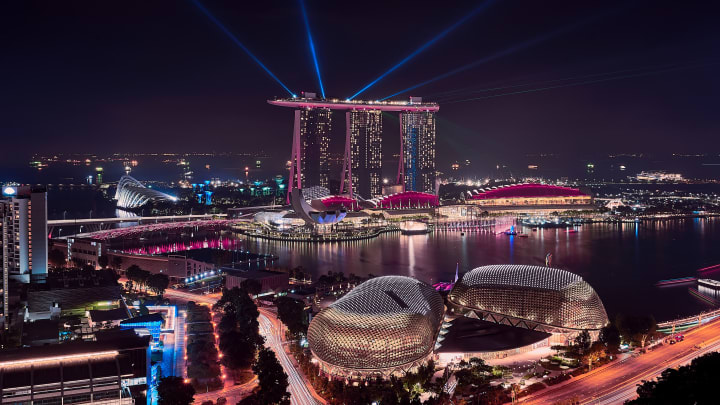
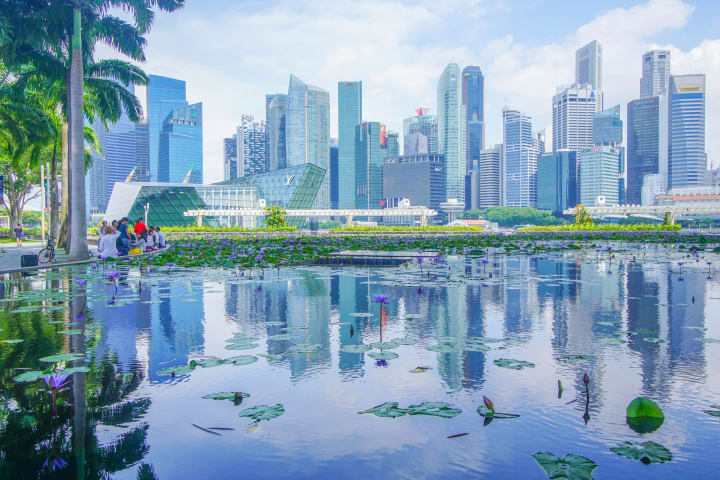
A strict and expensive country? Not if you know where to look
I moved to Vancouver, Canada five years ago, and the most common things that my Canadian friends comment about Singapore are the high cost of living and the strict governance. "I hear you get arrested for littering," they say. No, I haven't personally seen anyone get arrested for that, but please don't try it anyway! To add onto this impression, if you explore tourist areas in Singapore, you will see T-shirts sold as souvenirs declaring that “Singapore is A Fine City”, with big red “No” icons of what you cannot do. No spitting, fine $100. No littering, fine $1000. No durians (in public transport), fine $500. Why? The fragrant smell (or pungent smell, depending on who you talk to) can linger in enclosed areas for a long, long time.
Rather than a restriction of freedom though, the stringent laws give people security and peace of mind. When I was a student, it was the norm for my friends and I to leave our bags, containing our laptops, unattended on seats in public food courts while we went to buy food. We really should have been more careful with it, as thieves do exist. However, we felt safe enough to leave our belongings behind anyway, as few dare to mess with the law.
As for the high cost of living, most Singaporeans live humble lives and enjoy the same things as most everyone else. Because of our limited land space, certain things like cars and private housing are indeed very expensive. But Singapore's public transport is accessible, and its public housing prices are not ridiculously extravagant. Daily essentials don’t have to cost a lot too. In the neighbourhood areas, a meal in a food court costs only about US$3, half the cheapest price that you can find in Vancouver.

Summer beach vacation? Anytime!
Singapore is a tropical country surrounded by the sea, so we can enjoy beaches all year round (as long as it isn’t raining). As a child, I could never understand why beaches in books and movies were portrayed as such ideal vacation destinations, especially with summer flings and romances. It was only when I moved to Canada that I realized why - in temperate countries, you can only enjoy the beach during the few months of summer! Whereas from anywhere in Singapore, the longest time you would ever need to wait to go to the beach is a mere 45 minutes of travel time.

Our beaches are at once a hub of activity and yet not too overcrowded; you can always find a sizable picnic spot for your group, and still have space to play frisbee, or other ball games on the soft sand.

Pockets of nature in the urban city
When we think of high density cities, we tend to conjure images in our minds of concrete jungles that are devoid of greenery. However, Singapore manages to conserve swathes of nature among its buildings. Tall trees, moss-covered old structures, together with man-made terraces make for perfect photo spots. My then-fiancé (now husband) and myself went on urban adventures to discover some of these spaces, and took some themed selfies for our wedding.


It was just the two of us and our totally-non-professional camera, with no photographer involved. If I were to be perfectly honest, dressing up in themed clothes and suffering through Singapore’s hot and humid weather for hours wasn’t the most pleasant experience. On top of that, we were stared at curiously by people doing their morning exercises in the parks. By the end of the day of our shoot, I counted over thirty itchy mosquito bites on my legs. But the memories and photos gained were priceless!

Multiculturalism and public housing
At its heart, a home is about its people. The most unique thing that I love about Singapore is its flavour of multiracialism. During the early days of Singapore’s independence, there had been racial riots that created unrest. The government recognized that division among races was detrimental to the nation's safety and growth, and introduced policies that would bring the races together. The first lines of the national pledge reads “We, the citizens of Singapore, pledge ourselves as one united people, regardless of race, language or religion.”
One of the most significant ways this is implemented is through the ethnic integration policy, which sets a quota for the numbers of people of each race living in a public housing block of flats (apartments). It is mandatory for each block to have a mix of races, as well as on each floor of the block. 80% of Singaporeans live in these flats, which allows residents of different ethnicities to live together and interact on a regular basis.


On Lunar New Year, Hari Raya, Deepavali and Christmas, my neighbours and my family would spend an afternoon together to pretty up our common corridor with colourful decorations for the occasion. Our Malay and Indian neighbours would come to our door and gift us ethnic goodies, and we return the favour with Chinese pastries. Instead of shying away from other customs, we learn to understand and embrace each other’s differences, and celebrate them.

Community events are commonly held to bring neighbours together. There are also community gardens, exercise groups, and activity groups organized both but the government, and by ordinary members of the community. This neighbourly spirit is an extension of Singapore’s past heritage, when people lived in wooden attap houses in ‘kampungs’ (villages). It was not uncommon for people to readily offer their neighbours food, help and support, and many even trusted their neighbours enough that they slept with their doors open at night. Those days are over as people in kampungs have been relocated into flats, but the ‘kampung spirit’ is something we still treasure and keep alive.

A parade to celebrate the heritage of races
A colourful festival for the celebration of diversity happens every year during the Lunar New Year - the annual Chingay parade. Dance groups, martial arts groups, schools and music clubs all over the nation come together to put on a spectacular show, complete with dazzling floats and exciting stunts. Performers spend months getting ready for the show, and don costumes that carry the flavour and tradition of the races in Singapore - Chinese, Malay, Indian, Eurasion.


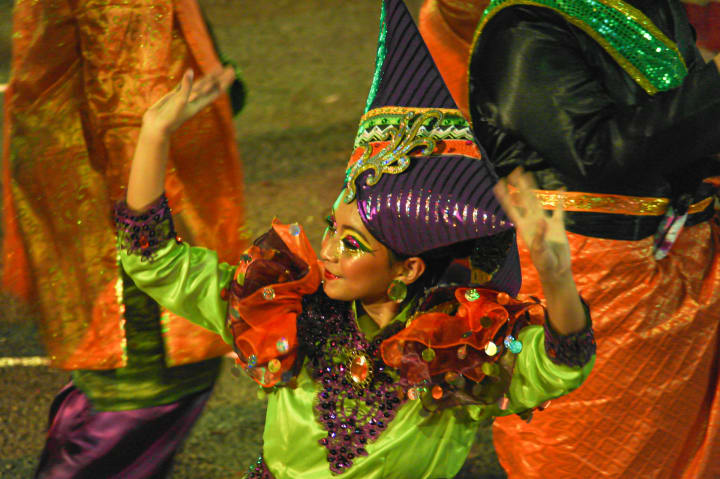
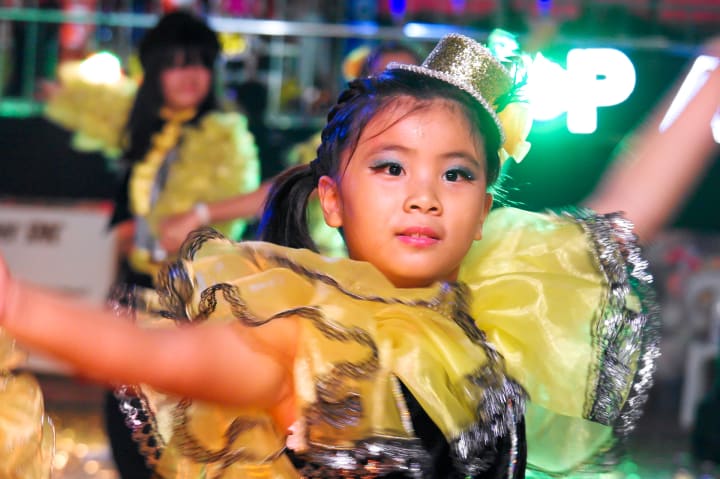
The Chingay parade was originally meant to compensate for a ban on firecrackers in the 1970s, a customary Chinese New Year practice to drive away evil spirits during midnight of the new year. However, the practice was banned as the firecrackers were both dangerous and noisy. The Chingay parade was meant to be a replacement to retain the celebratory spirit of the coming of the new year. It has since evolved into an event that captures the essence of Singapore’s multicultural identity.
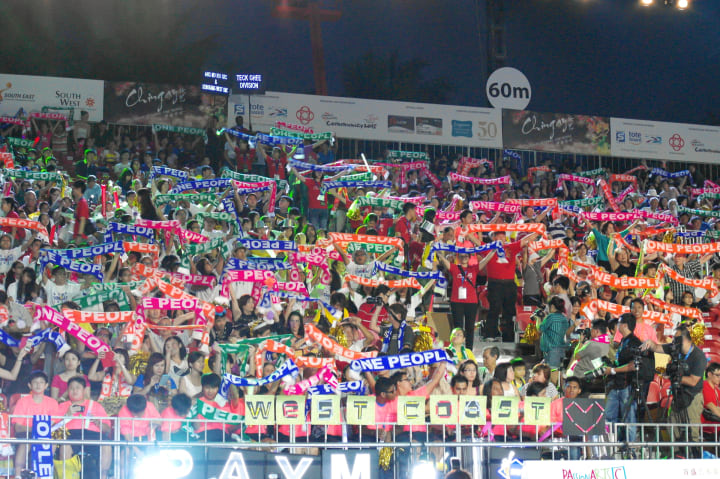
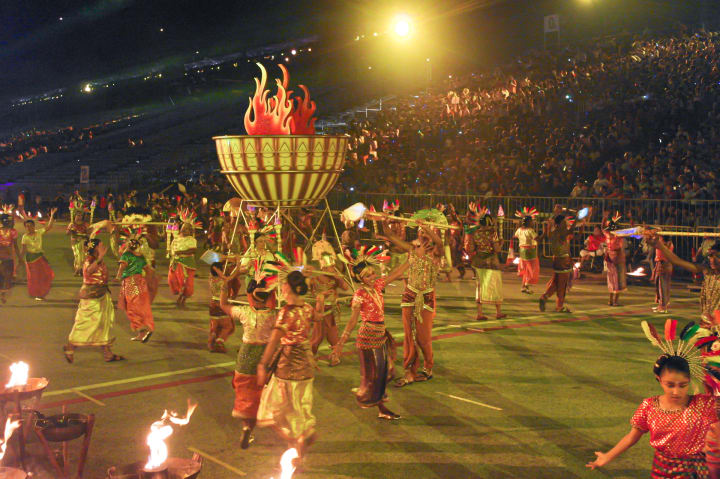


Besides being a showcase, it is also a platform for performers to make new friends. Dance and music groups, martial arts groups and students from different schools come together for the rehearsals. There are also opportunities for the general public to participate in the show by learning a simple instrument. I was involved in teaching the ukulele to members of the public for the 2013 Chingay parade, and teaching the tambourine for the 2015 parade. It was heartwarming to see the participants enjoying themselves. Some of them even bringing their new hobby further after the parade, setting up their own groups to continue playing music together with their new friends.

This is my hometown of Singapore, a country that is frequently shown in media as an efficient, strict, and pragmatic country. However, beneath its pristine exterior lies a nation of people with passion, deep culture, and harmony in diversity. Life is not about how rich we are in material wealth after all, but about how rich we are in our relationships and interactions.
About the Creator
Jessi H.
I love sharing and spreading knowledge. I use words to explore my thoughts and the world. Or to create one.
Worth the Wait: Puerto Viejo, Costa Rica
Beach bumming in a small Caribbean beach town sounded like a perfect way to end our 6-month trip through Mexico and Central America. Or so we thought. The foul, fishy stench of rotten seaweed hit our nostrils as we stepped from the cramped bus and looked out at a rather depressing, empty, and underwhelming black sand beach. It was pouring with rain, and we had to quickly fish out our ponchos. We thought, this couldn’t be it, could it?
By Sh*t Happens - Lost Girl Travel10 days ago in Wander
Why a Dubai Desert Safari Is a Must-Do Experience for First-Time Visitors
Dubai screams luxury, with a skyline packed with gleaming towers, headline-making architecture, and entertainment and shopping centres that feel almost unreal. Everything is polished, bright, and designed to impress. But step away from the glitz and the glamour, and you hit Dubai’s older side. Out in the Arabian desert, the pace shifts. The landscape is ancient, the traditions run deep, and the whole experience feels like a window into what this emirate really is beneath the shine. Plenty of travellers have crossed these sands before you. Now it is your turn.
By ameliarosanna3 days ago in Wander


Comments
There are no comments for this story
Be the first to respond and start the conversation.