
The Royal Palace of Madrid: A Glimpse into Spanish Royalty
The Royal Palace of Madrid, also known as Palacio Real, stands as one of the most iconic and historically significant landmarks in Spain.

As the official residence of the Spanish Royal Family, though now only used for state ceremonies, it is a symbol of Spain's rich heritage and grandeur. Situated in the heart of Madrid, this majestic palace offers visitors a fascinating journey through centuries of Spanish history, art, and architecture.
A Historical Overview
The Royal Palace of Madrid's history dates back to the 9th century when the site was originally occupied by a Moorish fortress. Following the Christian reconquest of Madrid in the 11th century, the fortress became a royal residence for Spanish monarchs. However, the structure that exists today was commissioned by King Philip V in the 18th century after the original Alcázar was destroyed by fire on Christmas Eve in 1734.
The construction of the new palace began in 1738 under the guidance of Italian architects Filippo Juvarra and Giovanni Battista Sacchetti. Inspired by the grandeur of the Palace of Versailles, the Royal Palace of Madrid was designed to reflect the power and prestige of the Spanish monarchy. The construction took several decades to complete, with King Charles III being the first monarch to reside in the palace in 1764.
Architectural Marvel
The Royal Palace of Madrid is an architectural masterpiece that seamlessly blends various styles, including Baroque and Neoclassical elements. The palace covers an area of approximately 135,000 square meters, making it one of the largest royal palaces in Europe. It boasts over 3,400 rooms, each adorned with exquisite decorations, intricate frescoes, and opulent furnishings.
The exterior of the palace is characterized by its grand facade, featuring columns, pilasters, and ornamental sculptures. The main entrance, known as the "Plaza de la Armería," leads visitors into the central courtyard, where they can admire the palace's impressive proportions and design.
One of the most striking features of the palace is the grand staircase, designed by Francesco Sabatini. This monumental staircase is made of a single piece of San Agustin marble and leads to the upper floors of the palace, where the royal apartments and state rooms are located.
Art and Interiors
The Royal Palace of Madrid is not only an architectural gem but also a treasure trove of art and culture. The palace's interiors are adorned with masterpieces by renowned artists such as Goya, Velázquez, and Caravaggio. Visitors can explore the various state rooms, each with its own unique charm and historical significance.
The Throne Room, also known as the "Salón del Trono," is one of the most famous rooms in the palace. It is decorated with luxurious red velvet, gilded accents, and intricate chandeliers. The room houses the thrones of the King and Queen of Spain, and its walls are adorned with portraits of Spanish monarchs throughout history.
Another highlight is the Royal Chapel, which features stunning frescoes by Corrado Giaquinto and a magnificent altarpiece by Anton Raphael Mengs. The chapel is a testament to the deep religious faith of the Spanish monarchy and is still used for important religious ceremonies.
The Hall of Mirrors, inspired by its counterpart in the Palace of Versailles, is another must-see. This opulent room is adorned with crystal chandeliers, gilded mirrors, and intricate ceiling frescoes. It served as a venue for grand receptions and state banquets, reflecting the splendor of the Spanish court.
The Royal Armoury, located within the palace, is one of the most important collections of its kind in the world. It houses a vast array of weapons, armor, and ceremonial objects used by Spanish monarchs over the centuries. The collection includes pieces dating back to the 13th century, offering a fascinating glimpse into the military history of Spain.
Gardens and Surroundings
The Royal Palace of Madrid is surrounded by beautiful gardens that provide a peaceful retreat from the bustling city. The Sabatini Gardens, located to the north of the palace, were designed in the 1930s and offer a perfect blend of geometric precision and natural beauty. The gardens feature neatly trimmed hedges, ornamental fountains, and statues, making them an ideal spot for a leisurely stroll.
To the east of the palace lies the Campo del Moro, a vast park that offers stunning views of the palace's facade. This park is named after the Moorish camp that once stood in this area during the Muslim occupation of Madrid. Today, it is a tranquil space where visitors can relax and enjoy the lush greenery.
Another notable feature of the palace's surroundings is the Almudena Cathedral, located adjacent to the Royal Palace. This grand cathedral was completed in 1993 and serves as the seat of the Archbishop of Madrid. Its neoclassical exterior and modern interior create a striking contrast, making it a popular destination for tourists and pilgrims alike.
The Royal Palace Today
While the Royal Palace of Madrid is no longer the primary residence of the Spanish Royal Family, it remains an important symbol of the monarchy and the nation's history. Today, the palace is open to the public, allowing visitors to explore its grand halls, opulent rooms, and extensive art collections.
The palace also hosts various state events, including official receptions, banquets, and ceremonies. One of the most significant events held at the palace is the annual celebration of Spain's National Day on October 12th, during which the King of Spain presides over a military parade in the Plaza de la Armería.
In addition to its historical and cultural significance, the Royal Palace of Madrid continues to play a vital role in Spain's diplomatic and ceremonial functions. It stands as a testament to the enduring legacy of the Spanish monarchy and offers visitors a unique opportunity to experience the grandeur of Spain's royal heritage.
About the Creator
Worth the Wait: Puerto Viejo, Costa Rica
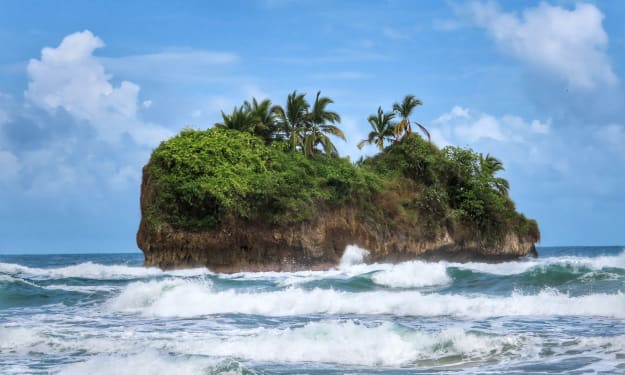
Beach bumming in a small Caribbean beach town sounded like a perfect way to end our 6-month trip through Mexico and Central America. Or so we thought. The foul, fishy stench of rotten seaweed hit our nostrils as we stepped from the cramped bus and looked out at a rather depressing, empty, and underwhelming black sand beach. It was pouring with rain, and we had to quickly fish out our ponchos. We thought, this couldn’t be it, could it?
By Sh*t Happens - Lost Girl Travel10 days ago in Wander
Moscow at Midnight: Stories Hidden in Russia’s Quiet Streets
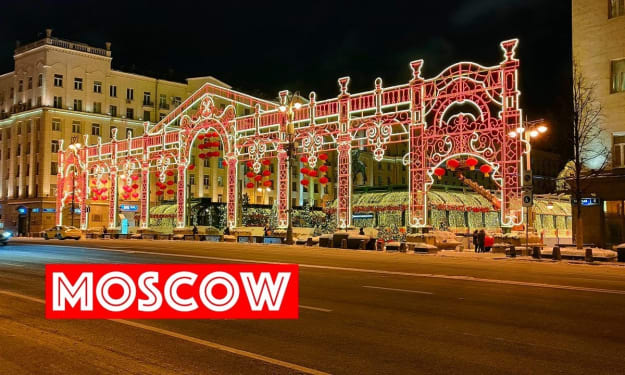
Cities often reveal their true character after sunset. The noise softens, crowds fade, and ordinary streets begin to feel different. Moscow is one of those cities that changes completely when night arrives. During the day, it moves with purpose. Cars rush through wide roads, people hurry between offices, and tourists fill historic squares. But late at night, the atmosphere becomes slower and more reflective. Streetlights glow over old buildings, quiet parks hold memories of past centuries, and the city feels both peaceful and mysterious. Many people imagine Moscow as powerful and serious, yet it also holds moments of silence, beauty, and personal stories. To understand Moscow fully, one must look beyond headlines and explore the emotions hidden within its streets.
By Muqadas khan2 days ago in Wander


Comments
There are no comments for this story
Be the first to respond and start the conversation.