
The Root Cause of Israel Palestine Conflict.
The Israel-Palestine Conflict: A Complex and Divisive Issue
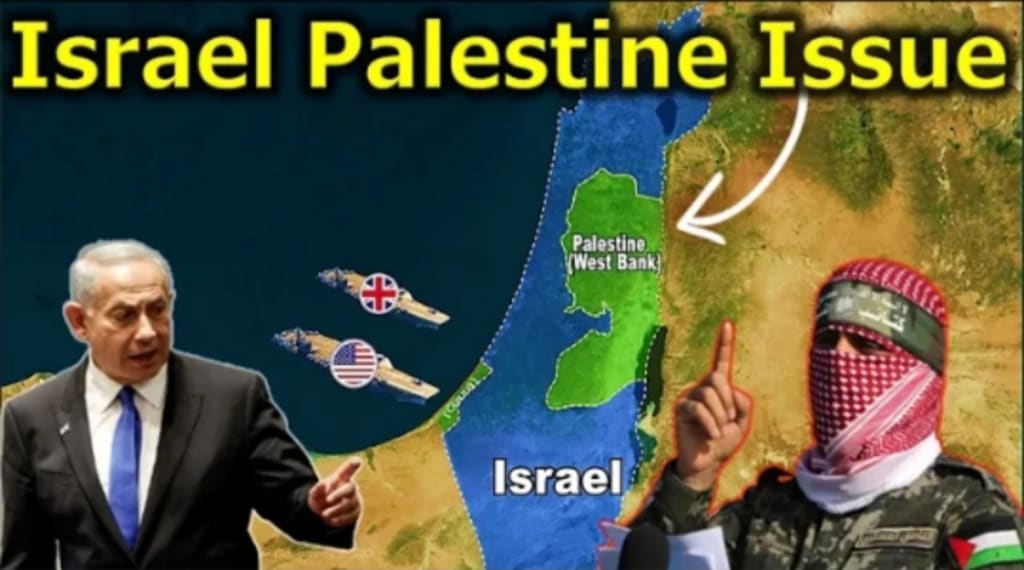
The Israel-Palestine conflict has been a longstanding and contentious issue, with roots dating back to the early 20th century. Contrary to popular belief, the conflict is not solely driven by religious differences between Islam and Judaism, but rather by a complex web of historical, political, and territorial factors.
*Historical Background*
Prior to the 20th century, the region, then under Ottoman Empire control, was inhabited by Muslims, Christians, and Jews, living relatively peacefully. However, with the rise of Zionism, a movement seeking a Jewish homeland, and Arab nationalism, tensions began to escalate. The British Empire's involvement in the region, particularly after World War I, further complicated the situation.
*The British Mandate and Partition Plan*
In 1922, the British Mandate for Palestine was established, allowing Jewish immigration and settlement. This led to growing tensions between Arab Palestinians and Jewish settlers. The 1947 United Nations Partition Plan divided Palestine into Jewish and Arab states, with Jerusalem under international administration. While Jews accepted the plan, Arab states rejected it, leading to the 1948 Arab-Israeli War.
*Conflict and Displacement*
The war resulted in Israel's establishment and the displacement of hundreds of thousands of Palestinians, known as the Nakba or "catastrophe" in Arabic. Subsequent conflicts, including the 1967 Six-Day War and 1973 Yom Kippur War, further entrenched Israeli control over Palestinian territories.
*Peace Efforts and Failures*
Various peace initiatives, such as the 1993 Oslo Accords and 1978 Camp David Accords, have been met with resistance from hardline groups on both sides. The rise of Hamas, which rejects Israel's existence, has further complicated peace efforts.
*Current Situation*
Today, Gaza is often described as the world's largest open-air prison, with severe restrictions on movement and economic activity. The humanitarian crisis has sparked international concern, with many criticizing Israel's actions as disproportionate.
*Why Arab Countries Don't Intervene*
Three key reasons explain the limited support from Arab countries:
1. *Iran's influence*: Hamas's ties to Shia Iran create unease among Sunni Arab states.
2. *Hamas's hardline stance*: Arab countries are wary of Hamas's refusal to negotiate with Israel.
3. *Military and economic realities*: Arab states recognize their limitations in confronting Israel's military might and prioritize economic interests.
*Conclusion*
The Israel-Palestine conflict is a complex, multifaceted issue, driven by historical, political, and territorial factors. Emotional brainwashing and point-scoring must give way to a humanitarian approach, prioritizing the protection of innocent lives on both sides. The international community must work towards a just and lasting resolution, addressing the root causes of this enduring conflict.
About the Creator
Keep reading
More stories from Abira Sahi and writers in Wander and other communities.
This is the Most Powerful and Richest Arab Country on Earth
Abu Dhabi, the capital of the United Arab Emirates, stands as one of the wealthiest and most powerful cities in the world. When people think of the UAE, Dubai often comes to mind with its towering skyscrapers, luxurious hotels, and upscale resorts. However, while Dubai may be the UAE’s most famous city, Abu Dhabi is its political and economic powerhouse, known for its leadership, history, and vast oil reserves.
By Abira Sahiabout a year ago in Wander
Worth the Wait: Puerto Viejo, Costa Rica
Beach bumming in a small Caribbean beach town sounded like a perfect way to end our 6-month trip through Mexico and Central America. Or so we thought. The foul, fishy stench of rotten seaweed hit our nostrils as we stepped from the cramped bus and looked out at a rather depressing, empty, and underwhelming black sand beach. It was pouring with rain, and we had to quickly fish out our ponchos. We thought, this couldn’t be it, could it?
By Sh*t Happens - Lost Girl Travel9 days ago in Wander
Danish Royals Frederik and Mary Begin Six-Day Australia Tour with Visit to Rain-Soaked Red Centre
Denmark’s Crown Prince Frederik, Crown Prince of Denmark and Crown Princess Mary, Crown Princess of Denmark have commenced a six-day official tour of Australia, beginning with a visit to the country’s iconic red centre amid unusually heavy rains that have transformed the arid landscape into lush, vibrant scenery. The trip marks an important cultural and diplomatic engagement for the Danish royals, emphasizing Indigenous heritage, environmental awareness, and strengthened bilateral relations. The tour opened in Alice Springs, a central hub in the Northern Territory, where the royals were greeted by local officials, Indigenous elders, and members of the Danish-Australian community. Despite the rain-soaked conditions, the Crown Prince and Princess embraced the opportunity to explore the region’s unique landscape and connect with its people. During their first day, Frederik and Mary visited the Alice Springs Desert Park, where they were briefed on conservation efforts and the impact of climate variability on local ecosystems. Staff highlighted the role of the park in preserving native flora and fauna, as well as cultural programs that educate visitors on the traditions and stories of the local Indigenous communities. The royals also attended a traditional welcome ceremony organized by Arrernte elders, one of the region’s prominent Indigenous groups. The ceremony included storytelling, song, and dance, giving Frederik and Mary insight into the rich heritage of the area. Crown Princess Mary, who has previously championed Indigenous rights and social initiatives in Denmark, expressed admiration for the resilience and cultural depth of the communities they visited. Heavy rainfall had turned parts of the usually arid terrain green, providing a rare opportunity for the royals to witness the red centre in a markedly different light. The unexpected weather conditions also allowed discussions about water management, desertification, and the broader environmental challenges facing Australia, topics that align with Denmark’s own focus on climate action. “Visiting the red centre under such unusual conditions is both beautiful and informative,” Crown Prince Frederik said. “It reminds us how climate change can bring unexpected consequences to communities and ecosystems alike, and why collaboration on environmental issues is so crucial.” The itinerary also included meetings with local leaders and conservationists to explore sustainable development projects and partnerships between Danish and Australian institutions. Discussions covered renewable energy, water conservation, and Indigenous-led tourism initiatives that support both cultural preservation and economic development. Later in the day, the Danish royals participated in a community engagement event where they met students and educators from local schools. The interaction focused on education, cultural exchange, and youth empowerment, with the Crown Princess sharing stories about initiatives in Denmark that encourage young people to engage in social and environmental projects. In addition to environmental and cultural engagements, the tour is designed to strengthen diplomatic and trade relations between Denmark and Australia. Officials noted that Denmark and Australia have a history of cooperation in areas such as renewable energy, technology, and research, and the royal visit provides a high-profile platform to promote continued collaboration. Despite the challenging weather, the Crown Prince and Princess maintained a full schedule, demonstrating their commitment to the visit and their interest in understanding Australia’s regional issues. The Northern Territory government welcomed the attention brought by the royal visit, emphasizing the importance of showcasing both urban and remote communities to international visitors. The six-day tour will take the Danish royals to multiple states, including New South Wales, Queensland, and Victoria, where engagements will span environmental programs, Indigenous cultural projects, and Danish-Australian trade initiatives. Each stop is intended to highlight the diverse landscapes, cultures, and industries that define Australia today. Observers say that the Danish royals’ focus on cultural respect, environmental awareness, and education demonstrates the soft diplomacy Denmark is known for, using high-profile visits to foster goodwill and mutual understanding. As the Crown Prince and Princess continue their tour, they are expected to meet with government officials, business leaders, and community representatives to further strengthen ties between the two countries. Their visit underscores the enduring importance of royal diplomacy in promoting cultural exchange, environmental awareness, and international cooperation. The red centre visit, despite being rain-soaked, has already set a meaningful tone for the tour, reflecting a blend of respect for Indigenous traditions, engagement with pressing environmental issues, and commitment to deepening bilateral relations. As Frederik and Mary continue their journey across Australia, attention will remain on how these engagements contribute to long-term collaboration and cultural understanding.
By Fiaz Ahmed about 5 hours ago in Wander
Why Didn't Anyone Tell Us
Men, move along. This is not for you. This is for the women. I was forty-five when I began menopause. It is pretty young for that to be going on in a woman’s life, but I had undiagnosed PCOS, my entire life. Thank you to all the gynecologists I had seen my entire life. That in itself should encourage women to keep seeking second opinions, especially when you are not getting correct answers or any at all.
By Alexandra Grant5 days ago in Humans




Comments (1)
Nice